
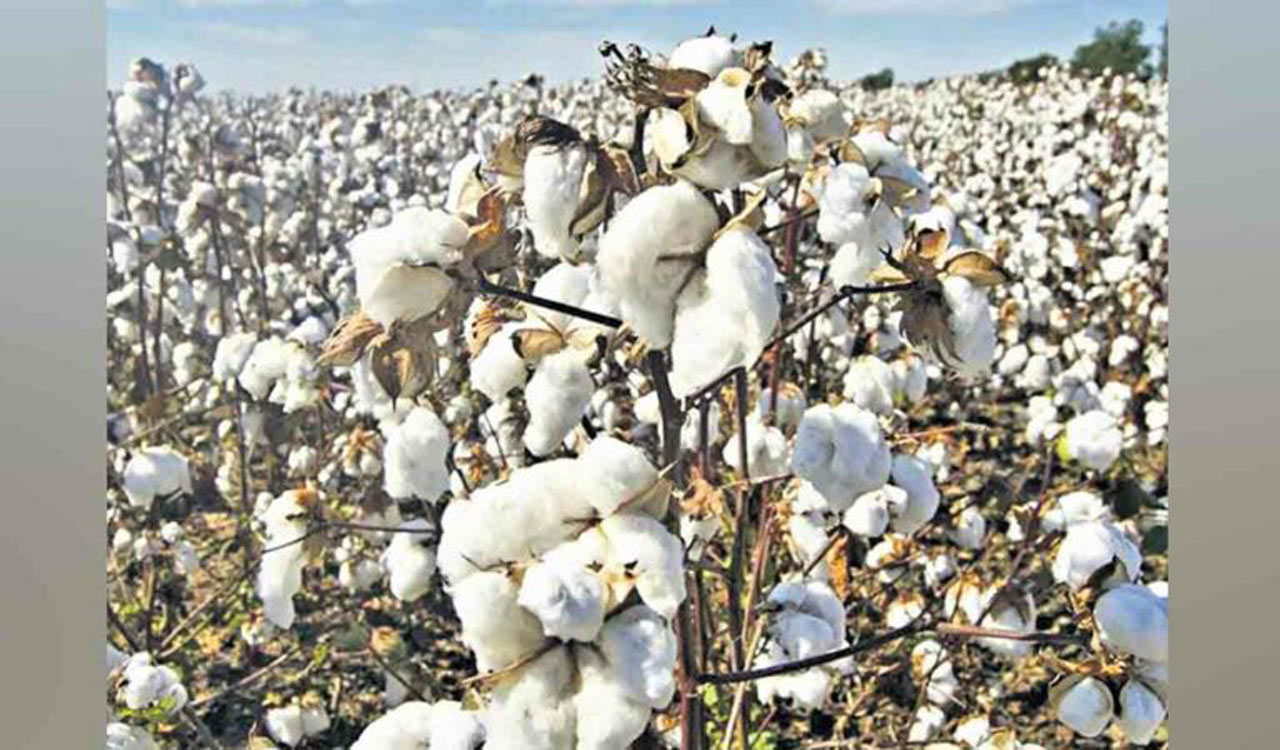
Introduction: The White Gold of Rayalaseema
Andhra Pradesh is a major player in India’s cotton production, consistently ranking among the top five cotton-producing states in the country. The state is particularly known for producing high-quality long-staple and extra-long-staple cotton, which is in high demand in the domestic and international textile industries.
1. Importance and Ranking
National Standing: Andhra Pradesh is a significant contributor to India’s cotton basket. India is the largest cotton producer in the world, and Andhra’s output is crucial to that status.
“White Gold”: Cotton is a key cash crop for the state’s economy, especially in the drier regions, earning it the nickname “White Gold.”
2. Major Growing Regions (The Cotton Belt)
Cotton in Andhra Pradesh is predominantly a crop of the rain-fed and semi-arid regions, unlike the irrigated crops of the coastal delta.
Rayalaseema Region (The Heartland): This region is the epicenter of cotton cultivation in the state.
Anantapur: The undisputed top district in terms of area and production. It is often called the “Cotton District” of Andhra Pradesh.
Kurnool: Another major producer with extensive cotton fields.
Y.S.R. (Kadapa): Significant area under cotton cultivation.
Tirupati (Chittoor): Also contributes to the state’s output.
Coastal Andhra Region:
Prakasam: This district is a notable bridge between the coastal and Rayalaseema zones and has substantial cotton cultivation.
Guntur: Has historical significance in cotton trading.
3. Agro-Climatic Conditions and Varieties
Climate: Cotton requires a warm climate with ample sunshine and a fairly long frost-free period. The hot and dry climate of Rayalaseema is well-suited for it.
Soil: It grows best in black cotton soils (Regur) which have a high moisture-retention capacity. The red loamy soils found in parts of the region are also suitable.
Rainfall: It is largely grown as a Kharif crop (monsoon season), but the fact that it is relatively drought-tolerant makes it ideal for the low and erratic rainfall areas of Rayalaseema.
Popular Varieties:
BT Cotton: Over 95% of the cotton area in Andhra Pradesh, like in most of India, is under genetically modified Bt Cotton hybrids, which are resistant to the American Bollworm pest.
Long Staple Cotton: The state is renowned for its premium long-staple (LS) and extra-long-staple (ELS) cotton varieties (like DCH-32, Suvin), which produce stronger and finer yarns used in high-quality textiles.
4. The Cotton Cultivation Cycle
Sowing (June – August): Sowing begins with the onset of the monsoon (Kharif season).
Growing Period (September – November): The crop goes through vegetative growth, flowering, and boll formation. This period is critical and requires careful pest management.
Harvesting (December – March): Harvesting is a prolonged process. Cotton bolls open at different times, leading to multiple pickings, typically 2-3 rounds, which is highly labor-intensive.
Ginning: After harvesting, the seed cotton (kapas) is taken to ginning mills where the lint (fibre) is separated from the seed.
5. Economic and Industrial Importance
Farmer Livelihood: Cotton is the primary cash crop for millions of farmers in the Rayalaseema region, directly impacting their economic well-being.
Textile Industry: The high-quality lint from Andhra Pradesh is a prized raw material for spinning mills across India, especially for producing finer count yarns.
Ginning and Oil Mills: A large number of ginning mills are located in the cotton belt. The cottonseed is a valuable by-product, crushed to produce cottonseed oil (used for cooking) and cottonseed cake (used as cattle feed).
Employment: The sector generates massive employment in farming, harvesting, transportation, ginning, and trading.
6. Major Challenges
Cotton cultivation in Andhra Pradesh is fraught with risks and challenges:
Pest Infestations: Despite Bt cotton, farmers face severe threats from other pests like Pink Bollworm (which has developed resistance in some areas), Whitefly, Aphids, and Thrips. This leads to high pesticide costs.
Erratic Monsoon & Drought: Being predominantly rain-fed, the crop is highly vulnerable to delayed monsoons, long dry spells, and outright drought, which are common in Rayalaseema.
Price Fluctuations: Farmers often face volatile market prices. A bumper crop can lead to a price crash, while a crop failure leads to financial distress.
High Cost of Cultivation: The costs associated with hybrid seeds, pesticides, fertilizers, and labor are continuously rising, squeezing farmers’ profits.
Water Scarcity: The over-reliance on groundwater for protective irrigation in many areas is leading to rapidly depleting water tables.
Market Linkages: Dependence on local traders and middlemen sometimes prevents farmers from getting a fair price.
Government Initiatives and the Future
Cotton Corporation of India (CCI): The CCI steps in to procure cotton from farmers at the Minimum Support Price (MSP) when market prices fall below it, providing a safety net.
Promotion of Better Practices: The government and agricultural universities promote Integrated Pest Management (IPM) to reduce pesticide use and sustainable water management practices.
Focus on ELS Cotton: There is a push to encourage the cultivation of premium Extra-Long Staple cotton varieties, which fetch a much higher price in the market, thereby improving farmer incomes.
Conclusion
Cotton is more than just a crop in the arid districts of Andhra Pradesh; it is a lifeline. While it has empowered the region economically and established the state as a source of premium quality cotton, the path forward requires addressing critical challenges related to climate resilience, sustainable pest management, and ensuring economic viability for the farmers who grow this “white gold.”
