
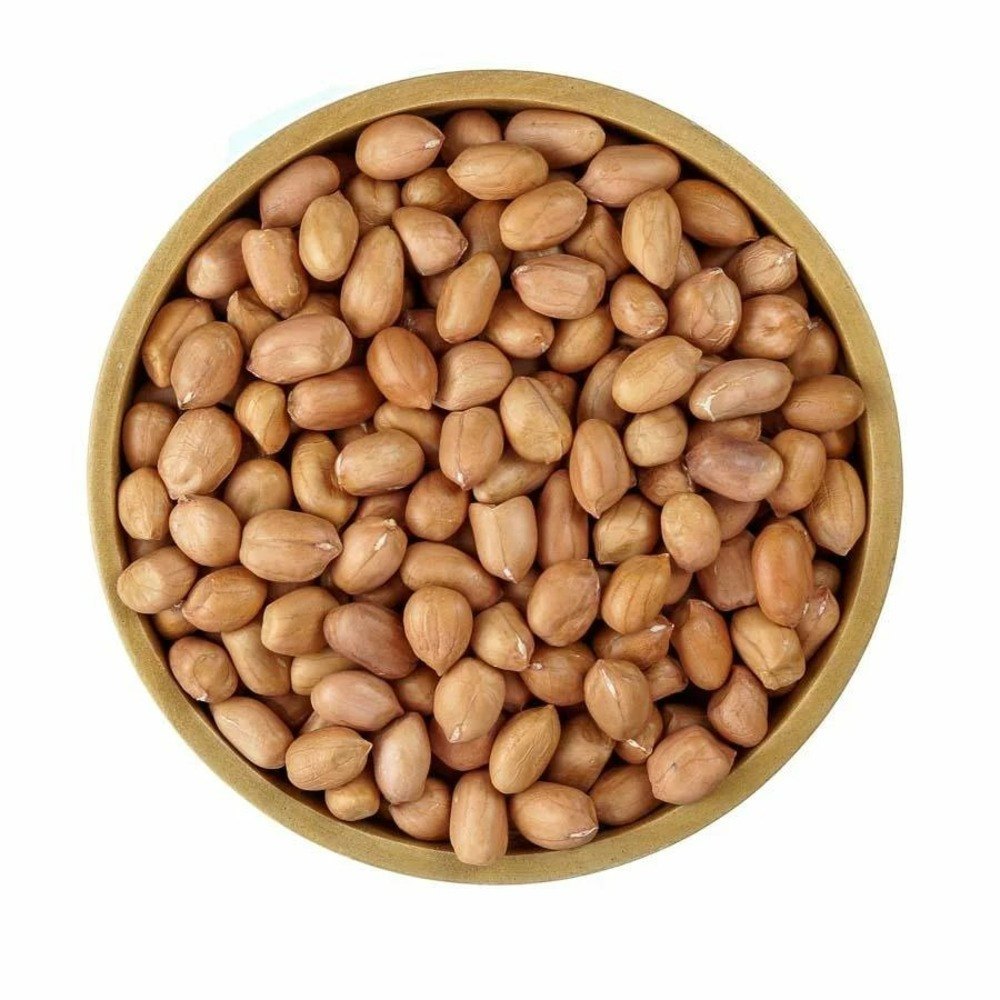
Introduction: The King of Oilseeds in Andhra Pradesh
Groundnut, commonly known as Peanut, is the premier oilseed crop of Andhra Pradesh. The state is not just a leading producer in India but also a critical hub for its processing and trade. Often called the “Groundnut Bowl of India,” Andhra Pradesh’s economy and agriculture are deeply intertwined with this versatile crop.
1. Importance and Ranking
National Leader: Andhra Pradesh is consistently among the top three groundnut-producing states in India, fiercely competing with Gujarat and Rajasthan for the number one position.
Economic Backbone: It is the most important cash crop for millions of farmers in the state’s rain-fed regions, directly impacting rural livelihoods.
Dual-Purpose Crop: It is unique as it serves as a major source of edible oil (about 50% of the seed is oil) and a high-protein food (as nuts, paste, and in confectionery).
2. Major Growing Regions (The Groundnut Bowl)
Groundnut cultivation is the defining feature of agriculture in the Rayalaseema region, with one district standing out above all others.
Anantapur District: The undisputed “Groundnut Capital of India.” This single district contributes a massive portion of the state’s total production, with vast expanses of its landscape dedicated to groundnut farms.
Kurnool District: Another major producer and a key market hub.
Y.S.R. (Kadapa) District: A significant contributor to the state’s output.
Prakasam District: Bridges the groundnut cultivation between Rayalaseema and coastal areas.
Other Districts: Grown in parts of Chittoor, Nellore, and Guntur.
3. Agro-Climatic Conditions and Varieties
Climate: Groundnut is a warm-season crop that is highly drought-tolerant. It requires a long, warm frost-free period (about 120-140 days) and plenty of sunshine.
Soil: It thrives best in well-drained, sandy loam and loamy soils. Good drainage is critical, as waterlogging is detrimental to the developing pods.
Rainfall: It is predominantly a rain-fed (Kharif) crop, requiring an annual rainfall of 500-700 mm. The semi-arid climate of Rayalaseema is perfectly suited for it.
Cropping Seasons:
Kharif (June-July to Oct-Nov): The main season, entirely dependent on the Southwest Monsoon.
Rabi (Post-monsoon, Oct-Nov to Feb-Mar): Grown under irrigation or on residual soil moisture in some areas.
Popular Varieties:
Bunch Varieties: These are more common in Andhra Pradesh due to their shorter duration and suitability for mechanical harvesting. Examples include Kadiri-6 (K-6), Kadiri-9 (K-9), Narayani, and ICGV 91114 (a drought-tolerant variety).
Spreading/Semi-Spreading Varieties: Also grown in some regions.
4. The Unique Cultivation Cycle
Groundnut is fascinating because its fruit (the pod) develops underground.
Sowing: Seeds are sown with the onset of the monsoon.
Flowering and “Pegging”: After flowering, a unique stalk called a “peg” grows from the flower. This peg elongates and bends downwards, pushing the fertilized ovary into the soil.
Pod Development: The peanut pod develops and matures underground over the next couple of months.
Harvesting: Harvesting is a two-step process:
Lifting: The entire plant is lifted from the soil using a blade harrow or manually.
Stripping: The pods are separated (stripped) from the plant. This is a highly labor-intensive process, though mechanical strippers are becoming more common.
Drying: The harvested pods are dried to reduce moisture content for safe storage.
5. Economic and Industrial Importance
The groundnut economy in Andhra Pradesh is vast and multi-layered:
Edible Oil: The primary product. Groundnut oil is a preferred cooking medium due to its high smoke point and characteristic nutty flavor.
Direct Consumption: Sold as raw nuts, roasted and salted peanuts, and as a key ingredient in chikkis, snacks, and peanut butter.
Export: India is a major exporter of groundnuts, and the high-quality produce from Andhra Pradesh, especially the Bold varieties from Anantapur, is in high demand in international markets.
By-Products:
Oil Cake: The residue after oil extraction is a protein-rich animal feed.
Haulms (Vines): The dried plants are highly nutritious fodder for cattle, especially valued during dry seasons.
Processing Industry: The state has a large number of oil mills, decorticating units (for shelling), and processing plants for confectionery-grade nuts.
6. Major Challenges
Groundnut farmers in Andhra Pradesh face several formidable challenges:
Erratic Monsoon: The crop’s heavy dependence on the monsoon makes it highly vulnerable to dry spells (drought) or unseasonal rains during harvesting, which can spoil the crop.
Pest Infestations:
Leaf Miner: Larvae mine into leaves, reducing photosynthesis.
Tobacco Caterpillar (Spodoptera): Defoliates the plant.
Termites and White Grubs: Attack the roots and pods underground.
Diseases:
Tikka Leaf Spot (Early and Late): The most widespread and destructive fungal disease, causing severe defoliation.
Collar Rot: Affects seedlings.
Aflatoxin Contamination: A major quality issue caused by a fungus (Aspergillus flavus) if the crop is not dried and stored properly. This can lead to the rejection of export consignments.
Price Volatility: Farmers often suffer from price fluctuations and lack of adequate procurement at the Minimum Support Price (MSP).
Government Initiatives and The Way Forward
Integrated Pest Management (IPM): Promotion of IPM to control Tikka leaf spot and other pests sustainably.
Drought-Tolerant Varieties: Research and dissemination of drought-tolerant and disease-resistant varieties (like ICGV 91114) are crucial for stability.
Mechanization: Promoting the use of groundnut harvesters (for lifting) and strippers to reduce labor costs and drudgery.
Aflatoxin Management: Creating awareness and infrastructure for proper drying and storage to minimize aflatoxin contamination.
Conclusion
Groundnut is more than a crop in the Rayalaseema region of Andhra Pradesh; it is a lifeline. It has shaped the economy, culture, and landscape of districts like Anantapur. While the challenges of climate, pests, and markets are significant, the crop’s inherent drought tolerance and high economic value ensure its continued dominance. The future of groundnut in the state depends on building climate resilience, ensuring price stability, and adopting modern technologies to safeguard the interests of the millions of farmers for whom it is the “king” of their fields.
