
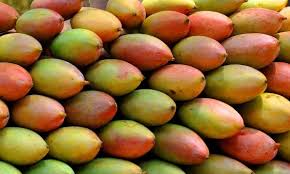
Introduction: The King of Fruits in Andhra Pradesh
The mango, celebrated as the “King of Fruits,” holds a place of pride in Andhra Pradesh’s agriculture, culture, and economy. The state is one of the largest mango-producing regions in India, renowned for its unique, sweet, and flavorful varieties that are exported worldwide.
1. Importance and Ranking
Top Producer: Andhra Pradesh is consistently among the top three mango-producing states in India, competing with Uttar Pradesh and Maharashtra for the number one position.
Economic Powerhouse: Mango orchards are a major source of income for thousands of farmers and form the backbone of the state’s horticultural economy.
Export Champion: Andhra Pradesh is a leading exporter of fresh mangoes, with its premium varieties being highly sought after in the USA, Europe, and the Middle East.
2. Major Growing Regions (The Mango Belt)
Mango cultivation is widespread, but certain districts are famous for their superior quality and specific varieties.
Krishna District: The heartland of the world-famous Banganapalli (Banganapalle / Benishan) mango. It is the undisputed leader in area and production.
East Godavari & West Godavari Districts: Major producers of Banganapalli and other commercial varieties.
Chittoor District: Known for diverse varieties, including Totapuri (used extensively for pulp), Alphonso, and Neelam.
Vizianagaram & Visakhapatnam Districts: Significant cultivation, particularly in the agency areas.
3. Agro-Climatic Conditions and Famous Varieties
Climate: Mango is a tropical fruit tree that thrives in a hot, dry climate. It requires hot weather during flowering and fruit setting, and plenty of sunshine for fruit development and sweetness. It is sensitive to frost, fog, and high humidity during flowering.
Soil: It can grow in a wide range of soils but performs best in well-drained, deep, sandy loam to loamy soils. Good drainage is crucial.
Popular Varieties: Andhra Pradesh boasts an incredible diversity of mangoes.
Banganapalli: The flagship variety of the state. It is a large, oblong-shaped mango with a thin, bright yellow skin, non-fibrous, sweet, and aromatic pulp, and very few fibers. It is primarily an eating mango.
Totapuri (Ginimoothi / Killi Mooku): Easily identified by its distinctive beak-like tip. It is the main variety used by the processing industry for pulp, juice, slices, and concentrates due to its high pulp content and deep color.
Alphonso (Badami / Khader): Grown in parts of Rayalaseema, known for its rich flavor, saffron-colored pulp, and minimal fiber.
Suvarnarekha: Known for its beautiful skin with a red blush and excellent taste.
Neelam & Chinna Rasam: Popular for their intense aroma and flavor.
4. The Cultivation Cycle and Orchard Management
Mango is a perennial tree with a long lifecycle, requiring patience and skill.
Planting: Grafted plants are used to ensure true-to-type quality and early fruiting. Planting is usually done at the onset of the monsoon.
Bearing: A grafted mango tree starts bearing fruit in about 4-5 years and reaches full bearing capacity in 10-15 years. A mature tree can produce fruit for over 40 years.
Flowering (Dec – Feb): Flowering is a critical period. It is influenced by climatic conditions. A sudden spike in temperature or rain can adversely affect the flower and fruit set.
Fruit Development (Mar – May): The fruits develop over the hot summer months.
Harvesting (Apr – July): The harvesting season spans from April to July, depending on the variety and region. Harvesting is done manually, often using long poles with a cutting tool and a collection bag at the end.
5. Economic and Cultural Importance
Fresh Fruit Market: The primary market. Banganapalli and other varieties are supplied to high-end markets across India and the world.
Processing Industry: Totapuri mango is the backbone of the pulp industry. Andhra Pradesh hosts numerous large-scale fruit processing units that convert mangoes into pulp, juice, jams, and canned slices.
Export Earnings: Mangoes are a major foreign exchange earner. The Banganapalli mango has a dedicated international fan base.
“Mango Melas”: The state hosts vibrant mango festivals where farmers showcase and sell dozens of local and hybrid varieties, celebrating the fruit’s diversity.
Cultural Staple: Mango is deeply embedded in the culture, from being eaten raw with salt and chili to being used in traditional pickles (aavakaaya), chutneys, and desserts.
6. Major Challenges
Mango cultivation faces several significant threats:
Pest Infestations:
Mango Hopper: The most serious pest. It sucks sap from flowers and tender shoots, causing flower drop and sooty mold.
Fruit Fly: A major threat to fruit quality. The larvae infest the fruit, making it unmarketable.
Stem Borer and Stone Weevil: Can cause significant damage to the tree and fruit.
Diseases:
Anthracnose: A fungal disease that causes black spots on fruits and leaves, especially problematic during the rainy season.
Powdery Mildew: A fungal disease that coats flowers and young fruits in a white powder, leading to fruit drop.
Erratic Weather: Climate change is causing unseasonal rains and heatwaves, which disrupt the delicate flowering and fruit-setting process.
Price Volatility: A bumper crop can lead to a price crash, while a poor crop due to weather or pests can lead to huge losses.
Post-Harvest Losses: The fruit is highly perishable and requires careful handling, packaging, and cold chain management to prevent spoilage.
Government Initiatives and The Way Forward
Integrated Pest Management (IPM): Promoting the use of pheromone traps for fruit flies, bio-pesticides, and need-based spraying to control hoppers.
Good Agricultural Practices (GAP): Training farmers on proper orchard management, pruning, and nutrition to improve yield and quality.
Post-Harvest Management: Promoting packhouses, pre-cooling units, and reefer vans to maintain fruit quality for export and distant domestic markets.
Geographical Indication (GI) Tag: The Banganapalli mango has a GI tag, which helps protect its identity and brand value in the international market.
Conclusion
The mango is more than a fruit in Andhra Pradesh; it is a cultural icon and an economic pillar. From the regal Banganapalli to the industrious Totapuri, the state’s mangoes represent a perfect blend of nature’s bounty and human ingenuity. While challenges from pests, diseases, and climate are real, the future of the “King of Fruits” in Andhra Pradesh lies in adopting scientific orchard management, strengthening the export supply chain, and protecting the unique identity of its premier varieties to ensure that its mangoes continue to reign supreme in markets around the world.
