
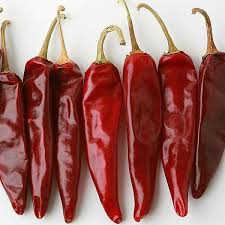
Introduction: The Iconic Spice of Andhra Pradesh
Guntur Sannam Chilli (S4) is not just a agricultural product; it is an icon. Hailing from the Guntur district of Andhra Pradesh, it is one of the most famous and widely recognized chilli varieties in India and across the globe. Known for its pungent heat, rich aroma, and vibrant red color, it is the backbone of many Indian curries and a major export commodity.
1. Importance and Ranking: A Legacy of Heat
Geographical Indication (GI) Tag: The Guntur Sannam Chilli has been awarded the Geographical Indication (GI) tag, legally recognizing it as a unique product originating from a specific geographical location (the Guntur region) and possessing qualities due to that origin.
Commercial Staple: It is one of the most commercially significant chilli varieties in India, forming a massive part of the chilli trade that flows through the Guntur market.
Versatile Use: It is a versatile chilli used for its medium-high heat, brilliant color, and flavor, making it suitable for a wide range of culinary applications.
2. The “Sannam Belt”: Primary Growing Regions
While named after Guntur, its cultivation has spread to neighboring districts with similar agro-climatic conditions.
Guntur District: The heartland and origin of the Sannam S4 variety. The soil and climate here are considered ideal for developing its characteristic pungency and color.
Prakasam District: A major producer, contributing a massive share to the total output.
Parts of Kurnool and Krishna Districts: Also cultivate this variety extensively.
3. Characteristics: The Identity of Sannam S4
Appearance:
Fruit: Long, slender, and heavily wrinkled. It is smaller and more wrinkled than the Teja variety.
Color: When dried, it has a bright, glossy red color that is highly sought after for its visual appeal in food.
Pungency (Heat Level):
Scoville Heat Units (SHU): Ranges between 35,000 to 45,000 SHU. This places it in the medium-high heat category. It is significantly hotter than a Jalapeño but less intense than the Teja chilli.
Capsaicin Content: Ranges from 0.2% to 0.4%.
Aroma and Flavor: It has a strong, classic chilli aroma and a sharp, biting heat that is fundamental to the flavor profile of many Andhra and South Indian dishes.
4. Agro-Climatic Conditions and Cultivation
Climate: Requires a warm, humid climate for growth and a dry, sunny period for ripening and drying. It is highly sensitive to frost.
Soil: Thrives best in well-drained black cotton soils and sandy loams, which are abundant in the Guntur region.
Season: It is predominantly a Rabi crop.
Nursery Sowing: August – September
Transplantation: September – October
Harvesting: January – March
Irrigation: Initially requires regular irrigation, but water is withheld as the fruits mature to concentrate the pungency.
5. Economic and Culinary Importance
Guntur Sannam is a workhorse of the Indian spice industry:
Chilli Powder: It is the primary ingredient in most standard Indian red chilli powder. Its balanced heat and good color make it perfect for everyday cooking.
Blending: Often blended with other chilli varieties (like the less pungent Byadgi for color) to create custom spice mixes for different regional cuisines and food processing industries.
Whole Dry Chilli: Used extensively in tempering (tadka), pickles, and curries across India.
Export: Huge quantities are exported to countries in Asia, the Middle East, Europe, and North America, both in whole form and as powder.
Oleoresin Extraction: Also used for extracting oleoresin, though to a lesser extent than the hotter Teja chilli.
6. Major Challenges
The cultivation of Guntur Sannam faces the same formidable challenges as other premium chillies:
Pest Infestations:
Thrips and Mites: Sap-sucking pests that cause leaf curl and stunting.
Fruit Borer: Larvae bore into the fruit, rendering it unmarketable.
Diseases:
Leaf Curl Virus: Transmitted by whiteflies, this is a catastrophic disease that can wipe out entire fields.
Die-Back and Anthracnose: Fungal diseases that cause fruit rot and stem damage.
Price Volatility: Farmers are often at the mercy of traders and fluctuating market prices. A bumper crop can lead to a price crash.
High Input Costs: The cost of hybrid seeds, pesticides, and fertilizers is substantial.
Climate Vulnerability: Unseasonal rains during the harvesting period can cause the chillies to turn black and spoil, leading to massive financial losses.
7. Guntur Sannam vs. Other Andhra Chillies
It’s essential to distinguish it from its famous regional counterparts:
Guntur Sannam (S4): Known for MEDIUM-HIGH HEAT and good red color. The all-rounder used for daily cooking and powder.
Teja Chilli (S17): Known for VERY HIGH HEAT. Primarily used for oleoresin extraction and where intense pungency is required.
Byadgi Chilli: (From Karnataka). Known for LOW HEAT but DEEP RED COLOR. Used primarily for color in food processing, often mixed with Sannam.
Government Initiatives and The Way Forward
GI Tag Protection: The GI tag helps protect the identity and quality of the genuine Guntur Sannam chilli and can be leveraged for brand building.
Integrated Pest Management (IPM): Promoting sustainable practices like using yellow sticky traps, bio-pesticides, and resistant varieties to reduce crop loss.
Improved Market Access: Strengthening Farmer Producer Organizations (FPOs) to empower farmers and help them get a fair price.
Processing and Value Addition: Encouraging the establishment of local processing units for making high-quality powder and other products to increase value capture within the region.
Conclusion
The Guntur Sannam Chilli is more than a spice; it is a cultural and economic institution. It has put the Guntur region on the global map and continues to be the fiery soul of countless Indian kitchens. While its cultivation is a battle against nature and market forces, its enduring demand ensures its legacy. The future of this iconic chilli depends on sustainable farming, protecting its unique identity, and ensuring that the farmers who grow this “red gold” receive their rightful share of the prosperity it generates.
