
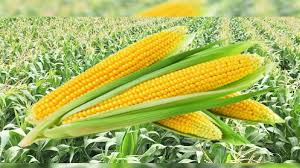
Introduction: The Corn Capital of the East
Maize, commonly known as Corn, has emerged as a superstar crop in Bihar. The state has dramatically transformed into one of the largest and most efficient maize producers in India, often referred to as the “Maize Bowl” of the country. Its high profitability and suitability to the region’s climate have made it a preferred choice for farmers, especially in the Rabi season.
1. Importance and Ranking
National Leader: Bihar is consistently among the top three maize-producing states in India, fiercely competing with Karnataka and Madhya Pradesh for the number one position.
Rabi Revolution: While maize is grown in both Kharif and Rabi seasons, Bihar’s claim to fame is its Rabi (winter) maize, which accounts for the bulk of its production and is renowned for its high quality and yield.
Economic Transformation: It has become a primary cash crop, significantly boosting rural incomes and driving the agrarian economy in specific regions.
2. Major Growing Regions (The Maize Belt)
Maize cultivation is heavily concentrated in the districts that form the core of the “Maize Belt.”
Khagaria District: The undisputed “Maize Capital” of Bihar. It is the epicenter of production and trade.
Katihar District: A massive producer and a key hub for the maize processing industry.
Purnea District: Another major contributor to the state’s output.
Bhagalpur District: Significant cultivation and market activity.
Other Districts: Saharsa, Supaul, Madhepura, and Begusarai are also important producers.
3. Agro-Climatic Conditions and Varieties
Climate: Maize is a warm-season crop but the Rabi season in Bihar provides an ideal window with moderate temperatures and low pest pressure.
Ideal Temperature: 21°C – 27°C
Soil: It grows best in well-drained, fertile loamy soils. The alluvial soils of the Kosi and Ganga basins are perfectly suited.
Seasons:
Kharif Maize: Sown with the monsoon (June-July). This is riskier due to pests and diseases.
Rabi Maize (The Main Season): Sown from October to November and harvested from February to March. This season yields higher due to favorable weather and is the backbone of Bihar’s maize economy.
Popular Varieties:
Hybrids are the Norm: Over 95% of the area is under high-yielding single-cross hybrid seeds.
Companies: Farmers use hybrids from leading national and multinational companies (e.g., Pioneer, DowDuPont, Syngenta) known for high yield and standability.
Specific Hybrids: Pioneer 30V92, Palam Sankar Makka-1, DKC 9141 are among the popular choices.
4. The Cultivation Cycle
Sowing: Done using seed drills for precision and better plant population.
Growing Period: The Rabi crop has a duration of 90-100 days. It requires careful management of irrigation and nutrients.
Harvesting: Harvesting is done when the cob sheath turns brown and the grains are hard. Mechanized harvesting with combine harvesters is rapidly becoming the norm, especially in the large farms of Khagaria and Katihar.
Post-Harvest: The harvested cobs are dried and then shelled to separate the grains. The grains are cleaned, graded, and packed for sale.
5. Economic and Industrial Importance
The economic drivers for maize in Bihar are powerful and diverse:
Poultry Feed Industry: This is the single biggest driver. India’s booming poultry sector relies on maize as the primary ingredient (60-65%) in feed. The high-quality Rabi maize from Bihar is in massive demand by feed manufacturers across the country.
Starch Industry: Maize is a key raw material for the production of corn starch, which is used in food, textiles, pharmaceuticals, and paper industries. Several processing units are located in the maize belt.
Fodder: The green stover (leaves and stalks) is an excellent and nutritious fodder for cattle.
Human Consumption: Used for making corn flour, popcorn, and traditional snacks.
Export: The produce is also supplied to neighboring countries like Bangladesh and Nepal.
6. Major Challenges
Despite its spectacular success, maize cultivation faces significant challenges:
Pest Infestations:
Fall Armyworm (FAW): This is a recent and highly destructive invasive pest that has become a major threat, capable of causing 100% crop loss if not managed.
Stem Borer: A traditional but serious pest.
Diseases:
Maydis Leaf Blight (MLB): A fungal disease that can severely affect yield.
Post-Flowering Stalk Rot: Can cause lodging (falling over) of the plant.
Price Volatility: While demand is high, prices can be volatile, influenced by national production, international prices, and poultry industry demand.
Post-Harvest Management: Inadequate storage facilities can lead to losses due to mold and pests, especially if farmers are forced to hold onto their produce awaiting better prices.
Government Initiatives and The Way Forward
Integrated Pest Management (IPM) for Fall Armyworm: The government and agricultural universities are actively promoting IPM strategies, including the use of bio-pesticides, pheromone traps, and recommended chemicals to combat the FAW threat.
Promotion of Mechanization: Encouraging the use of shellers and harvesters to reduce labor costs and post-harvest losses.
Market Intelligence: Helping farmers get better price realizations by providing market information and facilitating links with FPOs (Farmer Producer Organizations).
Seed Subsidies: Providing access to high-quality hybrid seeds at subsidized rates.
Conclusion
Maize in Bihar is a textbook success story of agricultural diversification and commercial focus. Its rise has been fueled by the powerful poultry and starch industries, making it a highly profitable and reliable crop for farmers in the state’s eastern belt. While the threat from pests like the Fall Armyworm is serious, the combination of high-yielding hybrids, strong market demand, and proactive research positions maize to remain a key driver of the state’s agrarian economy. Its continued success is vital for the prosperity of farmers and the health of allied industries.
