
Introduction: The Protein Pulse of Bihar
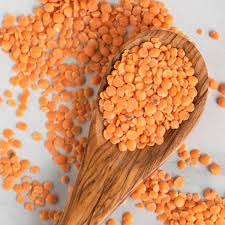
Lentil, known locally as Masoor, is one of the most important Rabi (winter) season pulse crops in Bihar. It is a primary source of affordable, plant-based protein for the state’s largely vegetarian population and plays a critical role in sustaining soil health. Bihar is one of the leading lentil-producing states in India.
1. Importance and Ranking
National Leader: Bihar is consistently among the top three lentil-producing states in India, alongside Madhya Pradesh and Uttar Pradesh.
Dietary Staple: The split red lentil (Masoor Dal) is a fundamental ingredient in daily meals, used to make dal, a staple across all households.
Soil Health: As a leguminous crop, it fixes atmospheric nitrogen in the soil, reducing the need for chemical fertilizers and improving fertility for the subsequent crop. This makes it a crucial component of sustainable crop rotations.
2. Major Growing Regions
Lentil cultivation is widespread across Bihar’s Gangetic plains, thriving in the residual moisture and cool winter climate.
Bhojpur District: A major hub for lentil cultivation.
Rohtas District: Another significant producer, known for its agricultural output.
Aurangabad District: A key contributor to the state’s production.
Gaya District: Has substantial area under lentil.
Other Districts: Nawada, Jehanabad, Patna, Buxar, and Saran are also important lentil-growing regions.
3. Agro-Climatic Conditions and Varieties
Climate: Lentil is a cool-season crop that thrives in a cold, dry climate. It requires a frost-free period for optimal growth.
Ideal Temperature: 18°C – 25°C
It is sensitive to heat stress during the pod-filling stage and cannot tolerate waterlogging.
Soil: It performs best in well-drained, sandy loam to loamy soils. Heavier soils can lead to waterlogging and root diseases.
Water: It is highly valued for its low water requirement compared to other Rabi crops like wheat, making it ideal for rain-fed or limited irrigation areas.
Cropping Systems: It is perfectly suited for rotating with other crops. The most common cycle is Rice (Kharif) – Lentil (Rabi).
Popular Varieties:
Small-Seeded Varieties: These are more common in Bihar.
PL (Pusa) Series: PL 406, PL 8, Pusa Vaibhav are high-yielding, disease-resistant varieties.
HUL (Haryana Urd & Lentil) Series: HUL 57
KLS (Kulthi Lentil Series): KLS 218
Bold-Seeded Varieties: Grown to a lesser extent.
4. The Cultivation Cycle
Sowing (Oct – Nov): Sowing is done after the Kharif rice harvest, typically by broadcasting or using a seed drill. Timely sowing is crucial to avoid heat stress during pod formation.
Growing Period (Nov – Jan): The crop germinates and grows during the cool winter months, utilizing residual soil moisture.
Harvesting (Feb – Mar): The crop is ready for harvest when the pods turn yellow-brown and the seeds inside harden. The plants are either uprooted or cut close to the ground.
Threshing & Winnowing: The harvested plants are dried and then threshed to separate the grains from the pods. This is often done by beating the bundles or using mechanical threshers.
5. Economic and Nutritional Importance
Nutritional Security: Lentils are a powerhouse of protein, fiber, iron, and folate, making them crucial for combating malnutrition.
Income for Farmers: For farmers, especially in rain-fed areas, lentil is a crucial cash crop that provides a primary source of income during the Rabi season.
Minimum Support Price (MSP): The government announces an MSP for lentils to protect farmers from price crashes.
Affordable Protein: Masoor Dal is one of the most affordable sources of protein, making it a key food security crop for low-income families.
6. Major Challenges
Despite its hardiness, lentil cultivation faces several challenges:
Pest Infestations:
Pod Borer (Helicoverpa armigera): The most destructive pest, feeding directly on the seeds inside the pods.
Aphids & Jassids: Sap-sucking insects that can stunt growth.
Diseases:
Wilt: A soil-borne fungal disease that causes wilting and death of plants.
Stemphylium Blight: A major fungal disease that can cause significant yield loss, especially in humid conditions.
Rust: Another fungal disease that affects the leaves.
Erratic Weather: Unseasonal rains or hailstorms at the time of harvest can severely damage the standing crop and spoil the harvested grain.
Fluctuating Yields: Yields can be inconsistent from year to year due to the above biotic (pests/diseases) and abiotic (weather) stresses.
Government Initiatives and The Way Forward
National Food Security Mission (NFSM)-Pulses: This central government scheme promotes lentil cultivation by providing subsidies on high-yielding, disease-resistant seeds and critical inputs.
Integrated Pest Management (IPM): Promotion of IPM practices, including the use of bio-pesticides, pheromone traps, and neem-based insecticides, to control pests sustainably.
Improved Varieties: Agricultural research stations are continuously developing and disseminating improved varieties that are high-yielding, drought-tolerant, and resistant to major diseases like wilt and blight.
Procurement Operations: Agencies like NAFED conduct procurement operations at MSP to ensure farmers get a fair price.
Conclusion
Lentil (Masoor) is more than just a pulse in Bihar; it is a pillar of dryland agriculture and nutritional security. It provides a sustainable and economically viable option for farmers, ensuring both income and food security. While challenges from pests, diseases, and climate are formidable, the combination of improved varieties, scientific farming practices, and government support is key to stabilizing and increasing lentil production, ensuring Bihar retains its status as a pulse powerhouse of India.
