
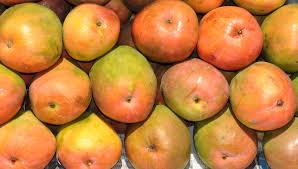
Here is a comprehensive overview of the “Chandigarh Mango,” a term that, like the others, signifies high-quality fruit from the region rather than a single unique variety.
1. The Core Concept: What is “Chandigarh Mango”?
The term “Chandigarh Mango” refers to the premium mangoes that are sourced, sold, and enjoyed in the Chandigarh region during the summer season. While Chandigarh itself has limited large-scale orchards, it is a major consumption and distribution hub for some of the finest mangoes grown in the surrounding states of Punjab, Haryana, and Himachal Pradesh.
Its reputation is built on:
Access to Prime Growing Regions: Proximity to famous mango belts.
Quality of Fruit: The mangoes available in Chandigarh’s markets are often the best grades of well-known varieties.
Freshness: Short supply chains from nearby orchards ensure the mangoes are tree-ripened and sold at their peak.
2. The True Source: The Mango Belt of North India
The mangoes you find in Chandigarh primarily come from:
Punjab: Districts like Fazilka, Sri Muktsar Sahib, and Bathinda have emerged as significant mango-growing areas.
Haryana: Districts such as Yamunanagar and Karnal are known for their orchards.
Himachal Pradesh: The lower, warmer regions of Himachal also contribute to the supply.
Further Afield (but highly sought-after): The famous ‘Langra’ and ‘Chausa’ from Uttar Pradesh and Bihar are also brought in large quantities to cater to the diverse population of Chandigarh.
3. Primary Varieties Available as “Chandigarh Mango”
The “Chandigarh Mango” is not one type, but a seasonal parade of varieties. The most popular ones include:
1. Langra
Season: Mid-June to August.
Characteristics: Greenish skin even when ripe, fiberless, pulpy, and distinctively aromatic with a tangy-sweet flavor. It’s a classic North Indian favorite.
2. Chausa
Season: Late July to August (the last of the major summer varieties).
Characteristics: Known for its thin, light yellow skin, exceptionally sweet and juicy pulp, and a unique melting texture. It is famously late-season and much-awaited.
3. Dussehri
Season: June to July.
Characteristics: An elongated, medium-sized mango with greenish-yellow skin. The pulp is fiberless, sweet, and has a distinctive aroma.
4. Sindoori / Malda
Season: One of the early varieties, available from late May.
Characteristics: Recognizable by its bright red blush on the skin. It has a sweet and slightly tangy flavor and is often the first “good” mango to hit the markets.
4. Key Features of the Chandigarh Mango Experience
Quality Grading: The mangoes sold in premium markets and by specialized vendors in Chandigarh are often rigorously graded. You can find “A-grade” or “Export quality” fruits that are blemish-free and of uniform size.
The “Mango Season” Culture: The arrival of mangoes is a celebrated event. Markets like Sector 26 Sabzi Mandi and numerous roadside vendors become vibrant with piles of different mango varieties.
Direct from Orchard: Many farms in the surrounding regions offer “pick-your-own” or direct sales, allowing residents to get the freshest possible fruit.
5. The Health Benefits of Mangoes
The mangoes available in Chandigarh share the renowned “King of Fruits” health profile:
Rich in Vitamins: An excellent source of Vitamins A, C, and E.
Digestive Health: Contains enzymes like amylases that aid in breaking down and digesting food.
Boosts Immunity: High Vitamin C content.
Antioxidants: Packed with polyphenols and other antioxidants that protect cells from damage.
6. How to Select and Enjoy
Selection:
Smell: A ripe mango will have a sweet, fragrant aroma at its stem end.
Feel: It should yield slightly to gentle pressure, like a ripe avocado.
Skin: Look for vibrant, unblemished skin, but remember color is variety-specific (e.g., Langra stays green).
Enjoying:
Fresh: The best way is to eat the pulp fresh.
Aamras: A traditional Punjabi and North Indian delight where pure mango pulp is eaten with puri.
Shakes & Lassi: Mango shakes and lassi are summer staples in every Chandigarh household and cafe.
Chutney & Pickle: Raw mangoes are used to make tangy chutneys and pickles (aachar).
Conclusion
The Chandigarh Mango represents access to the diverse and high-quality mango harvest of North India. It is a seasonal luxury that defines the summer for the city’s residents. While Chandigarh may not be a traditional mango-growing city like Malihabad, its status as a regional capital ensures that its markets are filled with the best Langra, Chausa, Dussehri, and other varieties, making it a premier destination for mango lovers every summer.
