
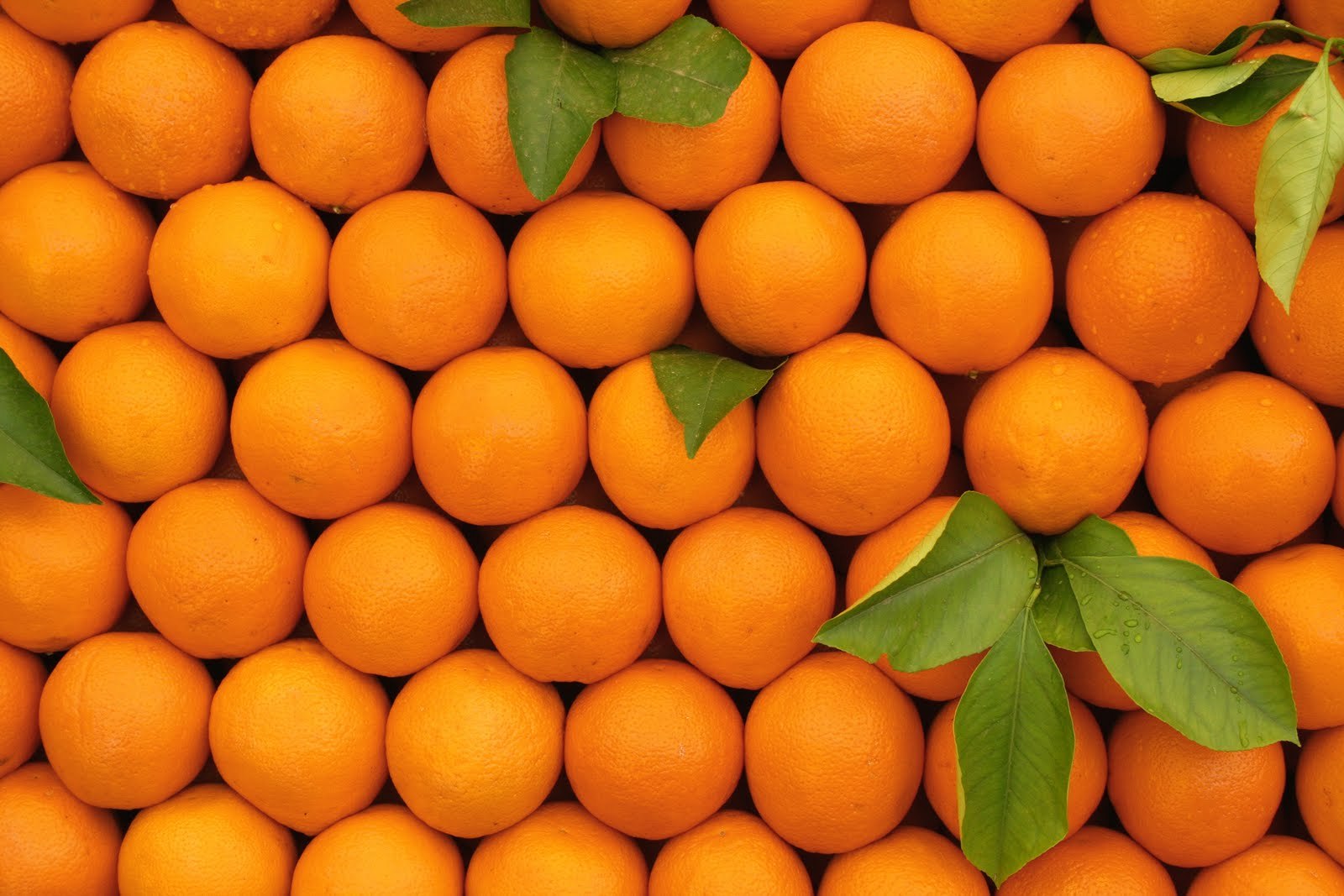
The “Chandigarh Kinnow” is arguably the most legitimate and well-known of all the “Chandigarh fruits” because it is the heart of India’s premier Kinnow-growing region. Unlike the others, this is not just about urban quality, but about being the epicenter of large-scale commercial cultivation.
Here is a complete overview of the Chandigarh Kinnow.
1. The Core Concept: What is “Chandigarh Kinnow”?
The term “Chandigarh Kinnow” refers to the high-quality Kinnow mandarins cultivated in the vast orchards of the entire region surrounding Chandigarh, primarily in the districts of Punjab (like Hoshiarpur, Abohar, Fazilka, Bathinda) and parts of Haryana. Chandigarh acts as the administrative, cultural, and marketing hub for this major agricultural product.
Kinnow itself is a hybrid citrus fruit, a cross between the ‘King’ orange and the ‘Willow Leaf’ mandarin.
It was introduced in India in the 1950s, and the region around Chandigarh proved to be the perfect agro-climatic fit.
2. Why the Chandigarh Region is Synonymous with Kinnow
This is the key reason for its fame:
Ideal “Kinnow Belt”: The climate of the Punjab-Haryana plain, with its hot summers, distinct cold winters, and low humidity, is perfect for Kinnow cultivation. The cold winter is crucial for developing the fruit’s signature deep orange colour and perfect sugar-to-acid balance.
Major Contributor to Indian Economy: Punjab alone accounts for over 70-80% of India’s total Kinnow production. This makes the Chandigarh region the undisputed capital of Kinnow in India.
Research and Development: The Punjab Agricultural University (PAU) in Ludhiana, which serves this region, has been instrumental in developing improved cultivation practices, pest management techniques, and post-harvest technologies for Kinnow.
3. Key Characteristics of Chandigarh Kinnow
Appearance: Deep orange, glossy, and slightly rugged skin. It is loose-fitting, making it very easy to peel.
Taste: The flavor is a robust, tangy-sweet balance. It is juicier and more flavorful than many other common mandarins.
Seed Content: Traditionally, Kinnows are seedy (containing 10-25 seeds). However, new seedless or low-seed varieties are being promoted by PAU.
Juice Content: Exceptionally high, making it the preferred fruit for juice extraction in India.
Season: The peak season is from December to March, making it a quintessential winter fruit.
4. Primary Varieties and Classifications
While “Kinnow” is the main cultivar, quality grading is very important:
Traditional Kinnow: The widely grown, seedy but highly flavorful variety.
Improved Selections:
PAU Kinnow-1: A registered selection from PAU known for its larger fruit size, higher juice content, and better yield.
Seedless Kinnow (W. Murcott): Farmers are increasingly grafting Kinnow onto a rootstock that produces seedless or near-seedless fruit, which has a higher market value.
The fruit is also rigorously graded based on size and skin quality for export and premium markets.
5. The Health Benefits of Kinnow
Chandigarh Kinnow is a nutritional powerhouse:
Extremely High in Vitamin C: Boosts immunity and fights winter colds.
Rich in Antioxidants: Contains flavonoids and carotenoids that fight inflammation.
Excellent for Digestion: A good source of dietary fiber.
Potassium & Folate: Supports heart health and cell repair.
Hydrating: High water content helps maintain fluid balance.
6. Economic and Cultural Impact
Export Star: Chandigarh Kinnow is a major export commodity, shipped to countries like Russia, the Philippines, Bangladesh, and the UK. The fruit is washed, waxed, and packed in state-of-the-art packhouses in the region.
“Kinnow Wealth”: The cultivation of Kinnow has been a significant economic driver for farmers in the region, often referred to as “Golden Fruit” or “Green Gold.”
Winter Ritual: For residents of Chandigarh and the surrounding states, the arrival of winter means an abundance of fresh, cheap, and delicious Kinnow. It is a staple in every household during its season.
7. How to Enjoy Chandigarh Kinnow
Fresh: The best way is to peel and eat the segments fresh.
Juice: It is the most popular fruit for making fresh juice at home and commercially due to its high yield.
Fruit Salads and Desserts: Its bold flavor stands out in salads and can be used in marmalades and sauces.
Conclusion
The Chandigarh Kinnow is not just a fruit; it is an agricultural identity. It represents the successful cultivation of a world-class citrus hybrid that has become the economic backbone for many farmers in the region surrounding Chandigarh. Its perfect blend of tangy and sweet flavor, incredible juiciness, and easy-to-peel nature make it a beloved winter icon and a true symbol of the region’s horticultural prowess. When you buy a “Chandigarh Kinnow,” you are buying the premier Kinnow that India has to offer.
all about chandigarh kinnow
Of course. Here is a detailed and comprehensive overview of the Chandigarh Kinnow, covering its origin, characteristics, economic importance, and why it’s considered a premier fruit.
1. What is Kinnow?
Kinnow is a hybrid citrus fruit, a cross between two citrus varieties: the ‘King’ mandarin and the ‘Willow Leaf’ mandarin. It is known for its:
Botanical Name: Citrus reticulata × Citrus sinensis
Common Names: Kinnow Mandarin, Punjab Kinnow.
Key Feature: It is a high-yielding, vigorous cultivar known for its rich, tangy-sweet flavor and exceptional juice content.
2. The “Chandigarh” Connection: The Epicenter of India’s Kinnow Belt
While Chandigarh itself is a city, the term “Chandigarh Kinnow” signifies that the fruit comes from the heartland of Kinnow cultivation in India—the states of Punjab, Haryana, and Himachal Pradesh—for which Chandigarh is the capital and major administrative hub.
Primary Growing Regions: The bulk of the Kinnows are grown in the southwestern districts of Punjab (Abohar, Fazilka, Hoshiarpur, Bathinda) and parts of Haryana.
Why This Region? The agro-climatic conditions are perfect:
Climate: Hot, dry summers and distinct, cold winters.
Soil: Well-drained, sandy loam soils.
Temperature Variation: The cold winter nights are crucial for the fruit to develop its characteristic deep orange color and perfect balance of sugars and acids.
3. Key Characteristics & Identification
Here’s how you can identify a high-quality Chandigarh Kinnow:
Feature Description
Skin Deep orange to tangerine-colored, slightly rough/textured, and loose-fitting, making it very easy to peel.
Shape & Size Round to slightly flat, medium-sized fruit.
Pulp & Segments The pulp is a vibrant orange, very juicy, and divided into 10-12 easily separable segments.
Taste A robust, rich, and aromatic flavor that is a perfect balance of tangy and sweet. It is less sweet but more flavorful than a Nagpur orange.
Seeds Traditionally, it is a seedy fruit (can have 10-25 seeds). However, new seedless and low-seed varieties are now being cultivated.
Juice Content Extremely high (often over 50%), making it the preferred choice for juice extraction in India.
4. Seasonality and Availability
Peak Season: December to March. This is when the fruit is at its juiciest and most flavorful.
Harvesting: The harvest typically begins in mid-December and can continue until April.
5. Why is Chandigarh Kinnow So Famous?
Economic Powerhouse: The Kinnow belt around Chandigarh accounts for over 70% of India’s total Kinnow production. It is a major source of income for thousands of farmers, often called “Golden Fruit” or “Green Gold.”
Export Champion: Chandigarh Kinnow is a major export commodity. It is washed, waxed, and packed in modern packhouses to meet international standards and is exported to countries like Russia, the Philippines, Bangladesh, the UK, and across the Middle East.
Research Backing: The Punjab Agricultural University (PAU), Ludhiana, has been instrumental in developing improved cultivation practices, pest management, and new varieties (like seedless Kinnow), ensuring consistent quality and yield.
Cultural Staple: For people in North India, the arrival of winter is synonymous with the abundance of fresh, affordable, and delicious Kinnow. It is a staple in every household during its season.
6. Health Benefits
Chandigarh Kinnow is a nutritional treasure trove:
Immunity Booster: Extremely high in Vitamin C, helping to fight winter colds and infections.
Rich in Antioxidants: Packed with flavonoids and carotenoids that fight inflammation and oxidative stress.
Aids Digestion: A good source of dietary fiber.
Heart Health: Contains potassium, which helps regulate blood pressure.
Hydration: Its high water content helps maintain fluid balance in the body.
7. How to Select and Enjoy
Selection: Choose fruits that are heavy for their size (indicating high juice content), have a deep orange color, and a firm, taut skin without any major blemishes or soft spots.
How to Enjoy:
Fresh: Simply peel and eat the segments. It’s the most popular way.
Juice: It makes for an incredibly refreshing and nutritious fresh juice.
Salads & Desserts: Its segments can brighten up fruit salads and desserts.
Marmalade: Its tangy flavor and slight bitterness make it excellent for marmalades.
Conclusion
The Chandigarh Kinnow is more than just a fruit; it is an agricultural icon. It represents the success of scientific horticulture in the Punjab-Haryana plains. Its superior flavor, incredible juiciness, and economic significance make it the undisputed king of winter citrus fruits in Northern India. When you buy a “Chandigarh Kinnow,” you are buying the finest quality Kinnow that India produces.
