
Overview
J & K Kuth refers to the cultivation and wild growth of the plant Saussurea costus, commonly known as Kuth, Costus, or Kustha. It is one of the most important and critically endangered medicinal herbs native to the high-altitude regions of the Himalayas in Jammu and Kashmir. It is renowned for its powerful medicinal properties and its highly valued aromatic root.
Key Aspects of J & K Kuth (Saussurea costus)
1. The Plant: Saussurea costus
Family: Asteraceae (Daisy family).
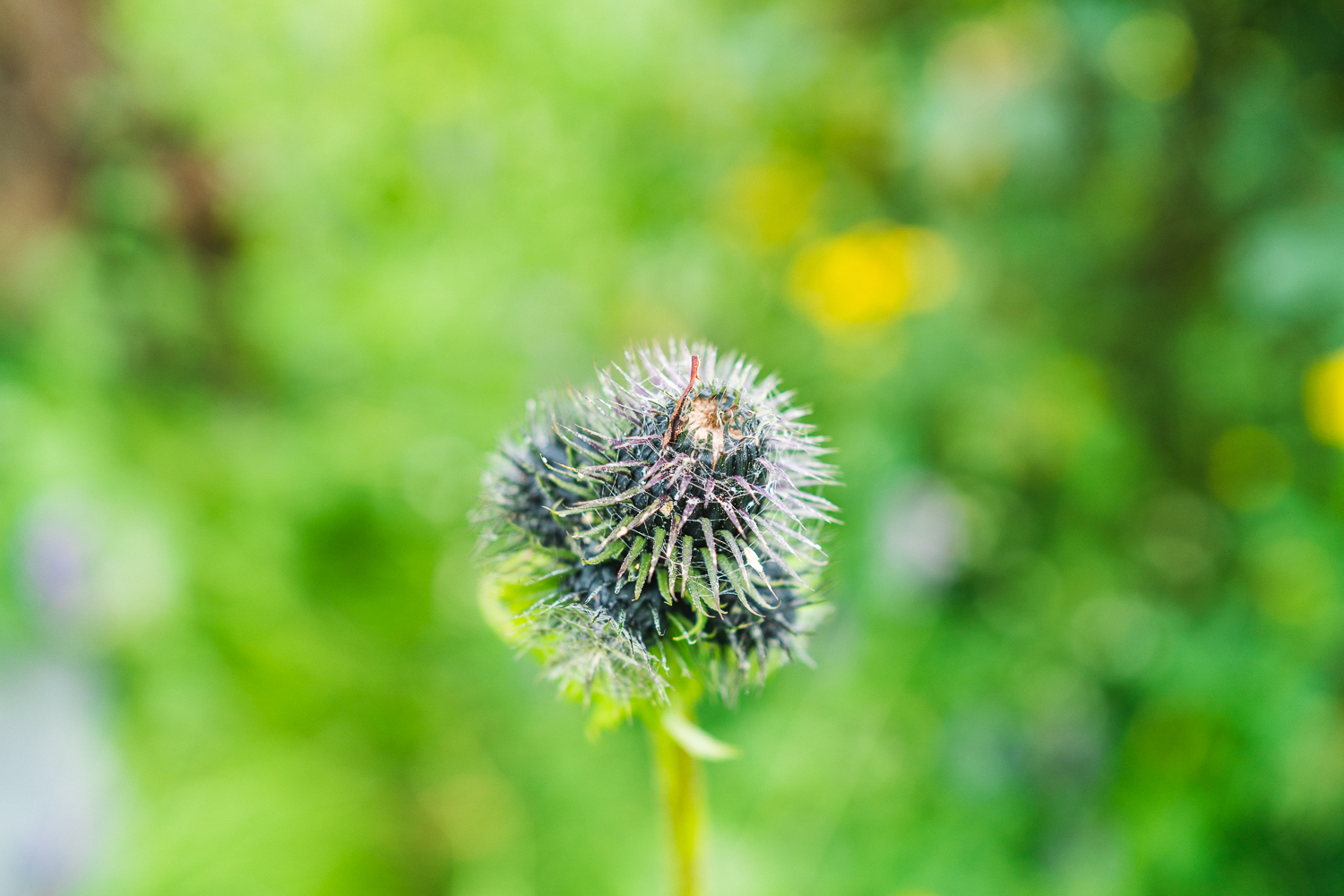
Key Characteristics: It is a perennial herb that can grow up to 2 meters tall. It has large, triangular leaves and distinctive dark purple to black flower heads. The most important part is its long, tuberous root, which is thick, wrinkled, and has a strong, characteristic aroma.
Other Names: In Ayurveda, it is known as Kustha, meaning “to destroy disease.”
2. Habitat and Cultivation in Jammu & Kashmir
Native Habitat: Kuth is an indigenous plant of the high Himalayas.
Altitude: It thrives in alpine and sub-alpine meadows at altitudes between 2,500 and 4,000 meters.
Specific Locations in J&K: Its primary natural habitat in India is confined to the Kishtwar and Dachhan areas of the Chenab Valley in Jammu. It is also found in parts of Ladakh. These regions provide the specific cold desert-like conditions and well-drained soil the plant requires.
3. Medicinal Uses and Importance (The “Why” it’s so valuable)
Kuth root has been a cornerstone of traditional medicine systems for centuries.
Ayurveda:
Considered a potent anti-inflammatory, digestive, and anti-spasmodic herb.
Used to treat a wide range of conditions including cough, asthma, chronic skin diseases (like psoriasis and leucoderma), rheumatoid arthritis, and digestive issues like flatulence and worms.
Traditional Chinese Medicine (TCM):
Known as “Mu Xiang,” it is a key ingredient for treating abdominal pain and distension, vomiting, and diarrhea.
Unani Medicine: Also highly valued for its therapeutic properties.
Part Used: The dried root is harvested, processed, and used in powders, decoctions, and as an essential oil.
4. Other Uses
Perfumery: The essential oil extracted from Kuth root, known as Costus Oil, is a prized ingredient in luxury perfumes. It has a rich, animalic, and long-lasting scent, used as a fixative.
Incense: The aromatic root is also used in incense sticks.
Economic Significance and the Critical Threat of Extinction
Extremely High Market Value: Due to its high demand in national and international pharmaceutical and perfume industries, and its extreme scarcity, Kuth commands a premium price, often referred to as “black gold” by local farmers. It can sell for several thousand rupees per kilogram.
Threat – Critically Endangered:
Over-exploitation: The immense commercial value has led to rampant, unsustainable, and often illegal harvesting of wild roots. The plant is uprooted completely, preventing regeneration.
Slow Growth: It takes several years for the plant to mature and develop medicinally potent roots.
Habitat Fragmentation: Grazing, climate change, and infrastructure development have degraded its natural habitat.
International Legal Protection: Saussurea costus is listed in Appendix I of the Convention on International Trade in Endangered Species (CITES). This is the highest level of protection, which bans all international commercial trade of wild-collected specimens.
National Legal Protection: In India, it is listed under Schedule VI of the Wildlife (Protection) Act, 1972, which regulates its cultivation and trade to prevent its extinction.
Challenges
Illegal Poaching and Smuggling: Despite the ban, a black market thrives due to the high profits, putting immense pressure on the remaining wild populations.
Domestication Difficulties: Reproducing its specific high-altitude, cold desert conditions for large-scale cultivation is challenging.
Long Gestation Period: Farmers must wait 3-4 years for a harvestable yield, which requires significant investment and patience.
Conservation and Sustainable Initiatives
Cultivation Efforts: The CSIR-Indian Institute of Integrative Medicine (IIIM), Jammu, has been a pioneer in developing scientific protocols for the cultivation of Kuth. They provide high-quality seeds and training to farmers in the Chenab Valley.
Government and NGO Involvement: The J&K Forest Department and the Lieutenant Governor’s administration have launched missions to promote Kuth as a high-value cash crop for farmers in Dachhan, Kishtwar, and other suitable areas. The goal is to shift from destructive wild harvesting to sustainable cultivation.
Community Involvement: By involving local farmers, these initiatives aim to provide a legal and sustainable livelihood, turning them into guardians of the species rather than its harvesters.
Summary
In essence, J & K Kuth (Saussurea costus) is a critically endangered medicinal powerhouse and a test case for balancing economic benefit with ecological survival.
For Medicine & Industry: It is an irreplaceable ingredient in Ayurveda, TCM, and luxury perfumery.
For Jammu & Kashmir: It represents one of the most lucrative agricultural opportunities for high-altitude farmers, but its survival hinges on sustainable practices.
For the Future: The story of Kuth is a race against time. Its future depends entirely on the success of conservation-through-cultivation models, strict enforcement of wildlife laws, and continued scientific support.
It is a symbol of both the immense value of Himalayan bio-resources and the profound responsibility to protect them from extinction.
