
Overview
J & K Gulab Khas refers specifically to the cultivation of a particular type of fragrant rose, most notably the Damask Rose (Rosa damascena), in the regions of Jammu and Kashmir. The term “Gulab Khas” translates to “Special Rose” or “Royal Rose,” indicating its superior quality and high aromatic value. This rose is the heart of a traditional industry producing some of the world’s finest rose-based products.
Key Aspects of J & K Gulab Khas
1. The Rose: Rosa damascena (Damask Rose)
Heritage and Origin: The Damask Rose is not native but was introduced to Kashmir, likely from Persia or Bulgaria, centuries ago. It found a perfect second home in the valley’s climate.
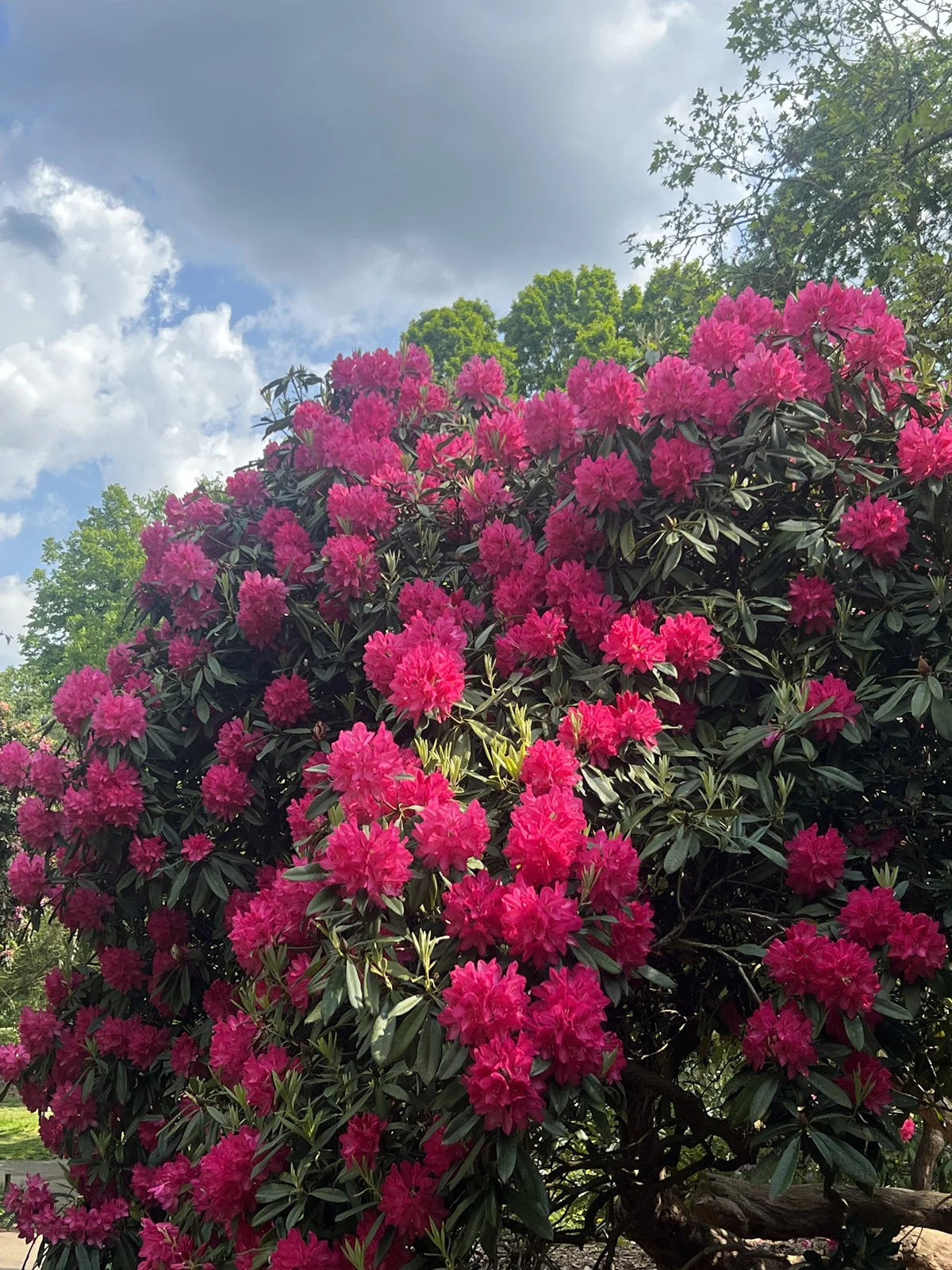
Characteristics: It is a bushy shrub with pink or light red flowers, known for its rich, complex, and intense fragrance. This specific scent profile is what makes its oil so valuable.
2. Why Jammu & Kashmir is Ideal?
The agro-climatic conditions of Kashmir, particularly in the districts of Budgam, Ganderbal, Pulwama, and Kulgam, are nearly perfect for the Damask Rose:
Climate: The plant requires a cool climate with a distinct winter period (dormancy) and a sunny, mild spring for flowering. The Kashmir Valley provides this perfectly.
Altitude: Cultivated at altitudes of 1,500 to 2,000 meters above sea level, which is ideal for the development of the flower’s volatile oils.
Soil: Well-drained, loamy soils found in the region are excellent for rose cultivation.
Water: Pure meltwater from the Himalayas is used for irrigation, contributing to the flower’s purity and quality.
3. The Products and Their Uses
The petals of the Gulab Khas are processed to create several high-value products:
Rose Attar (Rose Oil):
Production: It takes an enormous quantity of petals (often cited as “thousands of kilograms” for one kilogram of oil) to produce rose attar through a traditional steam distillation process. It is one of the most expensive essential oils in the world.
Uses: Primarily in luxury perfumery (as a base note), high-end cosmetics, and aromatherapy.
Gulab Jal (Rose Water):
Production: A hydrosol, which is a by-product of the steam distillation of rose petals for oil. It can also be made separately.
Uses: A staple in Indian and Middle Eastern cuisines for flavoring sweets (like gulab jamun, phirni, lassi). It is also a key ingredient in cosmetics for its soothing, anti-inflammatory, and toner-like properties.
Gulkand:
Production: A sweet, nutritive jam made by slow-cooking rose petals with sugar.
Uses: In Ayurveda as a cooling tonic and digestive aid. Also consumed as a sweet preserve.
Dried Petals: Used for potpourri, herbal teas, and decorative purposes.
4. Economic and Cultural Significance
High-Value Crop: Rose cultivation provides a significant and sustainable source of income for local farmers, often more profitable than traditional food crops.
Niche Industry: The rose oil from Kashmir competes in the international market with oils from Bulgaria (famous for Rose Valley) and Turkey, known for their premium quality.
Cultural Heritage: The art of cultivating these roses and distilling attar and rose water is a deep-rooted tradition in Kashmir, passed down through generations. The sight and scent of rose fields in bloom are an integral part of the valley’s spring and early summer landscape.
The Cultivation and Harvesting Process
Season: The flowering season is short and precious, typically from late April to the end of June.
Harvesting: The flowers are hand-picked in the early morning hours (before sunrise). This is critical because the concentration of fragrant oils is at its peak before the sun’s heat causes them to evaporate.
Processing: The petals are transported quickly to distillation units (often located near the fields) to preserve their volatile oils.
Challenges
High Production Cost: The labor-intensive nature of hand-picking and the vast quantity of petals needed make the final products, especially the oil, very expensive.
Climate Vulnerability: Unseasonal rains or hailstorms during the blooming period can devastate the crop.
Market Competition and Adulteration: Authentic Kashmiri rose oil faces competition from synthetic substitutes and adulterated products that are sold at a lower price.
Limited Land: The specific geographical requirements limit the area where it can be optimally cultivated.
Government and Institutional Support
National Mission on Medicinal Plants: Supports the cultivation of aromatic plants like the Damask Rose.
J&K Agriculture Department & Horticulture Department: Provide subsidies, quality saplings, and technical guidance to farmers.
Geographical Indication (GI) Tag: There have been efforts to secure a GI Tag for “Kashmir Rose Oil” or “Kashmir Gulab.” This would legally recognize it as a product originating from a specific geographical location, attributing its qualities and reputation to that origin, and protecting it from imitation.
Summary
In essence, J & K Gulab Khas is not just a crop; it is a symbol of Kashmiri heritage, aroma, and craftsmanship. It represents a perfect synergy between nature’s gift (the ideal climate) and human skill (traditional processing knowledge), resulting in a globally sought-after luxury product. The industry supports local livelihoods and continues to be a proud, fragrant ambassador of Jammu and Kashmir on the world stage.
