
Overview
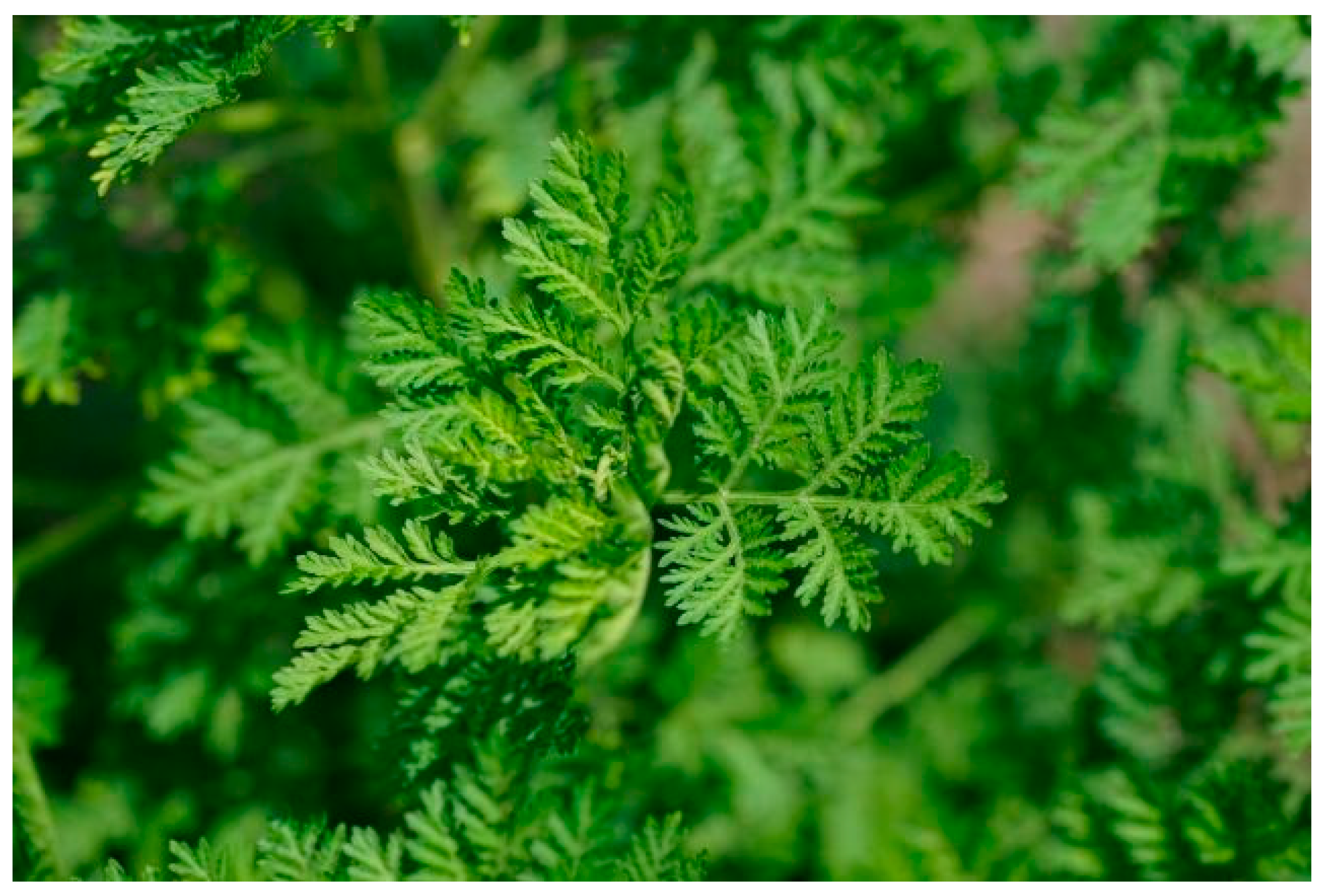
J & K Artemisia refers to the strategic cultivation of the medicinal plant Artemisia annua (also known as Sweet Wormwood) in the regions of Jammu and Kashmir. This initiative has gained significant attention for its dual benefit: providing a high-value cash crop for farmers and contributing to the production of Artemisinin, a key compound used in life-saving anti-malarial drugs.
The cool, temperate climate and specific soil conditions of Jammu and Kashmir, particularly in the higher altitudes, are found to be highly suitable for cultivating Artemisia with a good concentration of the vital artemisinin.
Key Aspects of J & K Artemisia
1. The Plant: Artemisia annua
Source of Artemisinin: This plant is the primary natural source of artemisinin, the core ingredient in Artemisinin-based Combination Therapies (ACTs), which are the World Health Organization (WHO)-recommended first-line treatment for Plasmodium falciparum malaria.
Global Importance: With millions of malaria cases reported annually, primarily in Africa and parts of Asia, a stable and high-quality supply of artemisinin is a matter of global public health.
2. Why Jammu & Kashmir?
Agro-Climatic Suitability:
Altitude: The plant thrives at higher altitudes (1,000 to 1,800 meters above sea level), which are abundant in J&K.
Climate: It requires a long, frost-free growing season with well-distributed rainfall. The climate of regions like the Kashmir Valley and parts of Jammu is ideal.
Soil: Well-drained loamy soils with good organic matter, common in the region, are perfect for its growth.
High Artemisinin Content: Research has shown that Artemisia grown in the specific conditions of J&K can develop a high percentage of artemisinin, sometimes even higher than in its native China, making it a premium product.
3. Economic and Agricultural Benefits for J&K
High-Value Cash Crop: Artemisia is far more profitable than traditional crops like maize or paddy. It can provide farmers with a significantly higher income per hectare.
Diversification of Agriculture: It offers farmers a viable and lucrative alternative, reducing dependency on traditional horticulture (like apples) and food grains, thereby stabilizing rural incomes.
Source of Essential Oil: Besides artemisinin, the plant also yields an essential oil used in aromatherapy and cosmetics, adding another revenue stream.
4. Key Players and Initiatives
The cultivation in J&K is not accidental but a result of concerted efforts by:
Council of Scientific & Industrial Research (CSIR-India): CSIR, through its constituent lab Indian Institute of Integrative Medicine (IIIM), Jammu, has been a pioneer. They introduced high-yielding varieties and developed the entire agrotechnology for cultivating Artemisia in the region.
The Dhoop Ghaati Project: This is a landmark collaboration between CSIR-IIIM Jammu, the J&K Government, and industry partners (like Sanofi). Launched in the Kishtwar region, it aims to transform the rural economy by making farmers “agri-entrepreneurs” in the pharmaceutical supply chain.
J&K Agriculture Department: Promotes the crop by providing subsidies, training, and linking farmers with the industry.
The Cultivation and Supply Chain
Cultivation: Grown as a Kharif crop (sown in spring and harvested in autumn). CSIR-IIIM provides high-yielding saplings to farmers.
Harvesting: The entire aerial part of the plant is harvested just before flowering when the artemisinin content is at its peak.
Processing & Extraction:
The dried leaves and stems are processed.
The biomass is then sold to processing companies that extract artemisinin.
This crude artemisinin is further refined and used by pharmaceutical companies to manufacture ACT drugs.
Challenges
Market Price Fluctuation: The global demand and price for artemisinin can be volatile, depending on malaria funding and production from other countries like China and Vietnam.
Supply Chain Robustness: Ensuring a consistent and efficient supply chain from remote hilly areas to processing units is crucial.
Farmer Awareness: Continuous education and handholding are required to convince farmers to shift from traditional crops to this novel medicinal plant.
Summary and Significance
In essence, J & K Artemisia is a stellar example of how scientific innovation can be linked with regional agriculture for global good and local prosperity.
For Jammu & Kashmir: It is a game-changing high-value crop that boosts farmer incomes and promotes agricultural diversification in the hilly terrain.
For India: It enhances the country’s self-reliance (Atmanirbhar Bharat) in producing a critical raw material for life-saving medicines, reducing dependence on imports.
For the World: It contributes to securing a stable and quality supply of artemisinin for the global fight against malaria.
The success of this project has made Jammu and Kashmir a key hub for medicinal aromatic plants in India, with Artemisia leading the way.
