
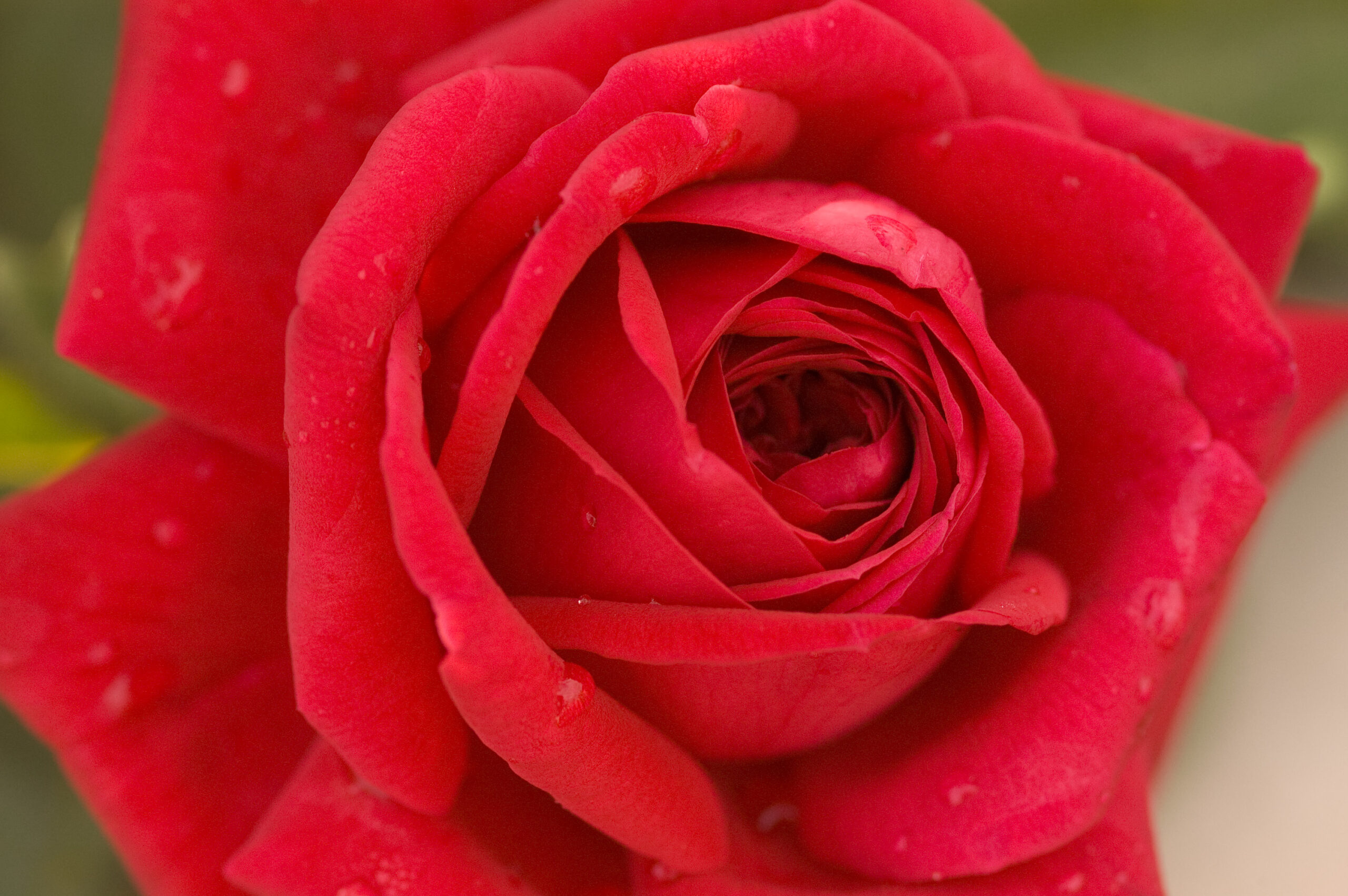
Here is a comprehensive overview of Jammu & Kashmir Roses, which are renowned not just for their beauty but for their exceptional fragrance and vital role in the region’s economy and culture.
1. The Core Concept: What are J & K Roses?
Jammu & Kashmir Roses primarily refer to the cultivation of specific, highly aromatic rose varieties, most notably the Damask Rose (Rosa damascena), grown for the production of high-quality rose oil (attar), rose water, and gulkand.
Unlike ornamental roses grown for gardens, the focus here is on aromatic and medicinal value, making it a crucial agri-business and a symbol of the region’s rich aromatic heritage.
2. The Star of the Show: The Damask Rose
Botanical Name: Rosa damascena
Common Names: Damask Rose, Gulab, Rosa de Damasco.
Key Feature: It is not the most visually perfect rose, but it is unbeatable in its fragrance. The scent is rich, deep, and complex, making it the most sought-after rose for perfumery and flavoring.
3. Key Growing Regions (The “Valley of Roses”)
The cultivation is concentrated in specific areas of the Kashmir Valley known for their ideal microclimate:
Budgam District: Specifically, the Budgam-Ichgoon area is the epicenter and is famously known as the “Valley of Roses.”
Pulwama District: Another significant area for rose cultivation.
Other Areas: Parts of Srinagar, Ganderbal, and Anantnag also have notable cultivation.
The cool climate, abundant sunshine, and well-drained soil of these regions contribute to the high oil content in the petals.
4. Characteristics and Cultivation
Plant: A deciduous shrub with thorny stems and gray-green leaves.
Flowers: The flowers are medium-sized, double-petaled, and range in color from light pink to a deep, rosy pink.
Harvesting: This is a highly labor-intensive process. The flowers are hand-picked in the early morning, just as the buds begin to open, to capture the maximum fragrance. The harvesting season is short and intense, typically from late April to late May.
Processing: The petals must be processed within hours of harvesting to prevent the loss of volatile aromatic compounds.
5. The “J & K” Advantage: Why They Are Special
Unmatched Fragrance Profile: The unique combination of cool nights, sunny days, and pure mountain air in Kashmir is believed to produce Damask Rose petals with a superior and more intense aroma than those grown elsewhere.
Traditional Knowledge: The art of distilling rose attar and rose water has been passed down through generations in Kashmir. This traditional know-how, often involving copper distillation units (deg-degs), is a cherished heritage.
Purity and Quality: Rose products from J & K, especially those made using traditional methods, are highly prized for their purity and are less likely to be adulterated.
6. Primary Products and Their Uses
The entire economic model is built around value-added products:
Rose Attar (Essential Oil):
Description: One of the most expensive essential oils in the world. It takes thousands of kilograms of petals to produce just one kilogram of oil.
Uses: High-end perfumery, luxury cosmetics, and aromatherapy.
Rose Water (Gulab Jal):
Description: A hydrosol, a by-product of the steam distillation process for making attar.
Uses:
Culinary: A key flavoring in numerous Kashmiri, Mughlai, and Persian desserts like Phirni, Gulab Jamun, and Lassi.
Cosmetic & Religious: Used as a natural skin toner, refresher, and in religious ceremonies.
Gulkand:
Description: A sweet, jam-like preserve made by slow-cooking rose petals with sugar.
Uses: An Ayurvedic digestive tonic and a sweet condiment.
Dried Petals:
Uses: For making potpourri, herbal teas, and as decorations.
7. Cultural and Economic Significance
Economic Lifeline: Rose cultivation and processing provide a critical source of income for thousands of farmers and artisans in the Kashmir Valley, especially for women who are often involved in the delicate work of petal picking.
Cultural Identity: The scent of roses is deeply embedded in Kashmiri culture—from its cuisine to its traditional weddings and festivals. It is a symbol of love, beauty, and hospitality.
A Part of “Wazwan”: Rose water is an essential ingredient in the elaborate Kashmiri multi-course meal, the Wazwan, used to flavor certain dishes and desserts.
8. Challenges Faced
Climate Change: Erratic weather patterns, unseasonal rains, or hailstorms during the short blooming season can devastate the crop.
High Production Cost: The labor-intensive nature of harvesting and the low yield of oil make it an expensive product to produce.
Market Competition & Adulteration: Farmers and producers face competition from cheaper, synthetic rose fragrances and adulterated products that undermine the market for pure Kashmiri rose oil.
Lack of Modern Infrastructure: While traditional methods have charm, there is a need for more modern distillation facilities to improve efficiency and yield without compromising quality.
Conclusion
Jammu & Kashmir Roses are far more than just flowers; they are liquid fragrance, cultural heritage, and economic sustenance. The Damask Rose of Kashmir is a natural treasure that produces some of the world’s finest aromatic products. Its story is one of ancient tradition meeting modern demand, and its future depends on preserving this unique heritage, supporting the farmers, and protecting the “Valley of Roses” as a designated hub of quality and authenticity in the global market for natural fragrances.
