
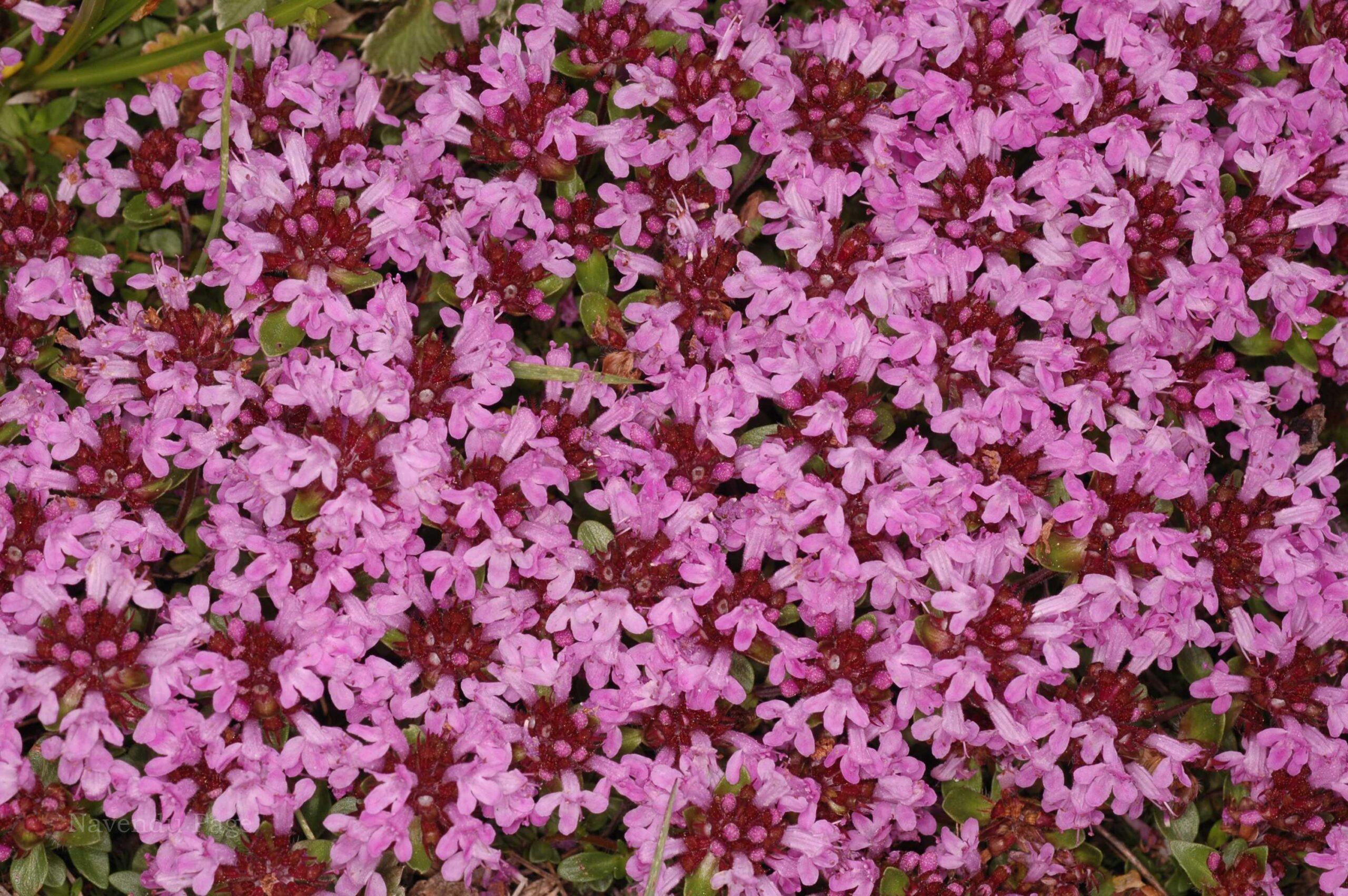
Here is a comprehensive overview of Jammu & Kashmir Wild Thyme, a plant that is an integral part of the region’s ecology, cuisine, and traditional heritage.
1. The Core Concept: What is J & K Wild Thyme?
J & K Wild Thyme refers to the native thyme species that grow abundantly in the wild, across the meadows, grasslands, and mountainous slopes of the Union Territories of Jammu & Kashmir and Ladakh. It is not a single cultivated crop but a foraged wild herb, deeply embedded in the local culture.
The most common and significant species is Thymus linearis (also known as Van Ajwain or Jangli Ajwain), which is a close relative of the common thyme (Thymus vulgaris) used in global cuisine.
2. Botanical Profile
Common Names: Wild Thyme, Himalayan Thyme, Van Ajwain, Jangli Ajwain.
Botanical Name: Thymus linearis is the predominant species. Other species like Thymus serpyllum (Breckland thyme) may also be found.
Family: Lamiaceae (Mint family).
Growth Habit: A low-growing, perennial aromatic shrublet that forms dense mats or cushions on the ground.
3. Key Characteristics & Identification
Appearance:
Size: A small, creeping herb, typically 5-15 cm tall.
Stems: Woody at the base, with numerous branching, slender stems.
Leaves: Tiny, linear to oval-shaped, and arranged oppositely on the stem. They are highly aromatic when crushed.
Flowers: Small, tubular, and bilabiate (two-lipped), ranging in color from pale pink to lavender or purple. They bloom in dense clusters at the ends of the stems, typically from June to August, transforming the meadows into a carpet of color and scent.
Aroma & Flavor: It has a strong, pungent, and aromatic scent, similar to a combination of common thyme and carom seeds (ajwain). The flavor is intensely herbal, slightly peppery, and warming.
4. The “J & K” Context: A Foraged Treasure of the Himalayas
This herb is a quintessential part of the Himalayan landscape and lifestyle:
Natural Habitat: It thrives in the alpine and sub-alpine regions of J & K and Ladakh, at altitudes between 1,500 and 4,500 meters. It is commonly found in the dry, sunny slopes of meadows in places like Sonamarg, Gulmarg, Pahalgam, and the high-altitude regions of Ladakh.
Ecological Role: As a ground-covering plant, it helps prevent soil erosion. Its flowers are a valuable source of nectar for bees and other pollinators in the fragile Himalayan ecosystem.
5. Traditional and Modern Uses
Wild Thyme from J & K is a versatile herb with a wide range of applications:
1. Culinary Uses:
Local Cuisine: It is a traditional flavoring agent in Kashmiri and Ladakhi cuisine. It is used to marinate and flavor meats, particularly in dishes like Rogan Josh and Yakhni, where its earthy, pungent notes are highly valued.
Herbal Tea (Kahwa): It is a common ingredient in the traditional Kashmiri green tea, Kahwa, adding a distinct aroma and aiding digestion.
Spice Blend: Dried and crushed wild thyme is used as a standalone spice or mixed into local spice blends.
2. Medicinal Uses (Ethnobotany):
In traditional medicine systems like Unani and local folk practices, it is considered a potent remedy:
Digestive Aid: Used to treat indigestion, flatulence, and stomach aches, much like carom seeds.
Respiratory Health: Used in remedies for cough, cold, bronchitis, and asthma due to its antispasmodic and expectorant properties.
Antiseptic & Antimicrobial: The essential oil (rich in thymol) is a powerful antiseptic, used traditionally to treat wounds and infections.
Relief from Aches: Used in poultices or oils for relieving muscular and rheumatic pain.
3. Commercial Potential:
Essential Oil: The plant is a source of essential oil rich in phenols like Thymol and Carvacrol, which have high value in the pharmaceutical, cosmetic, and food industries.
Herbal Products: There is a growing market for dried wild thyme for use in herbal teas, seasonings, and natural remedies.
6. Challenges and Conservation
Over-Harvesting: As a wild herb, there is a risk of unsustainable harvesting due to increasing demand, which could threaten its natural populations.
Lack of Cultivation: Currently, it is predominantly foraged from the wild. There is a need to develop sustainable cultivation practices to meet commercial demand without depleting wild stocks.
Climate Change: Changes in temperature and precipitation patterns in the Himalayas could impact its natural habitat.
Conclusion
Jammu & Kashmir Wild Thyme is far more than just a wild plant; it is a sensory symbol of the Himalayan highlands. Its pungent aroma flavors the region’s most iconic dishes, its vibrant flowers paint the summer meadows, and its medicinal properties have been trusted for generations. It represents a perfect synergy between the environment and local culture. As the world shows greater interest in natural and regional products, this wild herb stands as a testament to the rich biocultural heritage of J & K, holding immense potential for sustainable economic development if managed wisely.
