
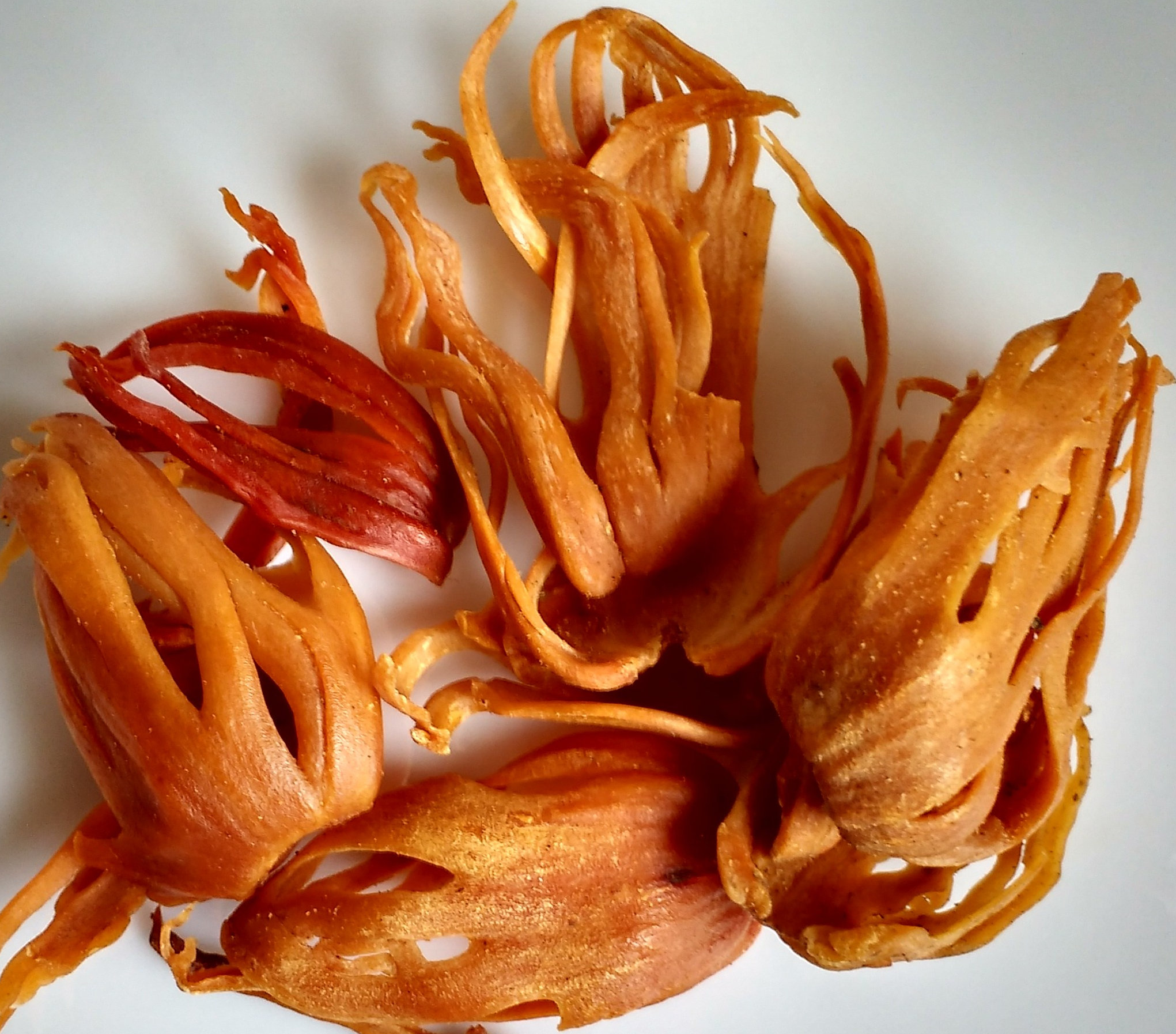
Mace is the lacy, reddish-orange covering (aril) that envelops the nutmeg seed (Myristica fragrans). While they come from the same fruit, mace is prized for its more delicate, floral, and refined aroma compared to the woody intensity of nutmeg. In 2026, the global mace market is valued at approximately $78.7 million, with Indonesia and India dominating both production and export.
📊 Mace: Multi-Sector Analysis (2026)
| Sector | Primary Applications | Key Component Used |
| Commercial | Flavoring for luxury chocolates, savory meat stews, and European charcuterie. | Dried Aril (Blades) |
| Medical | Treatment for joint inflammation, digestive enzyme stimulation, and dental care. | Myristicin & Eugenol |
| Export | Whole “Full Flower” blades and high-purity essential oils (Banda Mace). | Dried Whole Arils |
| Industrial | Ingredient in anti-aging cosmetics, high-end soaps, and aromatherapy oils. | Volatile Oils (8–10%) |
🔍 Detailed Breakdown of Uses
-
Commercial & Export: In 2026, the highest quality mace, known as “Banda Mace” from Indonesia, is a top-tier export, fetching premium prices in the US and Europe. It is the secret ingredient in many “Clean Label” sausages and baked goods because it enhances flavor without the dark speckling that ground nutmeg causes. India has also emerged as a major exporter, with the US being its largest buyer for whole orange-red blades.
-
Medical & Pharmaceutical: Mace contains a higher concentration of essential oils than nutmeg kernel. In 2026, its antibacterial properties make it a popular addition to organic toothpastes and mouthwashes to combat S. mutans (cavity-causing bacteria). It is also used as a traditional “nervine tonic” to treat mental fatigue and improve concentration.
-
Industrial Use: The cosmetic industry utilizes mace oleoresins for their antioxidant properties, incorporating them into night creams to promote collagen production. Industrially, mace oil is used as a masking agent in heavy-duty cleaners and as a fragrance base in masculine perfumes to provide a “warm, spicy” note.
-
Agricultural Use: Mace extracts are being studied in 2026 as natural bio-pesticides. The oil has shown strong larvicidal properties, effectively killing mosquito larvae in standing water without the environmental damage caused by synthetic chemicals.
⚖️ Advantages and Disadvantages
✅ Key Advantages
-
Refined Flavor Profile: It provides a “lighter” sweetness than nutmeg, making it the preferred spice for delicate cream sauces, custards, and white fish dishes.
-
Potent Digestive Aid: It is exceptionally effective at relieving flatulence and stomach spasms by stimulating the secretion of digestive acids.
-
Joint Health: Applied topically as an oil, it acts as a counter-irritant, increasing blood flow to the skin and relieving the deep-seated pain of rheumatism and arthritis.
-
High ROI for Farmers: Since it is a byproduct of the nutmeg harvest, it provides an additional high-value revenue stream from the same tree.
❌ Key Disadvantages
-
High Volatility: Mace loses its essential oils and aroma much faster than the nutmeg seed once ground; it must be stored as whole “blades” to maintain quality.
-
Psychotropic Risks: Like nutmeg, mace contains myristicin. If consumed in large amounts (exceeding 5-10g), it can cause hallucinations, nausea, and tachycardia (rapid heartbeat).
-
Fragile Processing: The lacy aril is very fragile; if not removed by hand and dried carefully in the shade, it loses its bright color and market value significantly.
-
Pregnancy Warning: In high doses, mace is considered a “uterine stimulant” and should be avoided during pregnancy as it may cause complications.
