
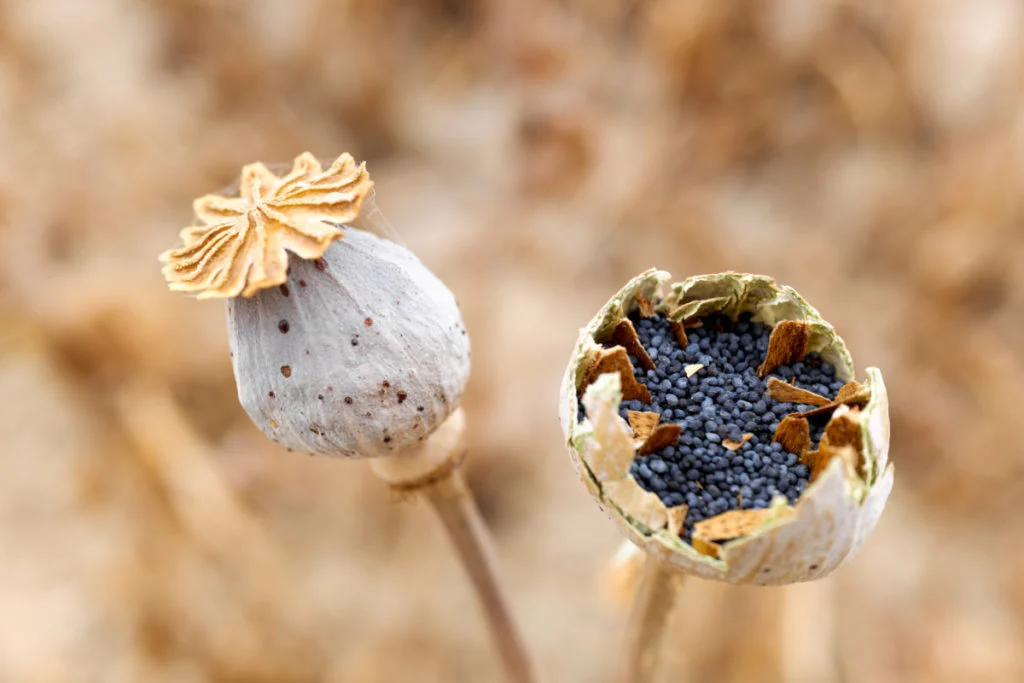
Poppy seeds (Papaver somniferum) are highly nutritious oilseeds that have been cultivated for thousands of years. In 2026, they are a significant global commodity, with the market valued at approximately $240 million. While the plant is famous for producing opium, the seeds themselves—when processed correctly—contain only trace amounts of opiates and are a staple in global food and health industries.
📊 Poppy Seed: Multi-Sector Analysis (2026)
| Sector | Primary Applications | Key Component Used |
| Industrial | High-end oil paints, varnishes, and moisturizing soaps. | Poppyseed Oil |
| Medical | Precursor for morphine and codeine; used in radiology and chemotherapy delivery. | Alkaloids & Seed Oil |
| Commerce | Global trade for the bakery industry (muffins, bagels) and traditional sweets (Khus Khus). | Whole Dried Seeds |
| Agricultural | Climate-resilient winter cropping and nutrient-dense poultry feed. | Whole Plant & Seed Meal |
🔍 Detailed Breakdown of Uses
-
Commercial & Export: Europe remains the dominant consumer (over 50% of global share), particularly for the blue poppy variety used in traditional pastries. India and Turkey are major producers of the white poppy variety. In 2026, export prices typically range from $2.00 to $3.50 per kg, though “unwashed” or organic varieties can command much higher premiums.
-
Medical & Pharmaceutical: Beyond their use as a dietary source of Manganese (26% DV) and Copper, poppy seeds are industrially vital. Poppyseed oil is the base for Lipiodol, a radiocontrast agent used in cancer imaging. While food-grade seeds are washed to remove narcotics, the pharmaceutical industry harvests the “poppy straw” and latex to manufacture life-saving analgesics like morphine.
-
Industrial Use: Poppyseed oil is a “drying oil” preferred by fine artists. Unlike linseed oil, it does not yellow over time, making it the gold standard for binding white and light-colored pigments in oil painting. It is also a trending ingredient in 2026 vegan cosmetics for its high vitamin E content and skin-hydrating properties.
-
Agricultural Use: In 2026, farmers are increasingly switching to winter poppy varieties because they are more resilient to the “spring droughts” caused by shifting climate patterns. The seeds are also used as a high-fat, high-protein supplement in specialized avian and livestock feeds.
⚖️ Advantages and Disadvantages
✅ Key Advantages
-
Bone & Heart Health: Rich in calcium, phosphorus, and magnesium, which strengthen bone density and help prevent osteoporosis.
-
Natural Sedative: Contains trace alkaloids that can help soothe nervous irritability and improve sleep quality when consumed in moderation.
-
High Economic Density: Because the seeds are lightweight and have a long shelf life, they are an efficient crop for international shipping and trade.
-
Culinary Versatility: Provides a unique nutty texture and “pop” that is irreplaceable in both savory gravies and sweet confectionery.
❌ Key Disadvantages
-
Legal & Regulatory Risks: Due to their link to opium, poppy seeds are banned or strictly regulated in several countries (e.g., UAE, Singapore, parts of the Middle East).
-
Drug Testing Interference: Even a small amount of poppy seeds (like on a bagel) can sometimes cause a “false positive” for opiates in sensitive workplace drug tests.
-
Toxicity of Imposters: The Japanese Star Anise or certain wild poppy relatives can be toxic; ensuring purity from trusted suppliers is critical.
-
Sensitivity to Processing: If seeds are not washed correctly, they can retain high levels of morphine, leading to potential “poppy seed tea” toxicity or overdose if consumed in extreme quantities.
