
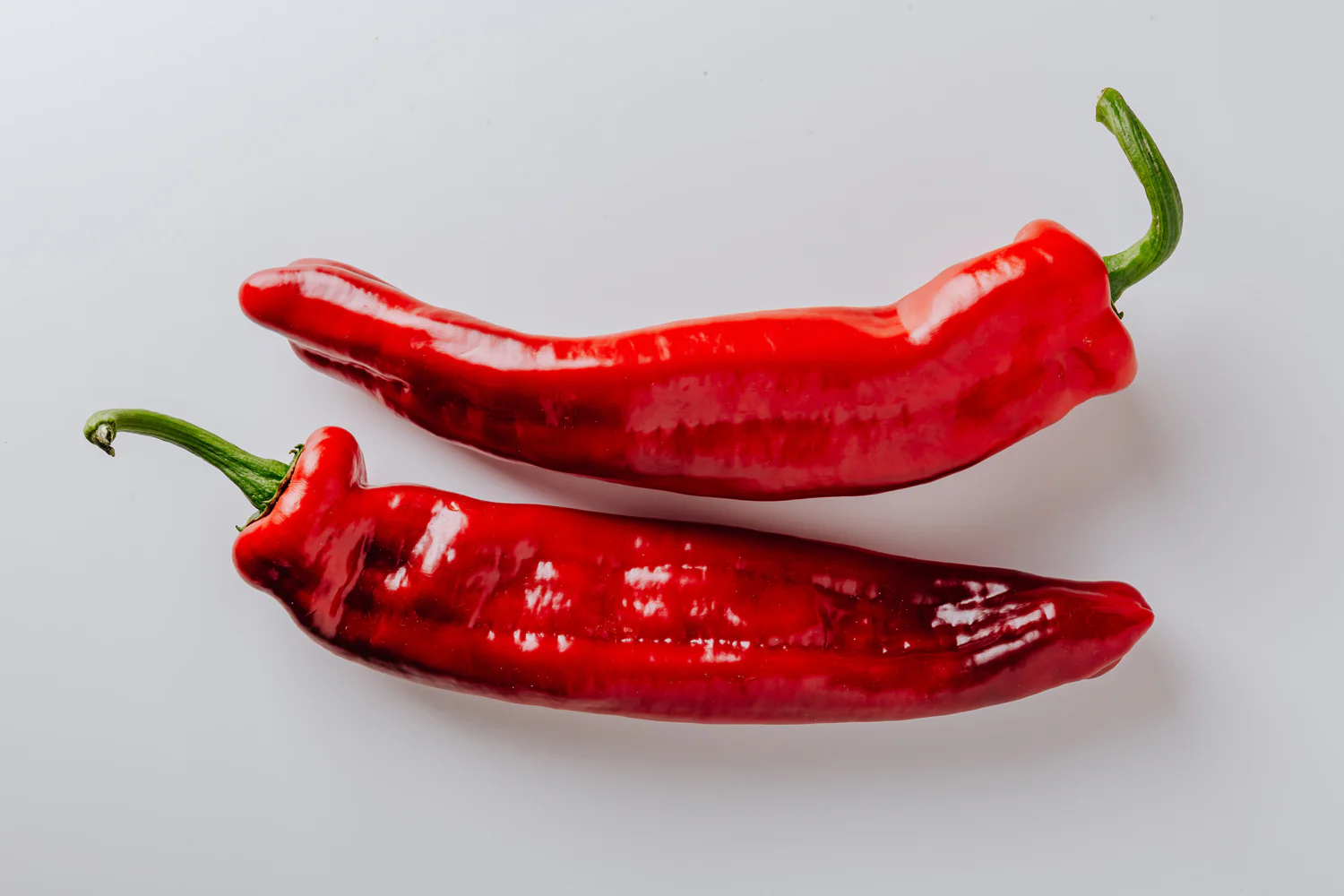
Red Chilli (Capsicum annuum) is a vital global commodity, valued not only for its heat but as a powerhouse for industrial, medical, and agricultural sectors. In 2026, the global dry chilli market is estimated at $9.08 billion, with India remaining the world leader in production and export.
📊 Red Chilli: Multi-Sector Analysis (2026)
| Sector | Primary Applications | Key Component Used |
| Industrial | Natural food coloring (E160c), bio-pesticides, and specialized lubricants. | Oleoresins & Capsanthin |
| Medical | Topical analgesics for arthritis, weight loss supplements, and heart health. | Capsaicin |
| Commerce | Global spice trade, “Mala” snack flavoring, and “clean-label” additives. | Dried Whole Chilli & Powder |
| Agricultural | Animal feed (to color egg yolks), natural insect repellents, and intercropping. | Seed Meal & Capsaicinoids |
🔍 Detailed Breakdown of Uses
-
Industrial Use: The extraction of chilli oleoresins is a massive industry in 2026. These concentrated extracts provide standardized heat and color for processed foods like sausages, sauces, and snacks. Industrially, capsaicin is also used in marine paints to prevent barnacles from attaching to ships and in pepper sprays for law enforcement and personal safety.
-
Medical Use: Capsaicin is a FDA-approved analgesic. It works by depleting “Substance P,” a neurotransmitter that sends pain signals to the brain, making it essential for treating shingles (postherpetic neuralgia) and diabetic neuropathy. Research in 2026 also explores its role in metabolic health, as it triggers thermogenesis to help burn fat.
-
Commercial & Export: India exports over 550 million kg of red chilli annually, with China, the USA, and Thailand being top destinations. The “Super Hot” segment (like Carolina Reaper) and “High Color” segment (like Kashmiri Mirch) are the most profitable commercial niches.
-
Agricultural Use: Chilli plants are used as “barrier crops” to protect other vegetables from pests. In livestock, adding red chilli to poultry feed is a standard 2026 practice to naturally deepen the orange color of egg yolks without using synthetic dyes.
⚖️ Advantages and Disadvantages
✅ Key Advantages
-
High Profitability: For small-scale farmers, chilli is a “cash crop” with high returns; a well-managed hectare can yield significant income compared to cereal crops.
-
Health Powerhouse: Red chillies contain more Vitamin C than oranges and are rich in Vitamin A and antioxidants that boost immunity.
-
Natural Preservation: The antimicrobial properties of capsaicin help extend the shelf life of food products naturally, reducing the need for chemical preservatives.
❌ Key Disadvantages
-
Pest Vulnerability: Chilli crops are highly susceptible to “Thrips” and “Mites,” often requiring heavy pesticide use which can lead to export rejections due to chemical residue limits.
-
Climate Risk: In 2026, unseasonal rainfall has caused a 26% drop in some regional productions. The crop is sensitive to both waterlogging and extreme frost.
-
Health Irritant: Excessive consumption or handling can cause severe gastrointestinal distress, “chilli burn” on the skin, and respiratory irritation if inhaled as dust.
-
Market Volatility: Prices fluctuate wildly based on seasonal yields, making it a high-risk, high-reward investment for traders.
