
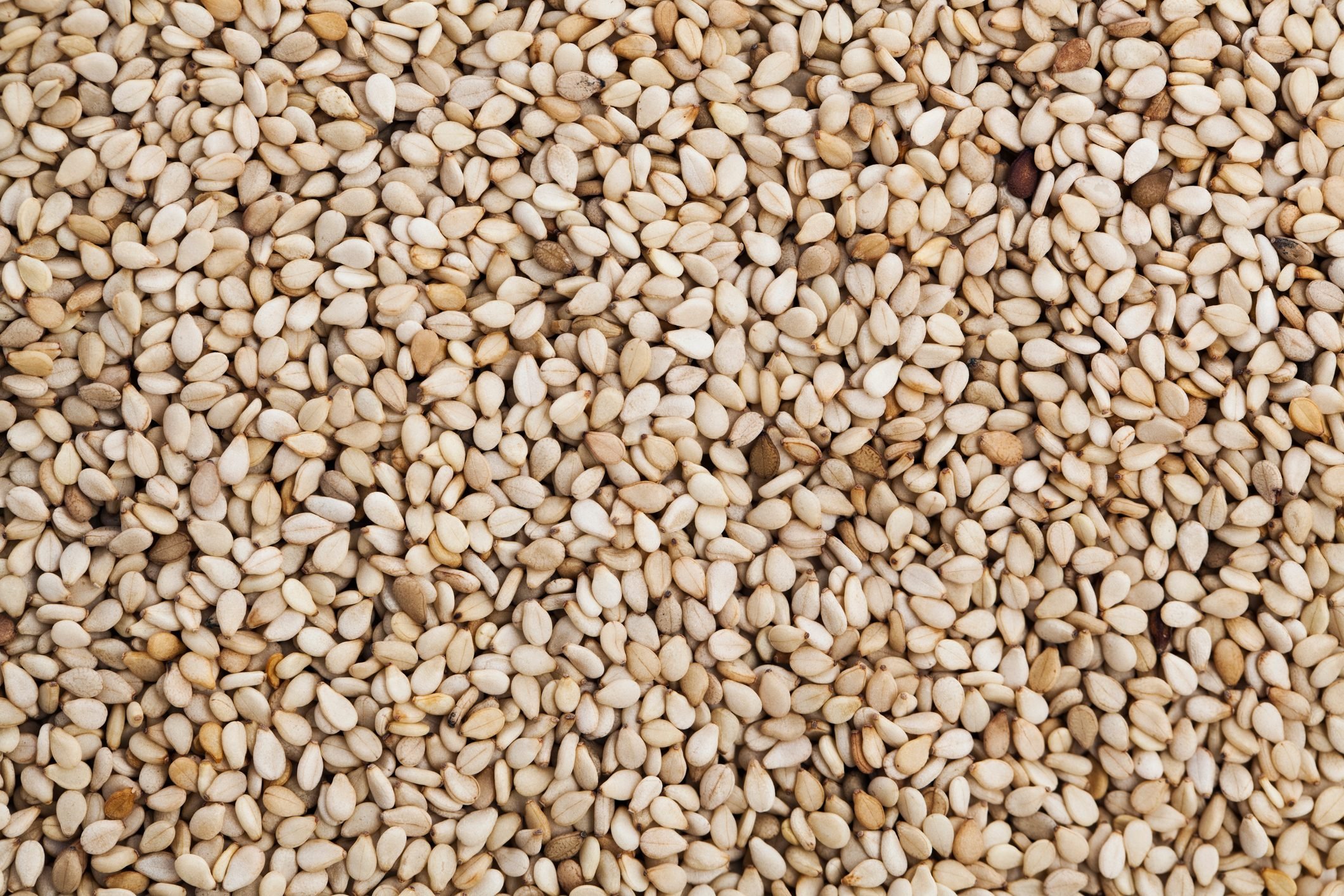
Sesame (Sesamum indicum) is one of the oldest oilseed crops in human history, often called the “Queen of Oilseeds” due to its high oil content (up to 50–60%) and resistance to rancidity. In 2026, the sesame market is valued at approximately $15.8 billion, driven by the global shift toward plant-based proteins and clean-label ingredients.
📊 Sesame Seed: Multi-Sector Analysis (2026)
| Sector | Primary Applications | Key Component Used |
| Industrial | High-grade lubricants, soaps, copy paper manufacturing, and high-quality ink. | Sesame Oil & Burnt Fumes |
| Medical | Injectable drug vehicles, cholesterol-lowering supplements, and topical burn treatments. | Sesamin, Sesamolin & Oil |
| Commerce | Global export of tahini, oil, and seeds for the bakery and confectionery industries. | Dehulled & Roasted Seeds |
| Agricultural | Intercropping for soil health, drought-resistant farming, and high-protein livestock feed. | Whole Plant & Seed Meal |
🔍 Detailed Breakdown of Uses
-
Commercial & Export: India, Sudan, and Myanmar are the world’s leading producers, with Japan and China being the largest importers. In 2026, there is a massive commercial trend toward black sesame in the functional beverage market and premiumized tahini in Western “Mediterranean-style” snacking.
-
Medical & Pharmaceutical: Sesame oil is a “pharmaceutical-grade” solvent used as a vehicle for intramuscular injections because it is non-irritating and stable. Rich in unique lignans like sesamin, it is clinically proven to reduce LDL cholesterol and help manage blood pressure.
-
Industrial Use: Beyond food, sesame oil is used to produce specialized lubricants for precision machinery. Historically and industrially, the fumes from burning sesame oil are still used to create high-quality Chinese ink for traditional calligraphy.
-
Agricultural Use: It is a “climate-smart” crop. Due to its deep taproot and low water requirement, it is used in intercropping with peanuts or soybeans to protect against drought. After oil extraction, the “sesame cake” (meal) is a prized livestock feed containing roughly 20% protein.
⚖️ Advantages and Disadvantages
✅ Key Advantages
-
Exceptional Stability: Unlike many vegetable oils, sesame oil contains natural antioxidants (sesamol) that give it an incredibly long shelf life without preservatives.
-
Drought Tolerance: It is a “survivor” crop that can grow in high-heat, low-moisture environments where corn or wheat would fail.
-
Nutritional Density: It is one of the best plant-based sources of Calcium, Magnesium, and Zinc, making it essential for bone health.
-
Sustainable Growth: It requires very little fertilizer or pesticide compared to other major oilseeds like soy or rapeseed.
❌ Key Disadvantages
-
Harvesting Challenges: Most traditional varieties are “dehiscent,” meaning the pods shatter and scatter the seeds as soon as they ripen. This makes mechanical harvesting difficult and leads to high labor costs.
-
High Allergenicity: Sesame is recognized as a major food allergen (joining the “Big 9” in the US). In 2026, strict labeling laws make it a liability for some mixed-ingredient food factories.
-
Sensitivity to Waterlogging: While it loves the heat, just 24 hours of standing water (flooding) can kill an entire sesame crop, making it vulnerable to erratic monsoon patterns.
-
Low Yield per Acre: Compared to modern GMO soybeans, sesame has a lower yield per hectare, which can keep market prices high and volatile.
