
🏛️ Deep-Dive Sector Analysis
| Sector | Core Applications & 2026 Trends | Specific Component Used |
| Industrial |
Textile Sizing: Used to strengthen 60% of cotton/jute yarns globally. Oil & Gas: High-viscosity thickener for deep-well drilling muds. Packaging: Development of biodegradable and edible films. |
Tamarind Kernel Powder (TKP) |
| Medical |
Ophthalmology: A leading treatment for chronic “Dry Eye” (mimics human mucin). Drug Delivery: Sustained-release “scaffold” for tablets and wound dressings. Gut Health: Acts as a prebiotic to nourish beneficial gut bacteria. |
Tamarind Seed Polysaccharide (TSP) |
| Commerce |
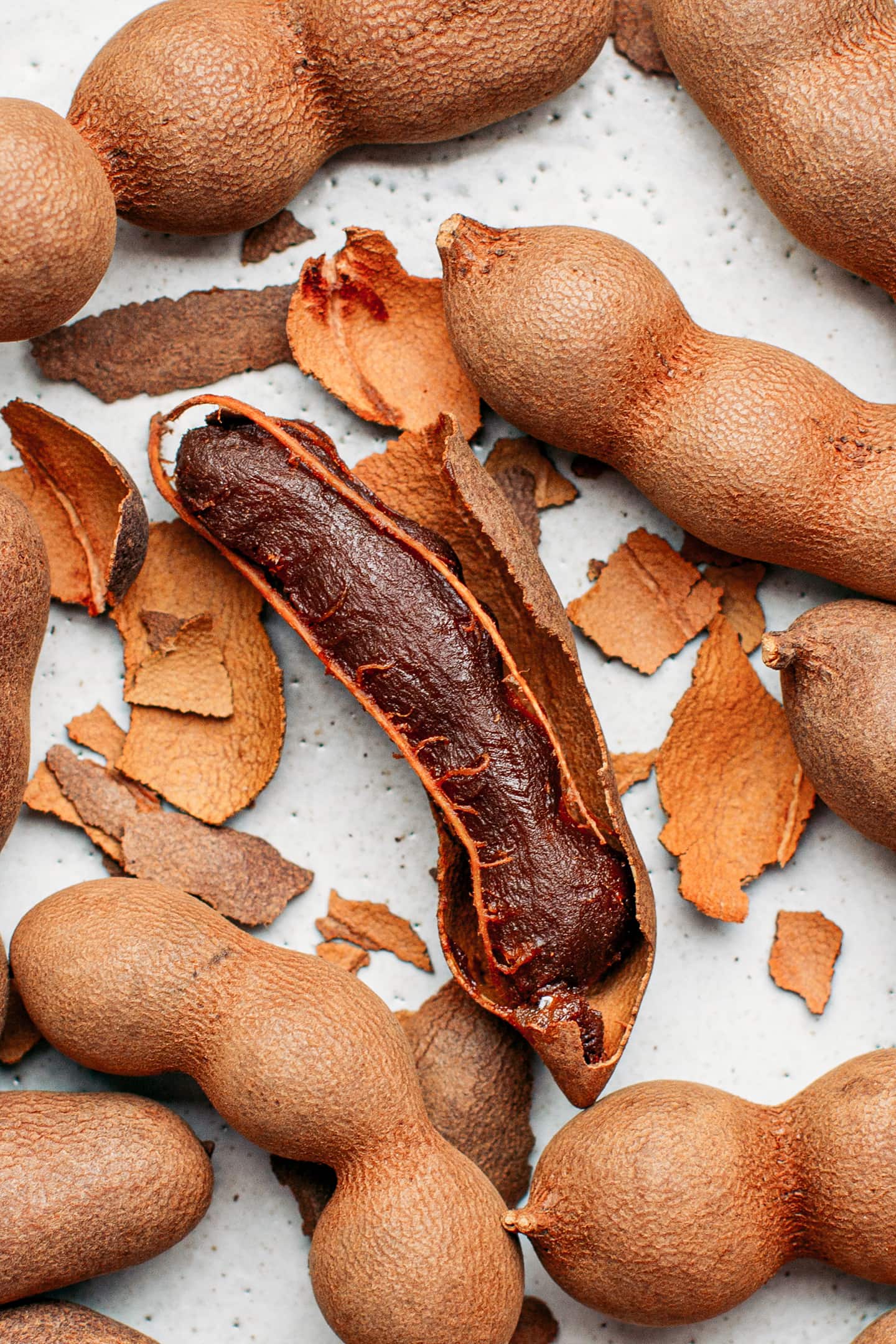
Food Tech: Natural “clean-label” stabilizer in vegan dairy and meat. Cosmetics: A natural AHA (Alpha Hydroxy Acid) for organic skin peels. Timber: Traded as “Madeira Mahogany” for luxury tools and furniture. |
Pulp, Seed Coat, Heartwood |
| Agricultural |
Animal Nutrition: High-protein feed (18-20% protein) for cattle and poultry. Agroforestry: Nitrogen-fixing roots and windbreaks for “climate-smart” farms. |
Seed Husks, Leaves, Roots |
✅ Strategic Advantages
-
Climate-Smart Resilience: The tree thrives for over 80–100 years and is exceptionally drought-tolerant. In 2026, it is a top choice for reforestation in arid regions because it requires minimal irrigation once established.
-
Biodegradability: As global regulations (especially in the EU and North America) ban synthetic thickeners, tamarind gum has become the “green” gold standard for the textile and adhesive industries.
-
Pharmaceutical Biocompatibility: Unlike synthetic polymers, Tamarind Seed Polysaccharide (TSP) is non-carcinogenic and non-toxic, making it ideal for internal medical use and advanced ocular (eye) health.
-
Multi-Revenue Stream: A single tree provides fruit for food, seeds for industry, leaves for fodder, and wood for timber, ensuring consistent income for farmers even if one market fluctuates.
❌ Critical Disadvantages & Constraints
-
The “Maturity Gap”: A major commercial barrier is the 7 to 10-year wait for a tree to reach full fruiting maturity. This requires long-term capital that many small-scale farmers lack.
-
Processing Hardships: The pulp is highly sticky and acidic. Mechanized separation of the shell, fiber, pulp, and seed is energy-intensive and requires specialized “de-hulling” machinery.
-
Tool Degradation: The heartwood is so dense (containing mineral deposits) that it is known to spark when cut and will dull industrial saw blades significantly faster than standard hardwoods.
-
Quality Inconsistency: 2026 market reports show that 61% of manufacturers struggle with “seasonal variability”—erratic rainfall can change the viscosity of the gum, making it hard to standardize for high-precision pharma use.
-
Dental & Health Risks: Frequent consumption of concentrated pulp or sour candies can lead to dental enamel erosion due to the high tartaric acid content.
📈 2026 Market Outlook
India remains the global powerhouse, controlling roughly 60-80% of the world’s tamarind supply. The fastest-growing segment is currently Pharmaceutical-grade TSP, as biotech firms move away from animal-based binders toward this plant-based alternative.
