
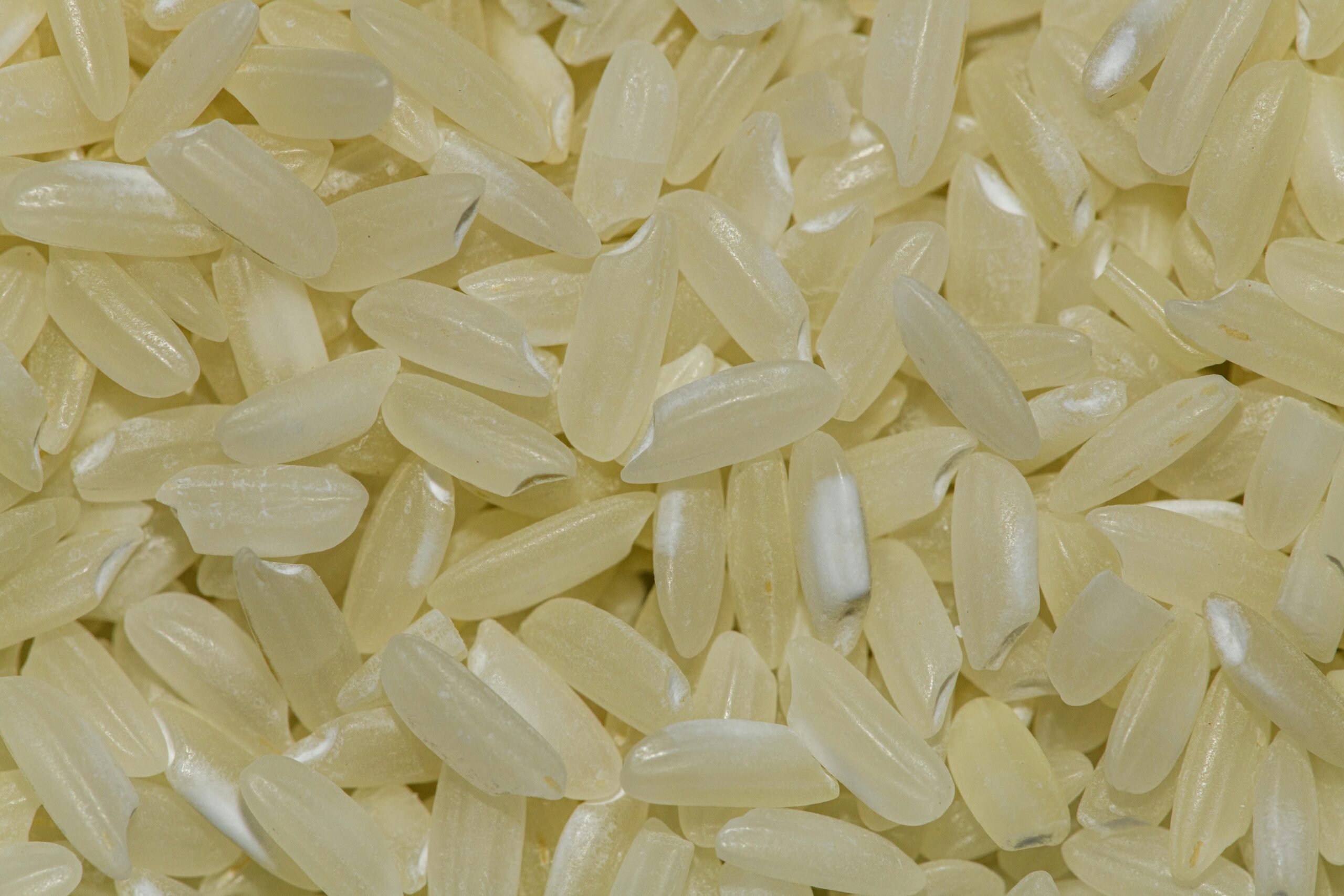
In India, rice is more than just a crop; it is a way of life, and 2026 is proving to be a landmark year. As of February 27, 2026, India has officially solidified its position as the world’s largest rice producer, recently overtaking China in total output.
The current season is defined by record-breaking harvests and a significant reopening of the global export market.
1. Production Highlights (2025–2026)
India is currently seeing its tenth consecutive year of record rice production.
-
Total Output: Projected to reach an all-time high of 152 million metric tons (MMT) for the 2025–26 marketing year.
-
Kharif Success: The 2025 monsoon season yielded a record 124.5 MMT, benefiting from a widespread and supportive southwest monsoon.
-
Rabi (Winter) Sowing: As of early 2026, the area under Rabi paddy has increased by over 15%, reaching nearly 17.6 lakh hectares. States like Telangana and Andhra Pradesh are seeing massive winter plantings.
2. Export Policy: The 2026 Resurgence
After years of restrictions to control domestic inflation, the Indian government has shifted its stance in late 2025 and early 2026:
-
Restrictions Lifted: Most bans on Non-Basmati White Rice have been relaxed, flooding the global market with Indian supply.
-
Global Price Impact: This surge in Indian supply has caused global rice prices to stabilize, though a recent 11.1% price rally in mid-February 2026 occurred as African and Middle Eastern buyers rushed to replenish depleted inventories.
-
The US Tariff Cut: In a win for exporters, the US recently reduced tariffs on Indian rice from 25% to 18%, making Indian varieties highly competitive against Thai and Pakistani rivals.
3. Leading States & Varieties
| State | 2026 Market Role | Notable Trends |
| West Bengal | #1 Producer | Continues to dominate in volume; high demand for long-grain varieties like Banskati. |
| Uttar Pradesh | Major Hub | Seeing record Kharif procurement (~6 MMT) worth over ₹14,000 crore. |
| Punjab | Basmati King | Focused on high-value exports; seeing a shift toward Direct Seeded Rice (DSR) to save water. |
| Telangana | Rabi Powerhouse | Drastic increase in winter rice acreage due to improved irrigation projects. |
4. 2026 Tech & Consumer Trends
-
Gene-Edited Rice: For the first time, gene-edited varieties like Pusa DST-1 (salt-tolerant) are showing 14.6% higher yields in alkaline soil regions during the 2026 harvest trials.
-
Drone Adoption: Roughly 60% of large-scale rice farms have integrated digital mapping and drone-based pesticide spraying as of this year.
-
Wellness Shift: There is a growing domestic trend toward long-grain, non-sticky rice (like Sona Masoori and Banskati) as consumers prioritize easily digestible, “light” grains for daily wellness.
5. Market Prices (Feb 2026)
-
MSP (2025–26): The Minimum Support Price for “Common” grade paddy is ₹2,300 per quintal, while “Grade A” is ₹2,320.
-
Mandi Reality: In states like Haryana and Rajasthan, prices are often trading well above MSP (reaching ₹3,000–₹3,300) due to high demand for premium and fragrant varieties.
In 2026, India has achieved a historic milestone by becoming the world’s largest rice producer, officially surpassing China. As of February 27, 2026, the country is reaping the benefits of a bumper crop and a more aggressive global trade policy.
1. Production Milestones (2025–26)
India is currently seeing record-breaking output driven by favorable monsoons and high-yielding seeds.
-
World Leader: India’s total rice production for the 2025–26 crop year is projected at a record 152 million metric tonnes (MMT), overtaking China’s 145.3 MMT.
-
Kharif (Monsoon) Success: The 2025 Kharif harvest alone reached an all-time high of 124.5 MMT.
-
Acreage: Total area under rice cultivation has reached 51.27 million hectares, the largest in the world.
2. Leading States: The 2026 Rankings
There has been a notable shift in the top rankings this year, with Uttar Pradesh emerging as a powerhouse.
Rank State 2026 Status Output (Est.) 1 Uttar Pradesh New #1: Rapidly expanded irrigation and hybrid adoption. ~20.8 MMT 2 Telangana Surging Growth: Major irrigation projects like Kaleshwaram have doubled its capacity. ~17.5 MMT 3 West Bengal Traditionally #1, it remains a critical hub for premium aromatic varieties. ~16.0 MMT 4 Punjab The “Basmati King”; leads in yield per hectare (4,428 kg/ha). ~14.4 MMT 5 Chhattisgarh Continues to be the “Rice Bowl of Central India.” ~10.4 MMT
3. Prices & Government Support (2025–26)
To support the bumper harvest, the government has provided robust price protections:
-
Paddy MSP (Common): ₹2,369 per quintal (up from ₹2,300).
-
Paddy MSP (Grade A): ₹2,389 per quintal (up from ₹2,320).
-
Market Reality: In many Northern states, high demand for premium long-grain and Basmati rice is pushing market prices well above MSP, often reaching ₹3,000+.
4. Export & Trade Policy: “Open Doors” 2026
After strictly limiting exports in previous years, India has dramatically reopened its trade channels in early 2026:
-
Restriction Lifted: Restrictions on Non-Basmati White Rice have been significantly eased as domestic stocks are now abundant (projected at 18.2 MMT above buffer).
-
New Deals: On February 24, 2026, India signed a landmark joint statement with the Gulf Cooperation Council (GCC) to streamline rice exports to West Asia.
-
Global Share: India now accounts for nearly 40% of the global rice trade, exporting to over 150 countries.
5. Technology & Sustainability Trends
-
High-Yield Seeds: In January 2026, the Agriculture Ministry released 184 new climate-resilient varieties, many specifically designed to resist the “terminal heat” that often hits the Rabi harvest.
-
Water Conservation: There is a massive push for Direct Seeded Rice (DSR) and “Alternate Wetting and Drying” techniques to reduce the water footprint of paddy farming by 15–20%.
-
