
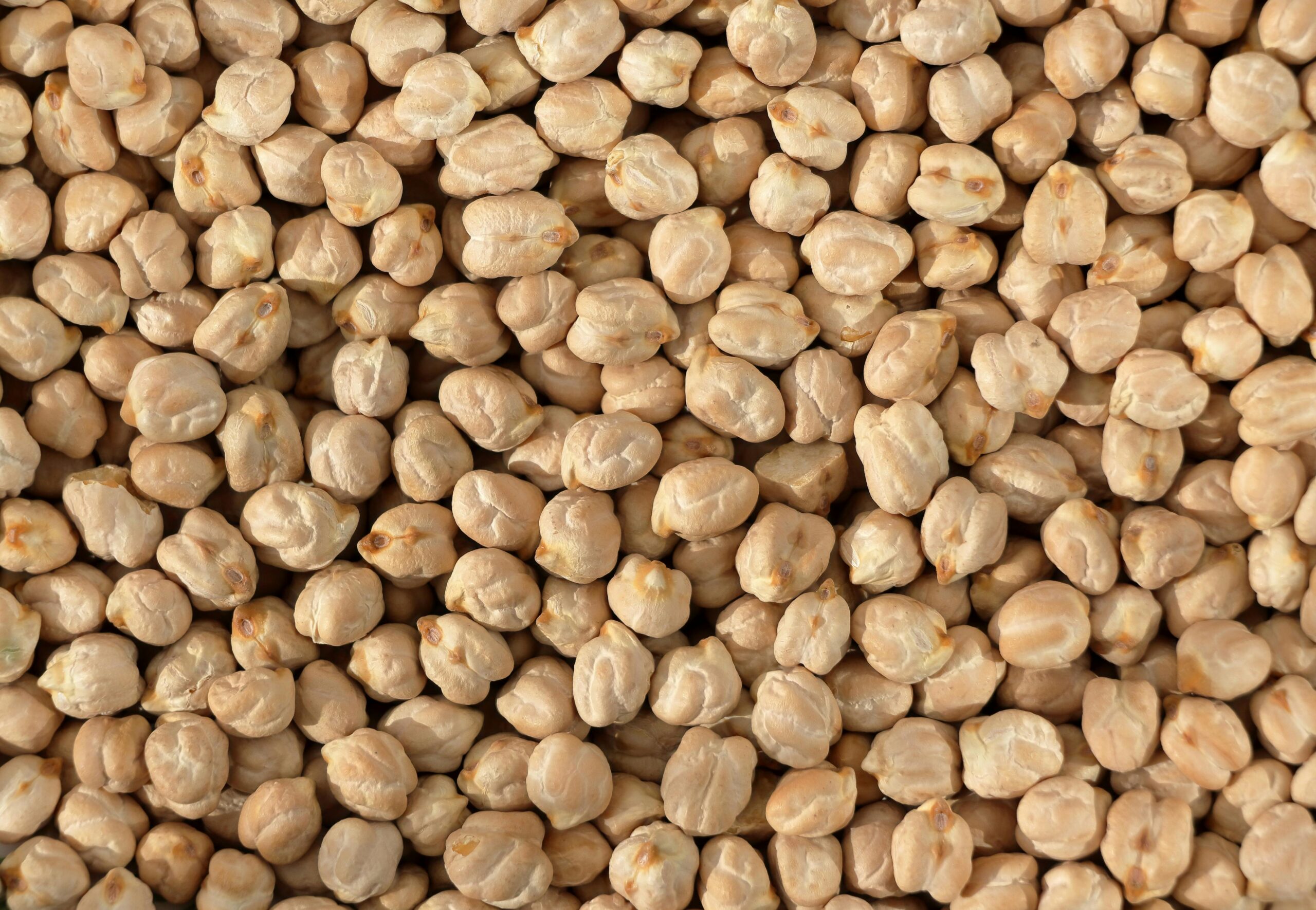
Gram, better known as Chickpea or Bengal Gram, is the most important pulse crop in India, accounting for nearly 45% of total pulse production. As of February 27, 2026, the crop is in its peak “pod formation” and “maturity” stages across the country.
1. Production Snapshot (2025–2026)
India is the world’s largest producer, consumer, and importer of gram.
-
National Output: For the 2025–26 Rabi season, production is forecasted at approximately 11 to 11.5 million metric tons.
-
Acreage Shift: There has been a slight contraction in planted area (estimated at 22.3 million acres) as some farmers in the North shifted to wheat and mustard due to better market returns.
-
Yield: Despite lower acreage, yields are expected to be higher this year (approx. 18 bushels/acre) due to excellent soil moisture from the late 2025 monsoon.
2. Leading States (2026 Rankings)
The production of gram is concentrated in the central and western parts of India.
| State | Role in 2026 | Characteristics |
| Maharashtra | #1 Producer | Contributes ~26% of India’s gram. It has overtaken MP in recent years due to massive adoption of heat-tolerant varieties. |
| Madhya Pradesh | #2 Producer | The traditional hub. Production focused in the Malwa and Bundelkhand regions. |
| Rajasthan | #3 Producer | Known for high-quality Desi gram; Bikaner and Hanumangarh are major centers. |
| Gujarat | Major Hub | Significant producer of the larger Kabuli variety (white chickpeas). |
3. Prices & Government Support (2025–26)
The government has been aggressive in raising support prices to achieve “Pulses Self-Sufficiency” by 2027.
-
MSP for 2025–26: ₹5,650 per quintal.
-
New MSP (2026–27): Already announced at ₹5,875 per quintal (an increase of ₹225).
-
Market Status (Feb 2026): In major mandis (like Indore and Akola), prices are currently trading above MSP (around ₹6,100–₹6,400) because of high domestic demand and lower carry-over stocks from last year.
4. Current Challenges (February 2026)
-
Weather Alert: As of this week, the IMD has issued advisories for light rain and thunderstorms in Central India. Farmers are advised to postpone irrigation to prevent “lodging” (plants falling over).
-
Pod Borer Pest: This is the critical window for the Helicoverpa armigera (pod borer). Farmers are currently being advised to monitor their fields and use bio-pesticides or pheromone traps.
-
Heat Stress: A sudden rise in temperature in late February can cause “forced maturity,” where the grain doesn’t fill properly, leading to shriveled seeds.
5. Varieties: Desi vs. Kabuli
In India, the market is split into two distinct types:
-
Desi Gram (80% of production): Small, dark seeds with a rough coat. Used for Chana Dal and Besan (flour).
-
Kabuli Gram (20% of production): Large, beige, smooth seeds. Higher market value; primarily used in salads and gourmet dishes like Chole.
Gram (Bengal Gram or Chickpea) is India’s most vital pulse, accounting for roughly 45-50% of the country’s total pulse production. As of February 27, 2026, the crop is in its peak maturity and early harvesting stages across the central and western belts.
1. 2026 Production & State Rankings
For the 2025–26 Rabi season, India’s gram production remains robust, though acreage has seen a slight shift toward more profitable mustard in northern states.
Rank State 2026 Status 1 Maharashtra Now the leading producer (~27% share). Farmers here have widely adopted heat-tolerant varieties to combat early summers. 2 Madhya Pradesh The traditional hub. While it ranks second, it remains the “pulse basket” for high-quality Desi varieties. 3 Rajasthan A major producer of Desi gram, though some acreage in the north (Ganganagar/Bikaner) was diverted to mustard this year. 4 Gujarat Focuses heavily on the larger Kabuli (white) varieties which command a premium price in export markets.
2. Prices & Government Support (2025–2026)
The government is pushing hard for “Pulses Self-Sufficiency” by 2027, leading to significant support price hikes.
-
MSP for 2025–26: Fixed at ₹5,650 per quintal.
-
Next Season (2026–27): The government has already announced a hike to ₹5,875 per quintal (an increase of ₹225).
-
Current Market Price (Feb 2026): In major mandis like Akola and Indore, gram is trading above MSP (around ₹6,000–₹6,400) due to low carry-over stocks and high demand for besan (flour).
-
Procurement: On February 24, 2026, the Centre approved the massive procurement of gram under the Price Support Scheme to ensure farmers aren’t hit by a price crash during peak March arrivals.
3. Climate Watch: The “February Heat”
As of this week, the primary concern for gram farmers is the above-normal temperature recorded in late February.
-
Impact: Maximum temperatures are 2-4°C above average in parts of Rajasthan, MP, and Gujarat. This “terminal heat” can lead to forced maturity, causing the seeds to shrivel and reducing the overall yield.
-
Advice: The IMD has advised farmers to apply light, frequent irrigation to maintain soil moisture during these final pod-filling stages to prevent yield loss.
4. Key Varieties in 2026
Indian agricultural scientists have introduced several “Climate-Smart” varieties that are being harvested right now:
-
JAKI 9218: Very popular in Maharashtra and MP for its high yield and drought tolerance.
-
Pusa Chickpea 10216: A drought-tolerant variety developed using molecular breeding, widely used in the Bundelkhand region.
-
RVG 202: Known for its resistance to Fusarium Wilt, a major disease that can wipe out gram crops.
5. Trade & Consumption
India remains the world’s largest consumer of gram. In 2026, the demand is particularly high for:
-
Direct Food: Whole gram and dal.
-
Industrial Use: Besan (gram flour) demand is surging in the snack food industry (Namkeen and Bhujia).
-
Imports: To keep prices stable, India has extended duty-free imports of yellow peas (a common substitute for gram) through mid-2026.
-
