
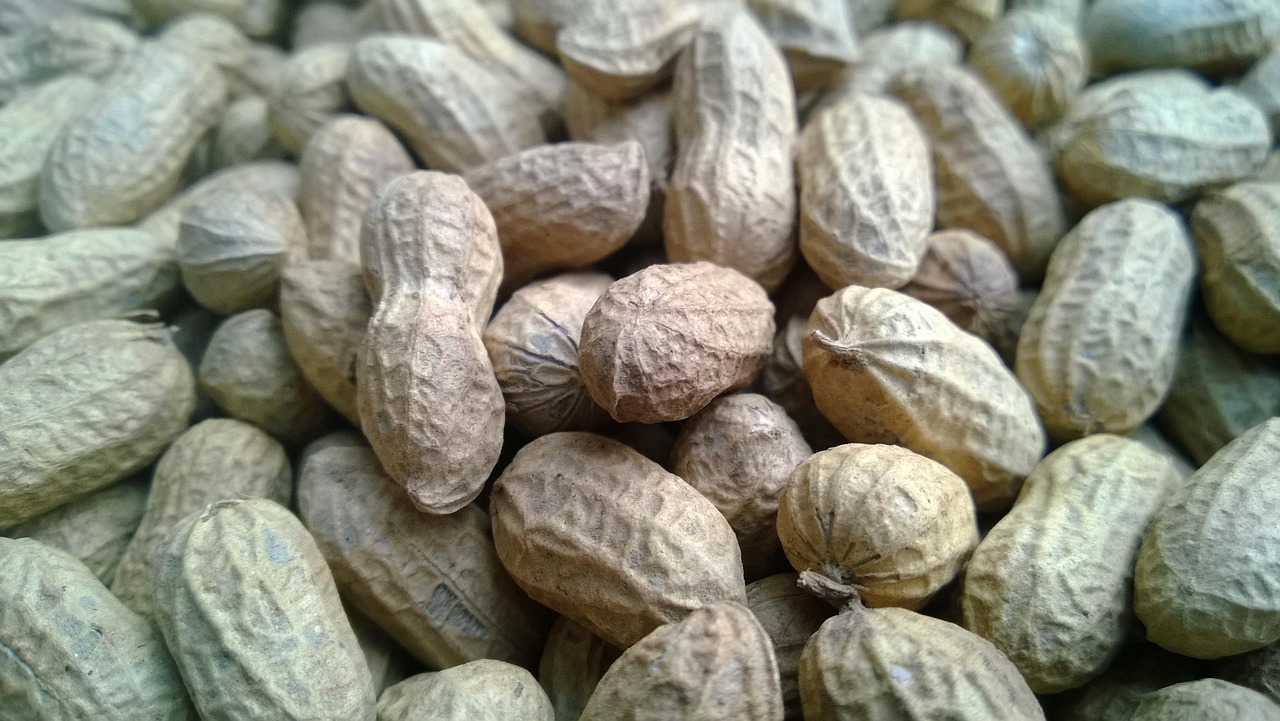
Groundnut (or peanut) is India’s second-largest oilseed crop after soybean. As of late February 2026, the industry is seeing high momentum due to increased government support and a global shift toward healthy, high-oleic oils.
1. Production & Leading States (2025–26)
India is the world’s second-largest producer of groundnut, following China. The 2025–26 Kharif (monsoon) season saw a significant jump in cultivation as farmers shifted away from less profitable cotton.
-
National Production: Estimated at 11.1 million metric tons for the 2025–26 Kharif season, up from 10.4 million tons last year.
-
Top Producer: Gujarat remains the powerhouse, contributing over 55% of India’s output (~6.6 million tons).
-
Other Key States: Rajasthan (2.2M tons), Madhya Pradesh, and Tamil Nadu follow.
-
Summer Sowing (Feb 2026): As of mid-February 2026, summer groundnut sowing has begun in Gujarat, though it is currently at a slower pace (approx. 944 hectares) compared to last year.
2. 2026 Pricing & Government Support
To protect farmers from price drops caused by high production, the Indian government has significantly increased support levels.
-
MSP for 2025–26: Fixed at ₹7,263 per quintal (an increase of ₹480 over the previous year).
-
Market Reality (Feb 2026): In major mandis like Rajkot, prices have been volatile. While the “modal” price has occasionally touched ₹8,000 for high quality, average arrivals are trading between ₹5,000 and ₹5,500, prompting the government to initiate massive procurement via NAFED to support the MSP.
3. High-Oleic “Super” Varieties
The biggest technological trend in 2026 is the adoption of High-Oleic Groundnuts, which have a chemical profile similar to olive oil.
-
Girnar 4 & 5: These “heart-healthy” varieties are gaining ground because they have a longer shelf life (up to 6 months) and are preferred by the confectionery and peanut butter industries.
-
Kadri Lepakshi (K6): Highly popular in Andhra Pradesh and Karnataka for its tall growth and high yield (up to 22 quintals/ha).
-
GG40 (ICGV 16668): A new high-yielding, drought-tolerant Spanish-type variety released for national cultivation in early 2026, specifically targeting states like Rajasthan and Gujarat.
4. Exports & Trade Dynamics
India is a dominant player in the global groundnut trade, but 2026 has brought unique challenges:
-
The Indonesia Halt: In late 2025, Indonesia (India’s largest groundnut buyer) temporarily paused imports due to concerns over Aflatoxin (a toxin produced by certain molds).
-
The China Surge: Conversely, Indian exports to China surged by over 2,000% recently, as Indian groundnuts filled the gap left by a decline in U.S. exports.
-
Standard Update: As of November 1, 2025, India implemented stricter quality and safety standards for all exported peanuts to ensure better global competitiveness in 2026.
5. Summary: 2026 Market Outlook
| Metric | 2026 Status |
| National Yield (Avg) | 1.33 Metric Tons per Hectare |
| Domestic Consumption | Rising (~49M Tons globally) |
| MSP (2025-26) | ₹7,263 / quintal |
| Top Use Case | Edible Oil (92% of Asian market) & Confectionery |
In India, groundnut is a cornerstone of the oilseed sector, often dubbed the “King of Oilseeds.” As of February 27, 2026, the industry is characterized by expanding acreage and a strategic shift in international trade.
1. Production Status (2025–26)
Following a favorable monsoon in 2025, India has seen a significant boost in groundnut cultivation as farmers moved away from cotton due to better price realizations.
-
National Production: Estimated at 7.5 million metric tons (MMT) for the current marketing year, a 2% increase over the previous year.
-
Cultivation Area: Area planted reached 5.62 million hectares, driven by timely rainfall during the sowing season.
-
Yield: Productivity remains stable at around 1.33 MT per hectare.
2. Leading States (2026)
Groundnut cultivation is concentrated in the western and southern belts of India.
| State | 2026 Production Profile |
| Gujarat | The Unchallenged Leader: Accounts for nearly 55–60% of India’s output. The Saurashtra and Kutch regions are the primary hubs. |
| Rajasthan | The second-largest producer; districts like Bikaner and Jodhpur have seen massive growth due to improved irrigation. |
| Madhya Pradesh | Noted for high-quality bold varieties, contributing roughly 10% to the national pool. |
| Tamil Nadu & Andhra Pradesh | Major centers for the Rabi/Summer crop, focusing on food-grade and confectionery peanuts. |
3. Prices & Government Support (2025–26)
To support the increase in production, the government has provided a strong price floor.
-
Minimum Support Price (MSP): For the 2025–26 season, the MSP is set at ₹7,263 per quintal, an increase of ₹480 from the previous year.
-
Current Market Price: As of late February 2026, mandi prices in Gujarat (Rajkot/Jamnagar) are trading between ₹6,000 and ₹7,500, with high-quality “Bold” varieties often exceeding the MSP.
-
Procurement: Government agencies (NAFED) are actively buying stocks in Gujarat and Rajasthan to prevent prices from crashing during the peak arrival season.
4. Trade & Global Dynamics
2026 has been a landmark year for Indian groundnut exports:
-
Export Growth: Indian exports are projected to rise by 16% to 928,000 metric tons.
-
The “China Factor”: Indian peanut exports to China surged by over 2,000% recently, as India filled the supply gap left by lower U.S. exports.
-
New Standards: Stricter quality and safety regulations (effective Nov 2025) have improved India’s reputation in high-value markets like the UK and EU, following the India-UK Free Trade Agreement signed in May 2025.
5. Current Challenges & Trends
-
Climate Stress: While the overall monsoon was good, some regions in Gujarat faced a mid-season dry spell followed by excessive late rains, which slightly lowered local productivity.
-
Shift to “Super Varieties”: There is a massive 2026 push for High-Oleic varieties (like Girnar 4 and 5). These “heart-healthy” nuts have a longer shelf life and are in high demand for making peanut butter.
-
Digital Mandis: More farmers in 2026 are using the e-NAM platform for real-time price discovery, reducing their dependence on local middlemen.
