
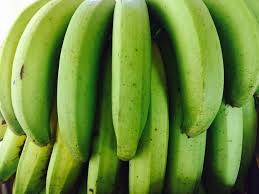
Introduction: The Green Gold of Andhra Pradesh
Banana, known locally as Arati Pandu, is the most important fruit crop in Andhra Pradesh, both in terms of area and production. The state is often referred to as the “Banana Bowl of India” and is a leading producer, supplying high-quality bananas to markets across the country. It is a high-investment, high-return crop that forms the backbone of the state’s horticultural economy.
1. Importance and Ranking
National Leader: Andhra Pradesh is consistently the top banana-producing state in India, contributing a massive share of the country’s total production.
Economic Powerhouse: It is one of the most profitable agricultural enterprises, providing a significant and rapid return on investment, which has led to the rise of large-scale, commercial banana plantations.
Employment Generator: The sector provides extensive employment, from field preparation and planting to harvesting, packing, and transportation.
2. Major Growing Regions (The Banana Belt)
Banana cultivation thrives in the fertile, irrigated plains of coastal Andhra.
East Godavari District: The undisputed capital of banana cultivation in Andhra Pradesh. The district has the largest area and highest production.
West Godavari District: Another massive producer, sharing the advantages of the Godavari delta.
Krishna District: The Krishna delta also supports extensive banana plantations.
Visakhapatnam District: A significant contributor, particularly in the agency and plain areas.
Other Districts: Grown in parts of Guntur, Srikakulam, and Vizianagaram.
3. Agro-Climatic Conditions and Varieties
Climate: Banana is a tropical crop that requires a hot and humid climate. It thrives in temperatures between 15°C – 35°C and is highly sensitive to frost and strong winds.
Soil: It grows best in deep, well-drained, fertile, loamy soils rich in organic matter. The alluvial soils of the river deltas are perfectly suited.
Water: It is a water-intensive crop and requires a reliable and abundant source of irrigation, typically through canals or borewells. Drip irrigation is widely adopted for efficiency.
Popular Varieties:
Grand Naine (G9): This is the dominant commercial variety, covering over 90% of the area. It is preferred for its:
Short stature (wind-resistant)
High yield
Good transportability
Attractive, straight fruits
Robusta (G1): Was once popular but has been largely replaced by Grand Naine.
Dwarf Cavendish: Grown in some areas.
Local Varieties: Rasthali, Amritapani, Poovan are grown for local markets due to their unique taste but are not suited for long-distance transport.
4. The Cultivation Cycle: Precision Agriculture
Banana cultivation is a highly managed, precision-based activity.
Planting Material: Tissue culture plants are universally used in commercial plantations. They are disease-free, uniform, and ensure a synchronized harvest.
Planting: Planting is done year-round, but is often scheduled to avoid flowering during peak winter or summer.
Intensive Management: The crop requires meticulous care:
Fertigation: Fertilizers are applied through the drip irrigation system for maximum efficiency.
Propping: Supporting the plants with bamboo or ropes to prevent them from falling over under the weight of the bunch.
Desuckering: Removing unwanted side shoots to direct all energy to the main plant.
Bunch Covering: Covering the bunch with blue polyethylene sleeves to protect it from pests, sunburn, and to improve color.
Harvesting: The crop matures in about 12-14 months. The bunches are harvested at a mature green stage by cutting the entire pseudostem. Harvesting is a skilled job to avoid damaging the fruit.
Post-Harvest: The bunches are de-handed, cleaned, graded, and packed in cardboard boxes for transport to distant markets.
5. Economic and Industrial Importance
Fresh Fruit Market: The primary market. Andhra’s bananas are supplied to all major cities in India, including Delhi, Mumbai, Kolkata, and Chennai.
Value-Added Products: A portion is used for processing into chips, puree, and baby food.
By-Products:
Banana Fibre: Used to make products like paper, bags, and handicrafts.
Banana Leaves: Used as natural plates and in food packaging.
Pseudostem: Used as a vegetable and for extracting fibre.
Export: There is a growing export market to the Middle East and other regions.
6. Major Challenges
Despite its profitability, banana cultivation is fraught with high risks:
Pest Infestations:
Pseudostem Borer: A major pest that tunnels into the stem, weakening the plant.
Nematodes: Microscopic worms that attack the roots, reducing water and nutrient uptake.
Thrips and Aphids: Sap-sucking insects.
Diseases:
Fusarium Wilt (Panama Disease): A devastating soil-borne fungal disease. Once a field is infected, it can remain so for decades, making it unusable for bananas. The Tropical Race 4 (TR4) strain is a major global threat.
Sigatoka Leaf Spot: A fungal disease that can severely reduce yields by destroying the leaf canopy.
Bunchy Top Virus: A viral disease transmitted by aphids that stunts the plant and prevents fruiting.
Cyclones: The coastal region is prone to cyclones, which can flatten entire plantations.
Water Scarcity: The crop’s high water demand is a concern in areas facing groundwater depletion.
High Initial Investment: The cost of tissue culture plants, drip irrigation, and inputs is very high.
Government Initiatives and The Way Forward
Per Drop More Crop: Promoting micro-irrigation (drip and fertigation) to improve water use efficiency.
Integrated Pest Management (IPM): Encouraging the use of biocontrol agents, pheromone traps, and soil amendments to manage pests and diseases.
Crop Insurance: Providing insurance against natural calamities like cyclones.
Research: Developing disease-resistant varieties and promoting soil health management to combat Fusarium wilt.
Conclusion
Banana in Andhra Pradesh is a story of agricultural ambition and commercial success. It showcases how a traditional fruit can be transformed into a global commodity through technology and intensive management. However, this “Green Gold” is under constant threat from diseases and climate extremes. The future of sustainable banana cultivation in the state depends on adopting climate-resilient practices, stringent biosecurity to prevent disease, and efficient water management to ensure that the “Banana Bowl of India” continues to thrive.
