
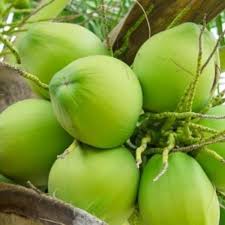
Introduction: The Coastal Lifeline
Coconut is an integral part of the rural landscape and economy of coastal Andhra Pradesh. While not the largest producer in India (that title often goes to states like Kerala, Tamil Nadu, and Karnataka), Andhra Pradesh holds a significant position and is known for its productive gardens and the importance of coconut in the daily life of its people.
1. Importance and Ranking
National Standing: Andhra Pradesh is a major coconut-growing state, consistently ranking among the top five producers in India.
“Kalpavriksha” (The Tree of Life): True to its name, the coconut tree is a source of food, drink, fiber, timber, and fuel, providing a sustainable livelihood for thousands of farming families.
2. Major Growing Regions: The Coastal Belt
Coconut is predominantly a crop of the coastal plains, where the humid, tropical climate and alluvial soils are ideal.
East Godavari District: The undisputed leader in coconut production in the state. The vast gardens in the Godavari delta are a defining feature of the landscape.
West Godavari District: Another major producer, sharing the advantages of the fertile delta region.
Visakhapatnam District: Has significant coastline under coconut cultivation.
Srikakulam & Vizianagaram Districts: Important northern coastal districts for coconut.
Krishna District: The Krishna delta also supports extensive coconut cultivation.
3. Agro-Climatic Conditions and Varieties
Climate: A warm and humid coastal tropical climate is perfect. It requires an annual rainfall of 1000-1500 mm and temperatures between 20°C – 32°C.
Soil: Thrives best in well-drained, sandy loam soils. The alluvial soils of the river deltas and the sandy tracts along the coast are highly suitable. The crop is moderately tolerant of salinity.
Water: While it can withstand some drought, assured irrigation (through canals or groundwater) is crucial for high yields, especially in the summer months.
Popular Varieties:
Tall Varieties: Such as the West Coast Tall, are common and known for their hardiness and higher oil content.
Dwarf Varieties: Like Chowghat Orange Dwarf (COD) and Chowghat Green Dwarf (CGD), are preferred for early bearing and tender coconut production.
Hybrids: High-yielding hybrids like Chandra Kalpa and Kera Sagara are increasingly popular among farmers for their higher productivity and disease resistance.
4. The Cultivation Cycle and Practices
Coconut is a perennial crop with a long lifecycle.
Planting: Seed nuts from selected mother palms are sown in nurseries and then transplanted to the main field after 9-12 months.
Bearing: The tree starts yielding fruit in about 6-8 years after planting (sooner for dwarf varieties) and reaches full bearing capacity in 15-20 years.
Productive Life: A healthy coconut palm can remain economically productive for 60-80 years.
Harvesting: Harvesting is a continuous process, with bunches of coconuts being harvested every 45-60 days. This requires skilled climbers.
Intercropping: A key feature of coconut gardens in Andhra Pradesh is intercropping. Farmers successfully grow crops like Banana, Pineapple, Tapioca, Black Pepper, and Cocoa between the coconut palms, maximizing income from the same piece of land.
5. Economic and Cultural Importance
The coconut’s significance is multi-faceted:
Multi-Use Tree: Every part of the tree is used, making it an incredibly sustainable resource.
Food and Drink:
Tender Coconut: Sold as a refreshing, nutritious drink in towns and cities.
Coconut Oil: A primary product, used extensively for cooking, hair care, and in the manufacture of soaps and cosmetics.
Copra: The dried kernel is crushed to extract oil.
Desiccated Coconut: Used in confectionery and bakeries.
Fiber and Timber:
Coir: The fiber from the husk is used to make ropes, mats, mattresses, and geotextiles.
Timber: The trunk is used for construction and making furniture.
Religious and Cultural Significance: The coconut is an essential item in religious rituals, festivals, and ceremonies across the state.
Employment: The sector provides year-round employment in farming, harvesting, processing (de-husking, copra making, oil extraction), and coir product manufacturing.
6. Major Challenges
Coconut cultivation in Andhra Pradesh faces several serious threats:
Pest Infestations:
Rhinoceros Beetle: This is a major pest that bores into the crown of the palm, damaging growing tissues and reducing yield.
Red Palm Weevil: A lethal pest whose larvae bore into the trunk, often killing the tree.
Eriophyid Mite: Infests the buttons (young fruits) and inflorescence, causing premature nut fall and yield loss.
Diseases:
Root Wilt Disease: A major problem that causes wilting and yield decline.
Bud Rot: A fungal disease that can kill the palm if not treated.
Price Fluctuations: The price of copra and coconut oil is highly volatile, impacting farmers’ incomes.
Climate Change: Increasing frequency of cyclones (like Titli, Hudhud) in the coastal areas causes massive damage to coconut plantations, uprooting trees and destroying crops. Erratic rainfall patterns also affect productivity.
Labor Shortage: Skilled climbers for harvesting are becoming scarce and expensive.
Government Initiatives and the Future
Technology Mission on Coconut: A central government scheme that promotes area expansion, productivity improvement, and processing.
Neera and Toddy Tapping: There is a push to promote the tapping of Neera (a sweet, non-alcoholic sap) and toddy, which can provide an additional, steady source of income for farmers.
Integrated Pest Management (IPM): Promotion of biological controls (e.g., green muscardine fungus for beetle control) and pheromone traps to reduce pesticide use.
Insurance Schemes: To protect farmers from losses due to cyclones and other natural calamities.
Conclusion
Coconut is a cornerstone of the coastal agrarian economy in Andhra Pradesh. It is a symbol of sustainability, providing a continuous source of income and products. While it faces significant challenges from pests, diseases, and climate extremes, its deep-rooted cultural and economic importance ensures it remains a vital crop. The future lies in adopting scientific management practices, diversifying into value-added products like Neera, and building resilience against climate vulnerabilities to secure the livelihoods of the thousands who depend on this “Tree of Life.”
