
Introduction: The Fragrant Leaf and Seed
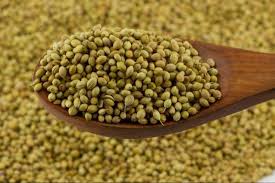
Coriander, known locally as Kothimeera (for the leaves) and Dhaniyalu (for the seeds), is one of the most important and widely used condiment crops in Andhra Pradesh. It is a dual-purpose crop, valued for its fresh green leaves as a garnish and its dried seeds as a key spice in countless dishes.
1. Importance and Ranking
Essential Kitchen Herb: Coriander is indispensable in Andhra cuisine, used daily in almost every household for its fresh aroma and flavor in curries, chutneys, and as a garnish.
Cash Crop: It is a significant Rabi season cash crop for farmers, especially in specific regions, due to its short duration and high market demand.
National Producer: While not the largest producer (Rajasthan and Madhya Pradesh lead), Andhra Pradesh is a notable contributor, especially for supplying the southern states.
2. Major Growing Regions
Coriander is cultivated across the state, but its commercial production is concentrated in the drier, semi-arid districts.
Kurnool District: A major hub for coriander seed production.
Prakasam District: Another significant producer.
Anantapur District: Grown extensively in the Rabi season.
Guntur & Nellore Districts: Also have considerable area under coriander.
Y.S.R. (Kadapa) District: A notable contributor.
3. Agro-Climatic Conditions and Varieties
Climate: Coriander is a cool-season crop (Rabi). It thrives in a cool, dry, frost-free climate during its growth period.
Critical Factor: Hot weather during flowering and seed formation leads to premature formation of small seeds and reduced yield. The winter climate in the Rayalaseema and Prakasam regions is ideal.
Soil: It grows best in well-drained, loamy soils. It is moderately tolerant to salinity.
Season: It is predominantly a Rabi crop.
Sowing: October – November
Harvesting (for seed): February – March
Popular Varieties:
Seed Varieties: Grown specifically for high grain yield.
Sadhana, Sudha, Swathi, Rajendra Swathi
Co (Coimbatore) varieties: CO 1, CO 2, CO 3
Leaf Varieties: Some varieties are selected for vigorous leaf growth.
4. The Cultivation Cycle
Sowing: Seeds are sown directly in the field by broadcasting or in rows. The seeds are actually dried fruits, so they are split or crushed before sowing to improve germination.
Growing Period: The crop has a very short duration of 90-110 days for seed production. For leaf purpose, it can be harvested much earlier.
Dual Harvesting (in some cases):
Leaf Harvest: Farmers may take one or two cuttings of the fresh leaves for the market before allowing the plant to flower and set seed.
Seed Harvest: The primary harvest is for the seeds. The plants are cut when the seeds turn from green to brownish-yellow and are partially dried.
Threshing and Drying: The harvested plants are dried in the sun on threshing floors. The seeds are then separated by beating the plants and winnowing.
5. Economic and Culinary Importance
Daily Consumption: Fresh coriander leaves are a non-negotiable part of the daily grocery list in Andhra homes, ensuring a constant and high demand.
Key Spice: Coriander seeds are a fundamental spice in Andhra cuisine, used whole in tempering or ground into powder for curry bases, pickles, and masala mixes.
Export: India is a major exporter of coriander seeds, and the produce from Andhra Pradesh contributes to this.
Essential Oils: The seeds are also used for extracting essential oils and oleoresins for the food and beverage industry.
Medicinal Value: Both leaves and seeds are used in traditional medicine for their digestive and anti-inflammatory properties.
6. Major Challenges
Coriander cultivation, despite its short duration, faces several challenges:
Pest Infestations:
Aphids: Sap-sucking insects that can stunt growth.
Stem Gall: A serious pest where insects form galls on the stems and branches, disrupting nutrient flow.
Weevils: Can infest stored seeds.
Diseases:
Grain Mold and Blight: Fungal diseases that can affect the seeds, especially if there is rain at the time of maturity.
Wilt: A soil-borne fungal disease.
Weather Sensitivity: The crop is highly sensitive to unseasonal rains or high humidity at maturity, which can cause the seeds to discolor (turn black) and develop mold, drastically reducing their market value.
Price Volatility: As a high-demand but seasonally produced crop, prices can be highly volatile. A glut in the market can lead to a price crash.
Government Initiatives and The Way Forward
Improved Varieties: Promotion of high-yielding, disease-resistant, and wilt-tolerant varieties to stabilize production.
Integrated Pest Management (IPM): Encouraging the use of bio-pesticides and proper field sanitation to control pests like aphids and stem gall.
Protection from Rain: Advising farmers on proper drying techniques and the use of tarpaulins to quickly cover the harvested crop in case of unexpected rain.
Market Intelligence: Providing farmers with price forecasts and market information to help them decide the best time to sell.
Conclusion
Coriander in Andhra Pradesh is a crop of daily necessity and economic opportunity. Its short duration allows it to fit perfectly into the Rabi season rotation, providing a quick source of income for farmers. While challenges from pests and weather are significant, the unwavering demand for both its leaves and seeds in Indian kitchens ensures its continued cultivation. The key to sustainable coriander farming lies in adopting resilient varieties, managing pests effectively, and protecting the harvest from weather damage to ensure that this fragrant herb remains a profitable and reliable crop for the state’s farmers.
