
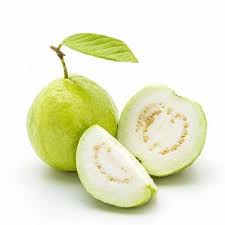
Introduction: The “Apple of the Tropics” in Andhra
Guava, known locally as Jama, is a crucial fruit crop in Andhra Pradesh, celebrated for its hardiness, high nutritional value, and year-round income potential. Often called the “poor man’s apple,” it has become a rich source of income for farmers due to its low maintenance and high demand.
1. Importance and Ranking
Major Producer: Andhra Pradesh is one of the leading guava-producing states in India, consistently ranking among the top producers alongside Uttar Pradesh, Madhya Pradesh, and Bihar.
Small Farmer’s Friend: It is ideally suited for small and marginal farmers due to its low input costs, high yield, and ability to grow in marginal soils.
Year-Round Harvest: With careful management, guava can be made to yield fruit multiple times a year, providing a continuous cash flow.
2. Major Growing Regions
Guava is widely adapted and grown across the state, but commercial cultivation is concentrated in specific districts.
East Godavari District: A major hub for high-quality guava production.
West Godavari District: Another significant producer in the fertile delta.
Krishna District: Known for its commercial orchards.
Visakhapatnam District: Extensive cultivation in the plains.
Anantapur & Kurnool Districts: Grown under irrigation in the Rayalaseema region.
3. Agro-Climatic Conditions and Varieties
Climate: Guava is a hardy tropical fruit tree that can tolerate drought and a wide range of climatic conditions. It thrives in a warm, humid climate but is sensitive to severe frost.
Soil: It is remarkably adaptable and can grow in a variety of soils, from sandy loam to clayey loam. It prefers well-drained, deep soils with a pH of 6.5 to 7.5. It can tolerate slightly alkaline conditions.
Popular Varieties: Andhra Pradesh grows a mix of traditional and high-yielding varieties.
Allahabad Safeda: The most popular commercial variety. Known for its round, medium-sized fruits with white, firm flesh and few seeds.
Lucknow-49 (Sardar): A high-yielding variety with large, greenish-yellow fruits.
Taiwan Pink (Lalit): Known for its attractive pink pulp and sweet taste.
Local Seedlings: Many farmers still propagate from seeds, leading to variability in fruit quality, but these trees are often very hardy.
4. The Cultivation Cycle and Management
Guava is a perennial tree with a long productive life.
Planting: Usually planted at the beginning of the monsoon season using grafted plants for uniform quality.
Bearing: A grafted guava tree can start bearing fruit within 2-3 years of planting.
Flowering and Fruiting: Guava flowers on new growth. In Andhra Pradesh, it typically has three distinct seasons:
Ambia Bahar (Monsoon crop): Flowers in March, harvested in July-August.
Mrig Bahar (Winter crop): Flowers in June-July, harvested in November-December. This is often the main crop for quality.
Hasth Bahar (Spring crop): Flowers in October, harvested in February-March.
Farmers often regulate flowering (through water stress and pruning) to target the most profitable season.
Harvesting: Fruits are harvested when they are mature but firm. They are clipped from the tree to avoid damage.
5. Economic and Nutritional Importance
Nutritional Powerhouse: Guava is exceptionally rich in Vitamin C (often higher than oranges), dietary fiber, and antioxidants. It is a true “superfood.”
Versatile Usage:
Table Fruit: Consumed fresh.
Processed Products: Used to make jams, jellies, nectar, and canned goods.
High Profitability: Its low maintenance cost, high yield, and consistent market demand make it one of the most profitable fruit crops per unit area.
Drought Tolerance: Once established, it can survive with minimal irrigation, making it a resilient crop in water-scarce areas.
6. Major Challenges
Despite its hardiness, guava cultivation faces several significant threats:
Pest Infestations:
Fruit Fly: This is the most destructive pest. The larvae (maggots) infest the fruit, making it unmarketable.
Guava Weevil: The larvae bore into the fruit and feed on the pulp.
Mealybug: Sucks sap from leaves and shoots, and promotes sooty mold.
Diseases:
Guava Wilt: A devastating soil-borne fungal disease that causes wilting, defoliation, and death of the tree. It is a major problem in many old orchards.
Anthracnose: A fungal disease that causes dark, sunken lesions on fruits, especially during the rainy season.
Short Shelf Life: Ripe guavas are highly perishable and need to be marketed quickly, leading to distress sales if there is a glut.
Lack of Organized Marketing: Farmers often depend on local traders and may not get a remunerative price.
Government Initiatives and The Way Forward
Integrated Pest Management (IPM):
Fruit Fly Management: Promotion of pheromone traps, bait traps, and sanitation (collecting and destroying fallen fruits).
Use of Bio-agents: For controlling mealybugs and other pests.
Wilt Management: Promoting the use of wilt-resistant rootstocks and soil solarization to reduce fungal load.
High-Density Planting (HDP): Encouraging high-density orchards with improved varieties to increase yield and make harvesting easier.
Post-Harvest Management & Processing: Promoting small-scale processing units for making pulp, jelly, and powder to add value and reduce post-harvest losses.
Conclusion
Guava in Andhra Pradesh is a model of sustainable and profitable horticulture. It is a resilient crop that empowers small farmers with a steady income. While challenges from wilt and fruit flies are significant, they can be managed through scientific orchard practices and integrated management strategies. By focusing on improved varieties, better post-harvest handling, and market linkages, guava will continue to be a cornerstone of the state’s fruit economy, delivering both health and wealth.
