
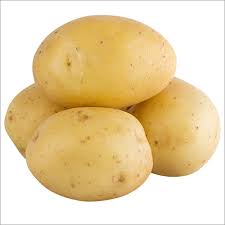
Introduction: The Rabi Tuber in a Rice-Dominated State
While Andhra Pradesh is not a traditional potato-growing state like Uttar Pradesh or West Bengal, it has carved out a significant and highly productive niche for potato cultivation. It is primarily grown as a Rabi (winter) season crop in specific regions where the climate is favorable, serving as a high-value cash crop for farmers.
1. Importance and Ranking
Regional Significance: Andhra Pradesh is not a major national producer, but it is an important producer for South India. It helps meet the regional demand, reducing dependence on supplies from North India.
High-Value Cash Crop: For farmers in the cultivating regions, potato is a highly profitable venture due to its high yield per unit area and strong market demand.
Table Purpose: The potatoes grown in Andhra Pradesh are predominantly for fresh consumption (table purpose) as opposed to processing into chips or fries.
2. Major Growing Regions
Potato cultivation in Andhra Pradesh is highly concentrated in a few districts that offer the required cool winter climate, primarily in the Rayalaseema region.
Kurnool District: The undisputed potato hub of Andhra Pradesh. The areas around Nandyal, Banaganapalle, and Dhone are the epicenter of production.
Anantapur District: The second major producer, with significant cultivation.
Chittoor District: Also contributes to the state’s output, leveraging its slightly cooler climate.
3. Agro-Climatic Conditions and Varieties
Climate: Potato is a cool-season crop. It requires a frost-free, cool, and dry climate with sunny days and cool nights for tuber formation. The winter climate (Rabi season) in the Rayalaseema uplands provides this ideal window.
Ideal Temperature: 15°C – 25°C
Tuber formation is optimal at soil temperatures of 17°C – 19°C.
Soil: It grows best in well-drained, sandy loam to loamy soils that are rich in organic matter. Good drainage is critical to prevent tuber rot.
Season: It is exclusively a Rabi crop in Andhra Pradesh.
Sowing: October – November
Harvesting: January – February
Irrigation: Being grown in the dry winter, the crop is heavily dependent on irrigation from canals, tanks, and groundwater.
Popular Varieties:
Kufri Series: Early-maturing and high-yielding varieties from the Central Potato Research Institute (CPRI) are dominant.
Kufri Jyoti: Very popular for its adaptability and yield.
Kufri Chandramukhi: An early-maturing variety.
Kufri Lauvkar: Also widely cultivated.
Atlantic: Grown in some areas, known for its processing quality, but the primary focus remains on table varieties.
4. The Cultivation Cycle
Seed Tuber Preparation: Farmers use certified seed tubers (not seeds from the plant). These are often cut into pieces, each with at least one “eye” (bud), and treated with fungicides before planting.
Planting: The seed pieces are planted in ridges and furrows to facilitate good tuber development and irrigation.
Growing Period: The crop matures in about 90-110 days. It requires careful management of irrigation, fertilizers, and pests.
Haulm Cutting: A few days before harvest, the aerial part of the plant (the haulm) is cut or desiccated. This helps harden the potato skin, improving its storability and making harvesting easier.
Harvesting: Harvesting is done manually by digging up the tubers. It is a labor-intensive process.
Curing & Storage: After harvest, potatoes are “cured” in the shade for a few days to heal minor wounds. For longer storage, they are kept in cold storages, which are crucial for extending the marketing period and preventing a price crash immediately after harvest.
5. Economic and Market Importance
Cash Crop for Rayalaseema: Potato is a primary source of income for farmers in the Kurnool and Anantapur belts during the Rabi season.
Supply for Southern Markets: The produce from Andhra Pradesh is supplied to major cities within the state as well as to markets in Bangalore, Hyderabad, and Chennai.
Cold Storage Infrastructure: The growth of potato cultivation has led to the development of cold storage facilities in the region, which are essential for price stabilization.
High Input Costs: Cultivation is capital-intensive due to the high cost of certified seeds, irrigation, fertilizers, and pesticides.
6. Major Challenges
Potato farmers in Andhra Pradesh face several significant challenges:
High Cost of Seed Tubers: Farmers are largely dependent on seed tubers brought from North Indian states like Uttar Pradesh and West Bengal. This adds tremendously to the input cost. Producing disease-free seed tubers locally is a challenge.
Pest Infestations:
Aphids: Sap-sucking pests that can also transmit viral diseases.
Diseases:
Late Blight (Phytophthora infestans): The most devastating fungal disease, which can destroy a crop rapidly in cool, humid conditions. It is the same disease that caused the Irish Potato Famine.
Early Blight: Another common fungal disease.
Bacterial Wilt: A soil-borne disease that causes wilting and death of plants.
Water Scarcity: The crop’s high irrigation requirement is a major concern in the water-stressed Rayalaseema region. Over-reliance on groundwater is unsustainable.
Price Volatility: Like other vegetables, potato prices are highly volatile. A bumper crop can lead to a price crash, while crop failure can lead to huge losses.
Government Initiatives and The Way Forward
Promotion of True Potato Seed (TPS): Research is ongoing to promote TPS technology, which can significantly reduce the cost of planting material compared to seed tubers.
Integrated Pest and Disease Management (IPM/IDM): Promotion of blight forecasting models, use of resistant varieties, and judicious use of fungicides.
Development of Local Seed Production: Encouraging the production of certified seed tubers within the state to reduce dependence and costs.
Micro-Irrigation: Promoting drip irrigation to save water and increase efficiency.
Conclusion
Potato in Andhra Pradesh is a story of successful crop diversification and regional specialization. Against the odds of a predominantly tropical climate, farmers in the Rayalaseema region have skillfully utilized the cool winter window to cultivate a high-value cash crop. While challenges related to seed cost, water, and diseases are formidable, the potato’s economic importance ensures its continued place in the state’s agricultural landscape. The future lies in developing sustainable local seed systems, adopting water-efficient practices, and robust disease management to secure the profits of the farmers in the state’s “potato belt.”
