
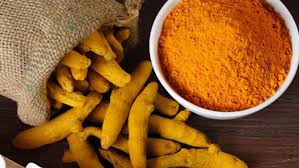
Introduction: The Golden Spice Capital of India
Turmeric, known locally as Pasupu, is not just a crop in Andhra Pradesh; it is a cultural icon and an economic juggernaut. The state is the largest producer of turmeric in India, accounting for a dominant share of the country’s total production. It is often called the “Turmeric Bowl of India,” with its markets setting national and international price trends.
1. Importance and Ranking
National Leader: Andhra Pradesh is the undisputed top turmeric-producing state in India, contributing over 50% of the nation’s output.
Global Significance: Since India is the world’s largest producer, consumer, and exporter of turmeric, Andhra Pradesh’s production is critical to the global supply chain.
Economic Backbone: The “yellow gold” is a primary source of wealth for thousands of farmers and a massive industry involving processing, trading, and export.
2. Major Growing Regions (The Turmeric Belt)
The cultivation is highly concentrated in a specific region known for its ideal soil and climate.
Duggirala in Guntur District: This region is the epicenter and the most prestigious turmeric-growing area in Andhra Pradesh, if not all of India. The turmeric from here is so renowned that “Duggirala Turmeric” is a benchmark for quality.
Nizamabad (now in Telangana, but historically part of the same market): While now in a separate state, the Nizamabad market remains a key price-setting center for the turmeric grown in the broader Telugu-speaking region, including parts of Andhra.
Kurnool District: A major producer with extensive cultivation.
Prakasam & Krishna Districts: Also significant contributors to the state’s output.
3. Agro-Climatic Conditions and Varieties
Climate: Turmeric is a tropical crop that requires a warm and humid climate. It thrives in temperatures between 20°C – 30°C and requires a well-distributed annual rainfall of 1500-2250 mm or assured irrigation.
Soil: It grows best in well-drained, fertile, sandy or clay loam soils rich in organic matter. The black cotton soils of the region are also suitable.
Popular Varieties:
Duggirala (Duggirala Red): The most prized variety, known for its high curcumin content, bold fingers, and bright, deep yellow-orange color.
Kasturi (Kesari): Known for its high aroma and is often used in cosmetic preparations.
Alleppey Finger (from Kerala, but traded in AP markets): Known for its high curcumin and used for oleoresin extraction.
Salem (from Tamil Nadu, but traded in AP markets): Another common variety in the market.
4. The Cultivation and Processing Cycle
Turmeric cultivation is a labor-intensive process that extends from the field to sophisticated processing.
Planting (Apr – May): Fresh rhizomes (seed material) from the previous crop are planted on raised beds with the onset of pre-monsoon rains.
Growing Period (May – Jan): The crop grows for 7-9 months. It requires careful weeding, fertilization, and irrigation.
Harvesting (Jan – Mar): The leaves turn yellow and start drying up, indicating maturity. The entire plant is carefully dug up, and the rhizomes are separated from the leaves.
Processing (The Key to Value Addition): This is a critical step that determines the final quality and price.
Cooking (Boiling): The fresh rhizomes are boiled in water until soft. This process sets the color and makes it easier to dry.
Drying: The cooked rhizomes are spread in the sun for 10-15 days to reduce moisture content.
Polishing: The dried, rough rhizomes are polished in drum polishers to remove the outer skin and rootlets, giving them a smooth, attractive, bright yellow finish.
Coloring (A Major Concern): To enhance the yellow color, some unethical processors illegally use lead chromate or other chemical dyes, which are toxic. The demand for organic and non-adulterated turmeric is rising to combat this.
5. Economic and Cultural Importance
The Guntur Turmeric Market: The Guntur Agricultural Market is the largest and most important turmeric market in Asia. The prices discovered here influence turmeric prices across India and the world.
Export Earnings: Andhra Pradesh’s turmeric is a major foreign exchange earner, exported to the USA, UAE, UK, Iran, Japan, and Sri Lanka in the form of dry rhizomes, powder, and oleoresin.
Curcumin Extraction: The high-curcumin varieties from AP are a prime raw material for extracting curcumin, a powerful anti-inflammatory compound used in pharmaceuticals, nutraceuticals, and cosmetics.
Cultural and Religious Significance: Turmeric is integral to Andhra culture, used in daily cooking, religious ceremonies, and weddings (Pasupu-Kumkuma). It is considered sacred and a symbol of prosperity.
6. Major Challenges
The turmeric sector faces several significant challenges:
Adulteration: The use of illegal chemical dyes to enhance color is the biggest threat to the industry’s reputation and consumer safety.
Pest Infestations:
Rhizome Fly: The maggots tunnel into the rhizomes.
Shoot Borer: Larvae bore into the pseudostems.
Diseases:
Rhizome Rot: A fungal disease that can cause significant yield loss, especially in waterlogged conditions.
Leaf Spot: Can reduce the photosynthetic area.
Price Volatility: Farmers are often at the mercy of traders and volatile market prices.
High Cost of Cultivation: The costs of seed rhizomes, labor for planting and harvesting, and processing are very high.
Government Initiatives and The Way Forward
Combating Adulteration: Strict enforcement of food safety laws and promotion of “No Color Added” or certified organic turmeric.
Geographical Indication (GI) Tag: Efforts are ongoing to secure a GI tag for “Duggirala Turmeric,” which would protect its identity and premium value.
Integrated Pest Management (IPM): Promoting the use of bio-pesticides and proper field sanitation.
Support for Processing Units: Providing subsidies for modern, hygienic boiling and polishing units to improve quality.
Direct Market Linkages: Helping FPOs (Farmer Producer Organizations) connect directly with exporters and large buyers to get a better price.
Conclusion
Turmeric in Andhra Pradesh is more than a spice; it is a heritage, an economic powerhouse, and a way of life. From the sacred rituals in a village home to the bustling trading pits of the Guntur market, its golden hue is omnipresent. While the industry faces serious challenges like adulteration, its future shines brightly through a focus on quality, purity, and branding. By championing safe, organic practices and leveraging its well-earned reputation, Andhra Pradesh can ensure that its “yellow gold” continues to command respect and premium value across the globe.
