
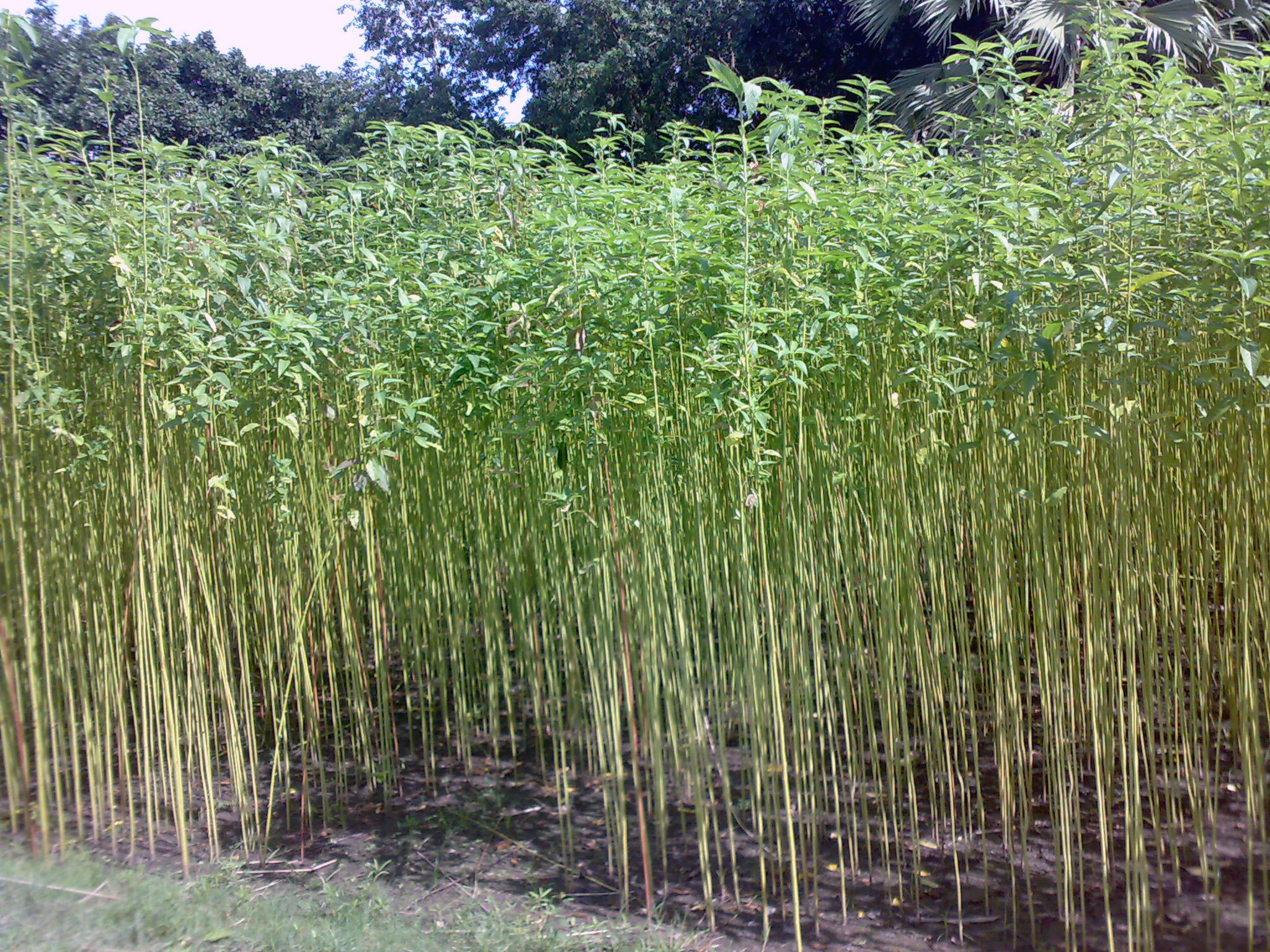
Here is a comprehensive overview of Bihar Jute, a crop deeply intertwined with the state’s agrarian economy and history.
1. The Core Concept: What is Bihar Jute?
Bihar Jute refers to the cultivation and production of jute in the state of Bihar. While West Bengal is the undisputed leader in India’s jute production, Bihar has historically been a significant secondary producer, contributing to the “Golden Fiber” industry of the Eastern Indian plains.
Jute is a rainy season crop, one of the most important natural fibers after cotton in terms of cultivation and usage.
2. Key Growing Regions in Bihar
Jute cultivation in Bihar is concentrated in the districts that are part of the Gangetic plains and have the necessary alluvial soil and water resources. The prominent districts include:
Kosi Division: Supaul, Saharsa, Madhepura, Purnia, Katihar, and Kishanganj.
Other Districts: Darbhanga, Muzaffarpur, Samastipur, Begusarai, Khagaria, and Bhagalpur.
These regions benefit from the fertile soil deposited by rivers like the Kosi, Ganga, and their tributaries.
3. Primary Varieties Cultivated
Farmers in Bihar cultivate both of the main jute species:
Corchorus olitorius (Tossa Jute):
Characteristics: Considered superior in quality to White Jute. The fiber is softer, stronger, and more silky.
Color: The fiber ranges from golden to brownish.
Usage: Used for producing higher-quality textiles, including fabrics and decorative items.
Corchorus capsularis (White Jute):
Characteristics: The more widely cultivated species globally. It is hardier and can grow in a wider range of soil conditions, including waterlogged areas.
Color: The fiber is off-white to light brown.
Usage: Traditionally used for making hessian (burlap) and sacking material.
4. Characteristics and Uses of Jute
The Fiber: Jute is a long, soft, shiny vegetable fiber that can be spun into coarse, strong threads.
Key Features:
Biodegradable & Eco-friendly: It is 100% biodegradable and recyclable.
Strong Tensile Strength: Has good insulating and antistatic properties.
Breathable: The fabric made from jute allows air to circulate.
Primary Uses:
Traditional: Sackcloth (for storing grains, potatoes, sugar, etc.), ropes, twines.
Modern & Diversified:
Geo-textiles: Used for soil erosion control, embankment protection, and road construction.
Home Furnishings: Carpets, curtains, rugs, and wall hangings.
Fashion: Apparel, bags, footwear, and accessories.
Composites: Used in the automotive and furniture industries.
Paper: Jute can be used to make paper.
5. The Significance of Jute in Bihar’s Context
Agrarian Economy: Jute provides a crucial cash crop for thousands of small and marginal farmers in North Bihar, offering an alternative to paddy and contributing to their annual income.
Soil Health and Crop Rotation: Jute is often grown in rotation with paddy. It helps in soil aeration and adds organic matter to the soil, improving its health for the subsequent crop.
Employment: The crop is labor-intensive, providing employment during the sowing and harvesting seasons. While the processing industry is smaller than in West Bengal, it still generates local employment.
6. Challenges Faced by Bihar’s Jute Sector
Despite its potential, the jute sector in Bihar faces several challenges:
Price Fluctuations: Farmers often face volatile market prices, making it a less attractive option compared to more stable crops.
Water-Intensive Nature: The crop requires a consistent water supply, which can be a challenge in areas with erratic rainfall or inadequate irrigation.
Competition from Synthetic Fibers: The widespread availability of cheap polypropylene and plastic bags has significantly reduced the demand for traditional jute sacks.
Lack of Modern Infrastructure: A relative lack of modern retting facilities and processing mills within the state means a lot of raw jute is sent to West Bengal for processing, reducing the value addition within Bihar.
Floods: The flood-prone nature of North Bihar, particularly the Kosi region, poses a constant risk to the jute crop.
7. Government Initiatives and the Future
Jute Technology Mission: Government schemes aim to support farmers with improved seeds, better agronomic practices, and market linkages.
Promotion of Diversified Products: There is a growing push to promote the use of jute in diversified products (like those listed above) to create new markets and increase profitability.
Geo-textiles: The use of jute in geo-textiles for civil engineering is a promising and growing field that can boost demand.
Conclusion
Bihar Jute is a story of a traditional, eco-friendly crop with deep roots in the state’s agrarian landscape. While it faces significant challenges from synthetics and environmental risks, it remains an important source of livelihood for many farmers. The future of Bihar’s jute lies in overcoming these challenges through government support, modernization of the supply chain, and, most importantly, the successful diversification of jute into new, high-value products that can reignite demand for this sustainable “Golden Fiber.”
