
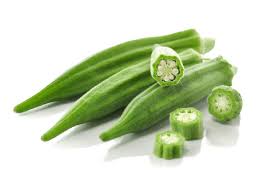
Introduction: The Lady’s Finger of Bihar’s Vegetable Basket
Bhindi, known in English as Okra or Lady’s Finger, is one of the most important and widely cultivated vegetable crops in Bihar. Known locally as Bhindi or Ram Toriya, it is a high-value, warm-season crop that provides a continuous source of income for small and marginal farmers due to its long harvesting period.
1. Importance and Ranking
Top Vegetable Crop: Bhindi is consistently among the top five most cultivated vegetables in Bihar, playing a crucial role in the state’s horticulture economy.
Small Farmer’s Mainstay: Its ability to yield continuously over several months makes it an ideal crop for farmers with limited land, ensuring a steady cash flow.
Year-Round Demand: There is consistent and high demand for Bhindi in local markets, wholesale mandis, and urban centers, making it a commercially reliable crop.
2. Major Growing Regions
Bhindi is cultivated across Bihar, with significant commercial production in districts known for their vegetable belts.
Patna District: The areas surrounding the state capital are major producers, supplying the city’s large market.
Nalanda District: A key hub for vegetable cultivation, including extensive Bhindi farming.
Vaishali District: Known for its productive vegetable farms.
Samastipur, Muzaffarpur, and Begusarai Districts: These districts in the fertile central plains are also significant contributors.
Other Districts: Widespread cultivation also occurs in Bhagalpur, Purnia, and Gaya.
3. Agro-Climatic Conditions and Varieties
Climate: Bhindi is a warm-season crop that thrives in hot and humid conditions. It is highly sensitive to frost and requires a long, warm growing period.
Ideal Temperature: 25°C – 35°C
Soil: It grows best in well-drained, fertile, sandy loam to loamy soils rich in organic matter. Good drainage is essential to prevent root diseases.
Seasons: It can be grown in multiple seasons, but the main seasons are:
Spring-Summer (Feb-Mar sowing): Harvested from April to June.
Kharif (June-July sowing): The main season, harvested from August to October.
Popular Varieties:
Public Sector Hybrids: Arka Anamika, Arka Abhay, Pusa Sawani, Varsha Uphar (Kashi Vibhuti) are highly popular for their high yield, tenderness, and resistance to Yellow Vein Mosaic Virus (YVMV).
Private Sector Hybrids: Numerous high-yielding hybrids from companies like Namdhari, Mahyco, and Syngenta are widely used.
YVMV-Resistant Varieties: A major focus for breeders, as this virus is the most significant threat to Bhindi cultivation.
4. The Cultivation and Harvesting Cycle
Sowing: Seeds are sown directly in the field, often on raised beds for better drainage.
Growing Period: The crop has a relatively short duration. The first harvest can begin within 45-50 days of sowing.
Harvesting: This is the most critical and labor-intensive aspect. Bhindi is a ratoon crop, meaning it produces pods over a long period.
Pods must be harvested every 2-3 days when they are young, tender, and about 3-4 inches long.
If harvesting is delayed, the pods become fibrous, woody, and unmarketable.
Picking Span: A well-maintained crop can be harvested for 2-3 months, requiring skilled labor for regular picking.
5. Economic and Culinary Importance
High Profitability: The continuous yield over a long period ensures a steady cash flow, making it one of the most profitable vegetables for smallholders.
Culinary Staple: Bhindi is a quintessential ingredient in Bihari and Indian cuisine. It is used to make famous dishes like Bhuni Bhindi (a spiced dry preparation) and is added to various curries and stir-fries.
Market Demand: There is consistent and high demand in both local mandis (markets) and large metropolitan areas across North and East India.
Export Potential: Fresh Bhindi has a niche market for export, particularly to the Middle East and Europe, where quality standards are very high.
6. Major Challenges
Bhindi cultivation is fraught with challenges, primarily from pests and diseases:
Pest Infestations:
Shoot and Fruit Borer (Earias vittella): This is the most destructive pest. The larvae bore into the growing shoots and fruits, rendering them unmarketable.
Jassids (Leafhoppers): Sap-sucking insects that cause “hopper burn,” curling the leaves.
Whitefly: The vector for the deadly Yellow Vein Mosaic Virus.
Aphids and Red Spider Mites: Also cause significant damage.
Diseases:
Yellow Vein Mosaic Virus (YVMV): The single biggest threat to Bhindi cultivation. It is transmitted by whiteflies and causes yellowing of veins, stunting, and drastic reduction in yield. There is no cure.
Damping Off: Affects seedlings.
Powdery Mildew and Fusarium Wilt: Fungal diseases that can affect the crop.
High Labor Cost: The need for skilled labor for frequent harvesting constitutes a major portion of the cultivation cost.
Price Fluctuations: Glut in the market can lead to a sudden crash in prices, affecting farmer incomes.
Government Initiatives and The Way Forward
Integrated Pest Management (IPM): Strong promotion of IPM strategies is crucial. This includes:
Using YVMV-resistant varieties.
Installing yellow sticky traps to monitor and control whiteflies.
Using bio-pesticides like Neem oil and Bt formulations.
Encouraging the conservation of natural predators.
Protected Cultivation: Cultivating Bhindi in insect-proof net houses or polyhouses is being promoted to completely exclude pests like whiteflies and prevent YVMV, ensuring a high-quality, pesticide-free yield.
Good Agricultural Practices (GAP): Training farmers on proper spacing, nutrient, and water management to grow healthier crops that are more resilient to stress.
Conclusion
Bhindi in Bihar is a vegetable of immense economic and cultural value. Its ability to provide a sustained income makes it a favorite among farmers. However, its cultivation is a constant battle against pests and diseases, particularly the Yellow Vein Mosaic Virus. The future of sustainable Bhindi cultivation in the state lies in the widespread adoption of IPM, the use of resistant varieties, and exploring protected cultivation methods to ensure that this beloved “lady’s finger” continues to be a profitable and reliable crop for the farming community.
