
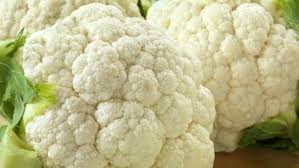
Introduction: The Winter White Flower of Bihar
Cauliflower, known locally as Phool Gobhi, is one of the most important winter (Rabi season) vegetable crops in Bihar. It is a high-value cash crop that provides significant income to farmers, especially small and marginal holders, and is a staple vegetable in markets and households across the state during the cooler months.
1. Importance and Ranking
Leading Winter Vegetable: Cauliflower is a cornerstone of Bihar’s horticulture sector, consistently ranking among the top three vegetables grown in the state by area and value, alongside potato and tomato.
Small Farmer’s Cash Crop: Its high profitability per unit area makes it an excellent choice for farmers with limited land, providing a crucial source of income during the Rabi season.
Economic Driver: The crop supports a large chain of activities, from seedling production and trading to transportation and retail marketing in urban centers.
2. Major Growing Regions
Cauliflower is cultivated across Bihar, but its commercial production is concentrated in areas with access to markets and irrigation.
Patna District: The areas surrounding the state capital are major producers, supplying the city’s large market.
Nalanda District: A significant hub for vegetable cultivation, including cauliflower.
Vaishali District: Known for its productive vegetable farms.
Samastipur, Muzaffarpur, and Begusarai Districts: These districts in the fertile Gangetic plains are also key contributors.
Urban Fringes: Areas around other major cities like Bhagalpur and Gaya also have substantial cultivation to meet local demand.
3. Agro-Climatic Conditions and Varieties
Climate: Cauliflower is a cool-season crop that thrives in a cool and moist climate. The quality of the “curd” (the white edible head) is highly dependent on temperature.
Ideal Temperature for Curd Formation: 15°C – 20°C
Critical Factor: Higher temperatures can cause the curd to become “ricey” (loose and fuzzy) or “leafy” (where small leaves grow through the curd), rendering it unmarketable. Frost can damage the curd.
Soil: It grows best in well-drained, fertile, loamy soils rich in organic matter. The soil should have a good moisture-holding capacity.
Popular Varieties (Grouped by Maturity):
Early Maturing (60-80 days): These are sown early (Aug-Sept) and tolerate relatively higher temperatures.
Pusa Deepali, Pusa Meghna
Mid-Season (90-110 days): The most common group in Bihar.
Pusa Synthetic, Pusa Shubhra (resistant to black rot)
Late Maturing (110-120+ days): These are sown later and can withstand lower temperatures. They produce large, dense curds.
Snowball-16, Pusa Snowball-1, Pusa Snowball K-1
4. The Cultivation Cycle
Nursery Raising (Aug – Oct): Seeds are first sown in a raised nursery bed. This stage takes about 3-4 weeks. Healthy seedlings are crucial for a good harvest.
Transplantation (Sept – Nov): The seedlings are transplanted to the main field when they are 4-6 weeks old. Timing is critical to ensure curd formation occurs during the optimal cool period.
Curd Formation and Development: This is the most critical growth stage. The plant must have sufficient nutrients and water to form a tight, white, and compact curd.
Harvesting (Nov – Feb): Harvesting is a skilled, manual process. The curd is harvested when it reaches a good size but is still compact and tender. It is cut from the plant with a knife, along with a few wrapper leaves to protect it during transport.
5. Economic and Culinary Importance
High Profitability: Cauliflower offers one of the highest returns per hectare among Rabi vegetables, making it a preferred crop for income generation.
Culinary Staple: It is an extremely versatile vegetable in Bihari and Indian cuisine. It is used to make:
Sabzi (Curry): Cooked with potatoes as Aloo Gobhi or on its own.
Pakoras (Fritters): Cauliflower florets are dipped in spiced gram flour batter and deep-fried.
Pickles: Cauliflower is a key ingredient in mixed vegetable pickles.
Market Demand: There is consistent and high demand in both rural and urban markets throughout its season.
6. Major Challenges
Cauliflower cultivation is a high-risk, high-reward endeavor due to several critical challenges:
Pest Infestations:
Diamondback Moth (DBM): The most destructive pest. The larvae feed on the leaves, creating windows and holes, severely reducing the plant’s ability to photosynthesize.
Aphids: Sap-sucking insects that can stunt growth and transmit viruses.
Diseases:
Black Rot: A devastating bacterial disease that causes V-shaped yellow lesions on leaves and can destroy the crop.
Damping Off: Affects seedlings in the nursery.
Alternaria Leaf Spot: A fungal disease that damages leaves.
Climate Sensitivity: The crop’s success is entirely dependent on favorable weather. Unseasonal warmth prevents proper curd formation, while untimely rain can promote disease.
High Input Costs: The cost of hybrid seeds, fertilizers, and pesticides is substantial.
Price Fluctuations: A glut in the market can lead to a sudden crash in prices, making it unprofitable for farmers.
Government Initiatives and The Way Forward
Integrated Pest Management (IPM): This is the primary focus.
Promotion of bio-pesticides like Bacillus thuringiensis (Bt) for DBM control.
Use of pheromone traps to monitor and mass-trap male moths.
Encouraging the conservation of natural predators.
Protected Cultivation: Raising seedlings in insect-proof net houses to protect them from pests and ensure a healthy start.
Good Agricultural Practices (GAP): Training farmers on proper spacing, nutrient management, and irrigation scheduling.
Market Intelligence: Helping farmers get better price realizations by providing market information.
Conclusion
Cauliflower in Bihar is a crop of precision and opportunity. Its cultivation requires careful timing and management to produce the perfect white curd that the market demands. While the threats from pests, diseases, and weather are significant, the potential for high profit ensures its continued popularity. The future of sustainable cauliflower cultivation in the state lies in the widespread adoption of Integrated Pest Management, climate-resilient varieties, and improved market linkages to protect the farmers who grow this essential winter vegetable.
