
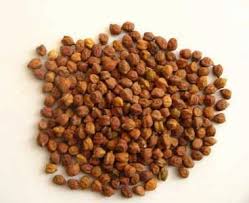
Introduction: The Premier Rabi Pulse
Chickpea, commonly known as Chana or Gram, is the most important Rabi (winter) season pulse crop in Bihar. It is a key source of affordable plant-based protein and plays an indispensable role in sustainable agriculture by enriching the soil with nitrogen. Bihar is one of the significant contributors to India’s chickpea production.
1. Importance and Ranking
Key Pulse Crop: Chickpea is the most widely cultivated pulse in Bihar’s Rabi season. The state is a major producer in the eastern part of India.
Nutritional Powerhouse: Chana and Besan (gram flour) are staples in Bihari cuisine, providing essential protein, especially in vegetarian diets.
Soil Health: As a legume, it fixes atmospheric nitrogen, improving soil fertility and reducing the need for synthetic nitrogen fertilizers for the next crop. This makes it a perfect candidate for crop rotation.
2. Major Growing Regions
Chickpea thrives in the well-drained tracts of South and Central Bihar, where the winter climate is more suitable.
Rohtas District: A major hub for chickpea cultivation.
Bhojpur District: Another significant producer.
Buxar District: Known for its quality chickpea.
Aurangabad District: A key contributor.
Kaimur District: Also has substantial area under cultivation.
Other Districts: Gaya, Nalanda, Jehanabad, and Patna also grow chickpea extensively.
3. Agro-Climatic Conditions and Varieties
Climate: Chickpea is a cool-season crop but is more tolerant of warmer conditions than lentil or pea. It requires a cool, dry climate during its vegetative growth and warmer temperatures during pod filling.
Ideal Temperature: 20°C – 25°C
It is highly sensitive to waterlogging and heavy rainfall during flowering and podding.
Soil: It performs best in well-drained, sandy loam to loamy soils. Good drainage is absolutely critical.
Water: It is highly valued for its low water requirement, making it an ideal crop for rain-fed areas or regions with limited irrigation.
Popular Varieties:
Desi Chickpea: The smaller, darker, and more common type grown in Bihar. It has a higher fiber content and is primarily used for making dal and besan.
Pusa-372, Pusa-5023, JG-11, BGM-547, BGD-103
Kabuli Chickpea: The larger, lighter-colored variety (used for dishes like chhole). It is grown in smaller, niche areas as it requires more specific conditions and has a higher market value.
Pusa-1003, Pusa-1053
4. The Cultivation Cycle
Sowing (Oct – Nov): Sowing is done after the harvest of Kharif crops like rice or maize. Timely sowing is crucial to avoid heat stress during the pod-filling stage.
Growing Period (Nov – Feb): The crop grows during the cool, dry winter, requiring minimal irrigation.
Harvesting (Feb – Mar): The crop is ready when the leaves turn yellow and begin to shed, and the pods become dry and hard. The plants are uprooted or cut.
Threshing & Winnowing: The dried plants are threshed (often by trampling or using machines) to separate the grains, which are then winnowed to clean them.
5. Economic and Culinary Importance
Dietary Staple: Chana Dal (split chickpea) is a fundamental ingredient in daily cooking. Besan (gram flour) is used to make snacks, pancakes (chilla), and sweets.
Street Food & Snacks: Roasted chickpeas (Bhuna Chana) are a popular snack. It is also a key ingredient in numerous Bihari street foods.
Farmer’s Income: As a low-input crop, it provides a reliable source of income with less risk, especially for small and marginal farmers.
Animal Feed: The by-product, Chokar (chickpea bran), is a nutritious animal feed.
6. Major Challenges
Chickpea cultivation in Bihar faces several significant threats:
Pest Infestations:
Pod Borer (Helicoverpa armigera): The most destructive pest, boring into pods and eating the seeds.
Cutworms: Attack the seedlings.
Diseases:
Fusarium Wilt: A devastating soil-borne fungal disease that causes yellowing, wilting, and death of plants.
Botrytis Grey Mould (BGM): A serious fungal disease that thrives in cool, humid conditions, causing blight and significant yield loss.
Erratic Weather: Unseasonal rain or hailstorms at flowering or harvest can devastate the crop. Rising winter temperatures due to climate change can also stress the plant.
Weed Competition: Weeds can significantly reduce yields, especially in the early stages of growth.
Government Initiatives and The Way Forward
National Food Security Mission (NFSM)-Pulses: Provides subsidies for high-quality seeds, rhizobium inoculants, and micronutrients to boost productivity.
Integrated Pest Management (IPM): Promotion of IPM strategies, including the use of bio-pesticides like Neem oil and Bt, pheromone traps, and conservation of natural predators.
Improved Varieties: Development and distribution of wilt-resistant and BGM-tolerant varieties are key focus areas for research institutions.
Crop Insurance: Protecting farmers from losses due to adverse weather conditions.
Conclusion
Chickpea (Chana) in Bihar is a crop of resilience and nutrition. It provides a sustainable and economically viable option for farmers, ensuring both income and food security. While challenges from pests, diseases, and climate are real, the combination of improved varieties, scientific farming practices, and government support is key to stabilizing and increasing chickpea production. By strengthening these pillars, Bihar can continue to be a key player in fulfilling India’s pulse requirements and nourishing its population.
