
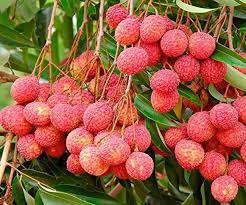
Introduction: The Crown Jewel of Bihar’s Horticulture
Litchi, known locally as Lichi, is the most celebrated and prestigious fruit crop of Bihar. The state is the largest producer of litchi in India, and the fruit from the Muzaffarpur region has gained national and international recognition for its unique aroma, flavor, and quality. It is truly the “King of Fruits” in the Bihar context.
1. Importance and Ranking
Undisputed National Leader: Bihar is the number one litchi-producing state in India, accounting for nearly 40% of the country’s total production.
Geographical Indication (GI) Tag: The “Shahi Litchi” from Muzaffarpur has been granted the prestigious GI tag, legally recognizing its unique quality and origin, which adds immense brand value.
Economic Backbone: The litchi season provides a massive, concentrated source of income for thousands of farmers in the core growing region, driving the local economy for a significant part of the year.
2. Major Growing Regions (The Litchi Belt)
Litchi cultivation is highly concentrated in a specific agro-climatic zone in North Bihar, often called the “Litchi Belt.”
Muzaffarpur District: The undisputed and iconic heartland of Shahi Litchi. This district is the epicenter of production and fame.
Vaishali District: Another massive producer, sharing the advantages of the same fertile belt.
East Champaran & West Champaran Districts: Significant contributors to the state’s output.
Samastipur, Sitamarhi, and Sheohar Districts: Also part of the core litchi-growing region.
3. Agro-Climatic Conditions and Varieties
Climate: Litchi is a subtropical fruit that requires a moist, hot summer followed by a cool, dry winter for flowering. The specific climate of North Bihar provides this perfect combination.
Critical Factor: A distinct winter (Nov-Feb) with low humidity is essential for a good flower bud formation. The hot, dry Loo (summer winds) of May-June are crucial for fruit sweetness and development.
Soil: It grows best in deep, well-drained, fertile loamy soils rich in organic matter. The soil should be slightly acidic. The alluvial soils of the Burhi Gandak and Bagmati river basins are ideal.
Popular Varieties:
Shahi: The most famous and premium variety, known for its small seeds, high pulp content, strong aroma, and sweet, juicy flesh. It is the variety that has the GI tag.
China: The most widely grown variety in Bihar. It has larger fruits, a longer shelf life, and is less aromatic than Shahi, but still of excellent quality.
Early Bedana and Late Bedana: As the names suggest, these are early and late-season varieties that help extend the marketing window.
4. The Cultivation Cycle
Litchi is a perennial tree with a long productive life.
Planting: Grafted plants are used to ensure true-to-type quality and early fruiting.
Bearing: A grafted litchi tree starts bearing a commercial crop in about 5-6 years and reaches peak production by 10-12 years.
Flowering (Feb – March): The tree produces beautiful panicles of flowers. The cool, dry winter is critical for this stage.
Fruit Development (April – May): The fruits develop over the hot summer months.
Harvesting (May – June): The harvesting season is short and intense, typically from the second week of May to the end of June. The fruit is harvested manually in bunches when it attains its characteristic pink-red color.
5. Economic and Cultural Importance
Premium Fresh Fruit Market: The primary market. Shahi Litchi from Muzaffarpur commands a premium price in metropolitan cities like Delhi, Mumbai, and Kolkata, and is also exported.
Processing Industry: A portion of the crop is used for processing into:
Canned Litchi
Litchi Juice and Squash
Litchi Pulp (for the beverage industry)
Short Season, High Income: The entire annual income for many farmers in the Litchi Belt is generated in this short 6-8 week window, making it a high-stakes crop.
Cultural Identity: The litchi season is a cultural event in Bihar. It is synonymous with the summer and is a source of great regional pride.
6. Major Challenges
Litchi cultivation, despite its prestige, is fraught with serious challenges:
Perishability: Litchi is an extremely perishable fruit. It starts browning and losing quality within 24-48 hours of harvest if not properly handled. This creates immense pressure on the supply chain.
Pest Infestations:
Litchi Mite: Causes a rough, brownish surface on the fruit, known as “litchi rust,” making it unmarketable.
Fruit Borer: The larvae bore into the fruit, causing direct damage.
Diseases:
Fruit Rot: Fungal diseases that can destroy the crop, especially if it rains during the fruiting season.
Biennial Bearing: The trees have a natural tendency to give a heavy crop one year (on-year) and a very light crop the next (off-year), which makes income unstable for farmers.
Climate Change: Erratic weather patterns, unseasonal rain, or a less distinct winter can severely impact flowering and fruit set.
Government Initiatives and The Way Forward
Establishment of Packhouses and Cold Chains: This is the most critical intervention. Promoting on-farm and community-level packhouses with pre-cooling and cold storage facilities is essential to extend shelf life and reduce post-harvest losses.
Integrated Pest Management (IPM): Promoting the use of bio-pesticides and safe spraying schedules to control mites and fruit borers.
Food Processing Units: Encouraging the establishment of more processing units within the litchi belt to absorb surplus production and produce value-added goods.
Market Linkages: Strengthening FPOs (Farmer Producer Organizations) to help farmers get a better price and direct market access.
Conclusion
Litchi is the undisputed crown jewel of Bihar’s horticulture. The state’s pre-eminent position in litchi production is a result of its unique agro-climatic conditions and generations of farmer expertise. While the challenges of perishability and biennial bearing are significant, the future of this iconic fruit lies in revolutionizing the post-harvest infrastructure, adopting scientific crop management, and building a stronger brand around its GI-tagged “Shahi Litchi.” By doing so, Bihar can ensure that this celebrated fruit continues to be a symbol of pride and a source of sustainable prosperity for its farmers.
