
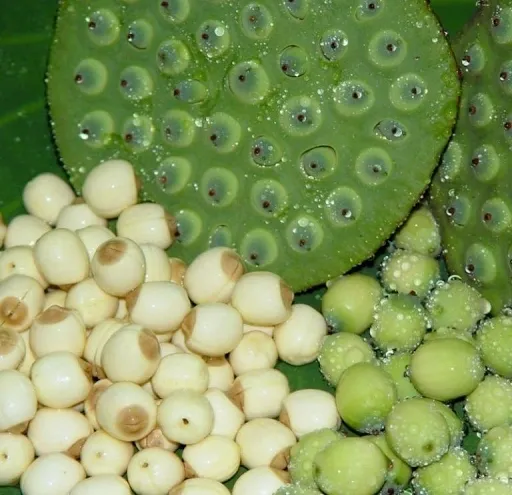
Introduction: The Aquatic White Gold of Bihar
Makhana, known as Fox Nut or Gorgon Nut, and locally as Makhana or Phool Makhana, is a prestigious and highly valuable aquatic crop. Bihar is the undisputed largest producer of Makhana in India and the world, accounting for over 80% of the global production. This “superfood” is cultivated in the state’s vast natural water bodies and is a source of livelihood for thousands of families.
1. Importance and Ranking
Global Monopoly: Bihar holds a near-monopoly in Makhana production, making it a unique agricultural identity of the state.
Geographical Indication (GI) Tag: Makhana from Bihar has been granted the Geographical Indication (GI) tag, recognizing its specific origin and quality, which protects its brand and enhances its value.
Economic Lifeline: It is a high-value cash crop that provides a crucial source of income, especially for communities living around wetlands.
2. Major Growing Regions (The Makhana Belt)
Makhana cultivation is concentrated in the districts of North Bihar, which are endowed with numerous natural ponds, lakes, and wetlands (chaurs).
Darbhanga District: The heartland and largest producer of Makhana in Bihar.
Madhubani District: Another massive producer, sharing the wetland ecosystem with Darbhanga.
Purnea District: A key contributor to the state’s output.
Katihar District: Also has significant area under Makhana cultivation.
Other Districts: Saharsa, Supaul, and Sitamarhi also contribute.
3. Agro-Climatic Conditions and Cultivation Process
Makhana is not grown in fields but in shallow water bodies, making its cultivation process unique.
Climate: It is an aquatic crop that requires a warm and humid tropical climate.
Ideal Temperature: 20°C – 35°C
Water Body: It is cultivated in shallow, stagnant freshwater ponds, lakes, and wetlands with a depth of about 4-6 feet. The water should be free from pollution and have a rich organic content.
The Cultivation Cycle (A Labor-Intensive Process):
Sowing (April – May): The seeds of the Euryale ferox plant are sown at the bottom of these prepared water bodies at the beginning of summer.
Growth (May – August): The plant grows underwater, producing large, prickly leaves that float on the surface. It flowers and produces prickly fruits underwater.
Harvesting (Sep – Nov): This is the most challenging part. After about 5-6 months, the mature fruits are harvested from the bottom of the pond. This is done manually by divers (often called “Makhana Divers”) who skillfully navigate the murky water to collect the fruits. It is a highly skilled and risky job.
Processing (The Key to Value Addition): The harvested raw seeds are not the white puffs we see in the market. They undergo a multi-step, labor-intensive process:
Sun Drying: The seeds are sun-dried for several days.
Roasting: The hard, black seeds are roasted on a hot clay plate. This is a critical step that makes the seed pop.
Popping / Puffing: The roasted seeds are then hit with a wooden hammer, causing them to pop and turn into the white, fluffy Makhana.
Grading: The popped Makhana is graded by size and quality.
4. Economic and Nutritional Importance
Nutritional Superfood: Makhana is low in calories and fat but rich in protein, fiber, magnesium, potassium, and antioxidants. It is a popular snack for weight management and is considered a “satvic” food in Ayurveda.
High-Value Cash Crop: Processed Makhana commands a very high price in the market, making it an extremely profitable venture for farmers and processors.
Versatile Usage:
Roasted Snack: Eaten plain or with spices.
In Curries: Used in traditional Bihari dishes like Makhana Kadhi and various curries.
In Sweets: Used in kheer, barfi, and other desserts.
Health Food: Sold as a superfood snack in domestic and international markets.
Export Earning: There is a growing international demand for Makhana, especially in countries with health-conscious populations, making it a valuable export commodity.
5. Major Challenges
Despite its high value, the Makhana sector faces several formidable challenges:
Labor-Intensive Process: Both harvesting and processing are extremely labor-intensive and rely on skilled manual labor, which is becoming scarce and expensive.
Health Hazards for Divers: The divers face significant health risks, including skin infections, vision problems, and the danger of drowning.
Lack of Mechanization: The entire process, from harvesting to popping, is largely manual. A lack of affordable and efficient technology is a major bottleneck.
Climate Vulnerability: Erratic rainfall and droughts can affect the water level in the ponds, directly impacting the crop.
Market Fluctuations and Middlemen: Farmers often do not get a fair price due to their dependence on a long chain of middlemen and a lack of direct market access.
Government Initiatives and The Way Forward
Mechanization of Processing: The government and research institutions are promoting and subsidizing Makhana popping machines. This can drastically reduce labor, improve efficiency, and ensure uniform quality.
GI Tag Protection: Leveraging the GI tag to brand “Bihar Makhana” as a premium product in national and international markets.
Formation of FPOs: Encouraging Farmer Producer Organizations (FPOs) to empower farmers with collective bargaining power and direct market linkages.
Research for Improvement: Research is focused on developing improved varieties with higher yield and better popping quality.
Conclusion
Makhana is more than a crop in Bihar; it is a cultural heritage and an economic gem. Its cultivation is a testament to the symbiotic relationship between the people of North Bihar and their unique wetland ecosystem. While the challenges of labor and marketing are significant, the future of this “white gold” is bright. By adopting technology, ensuring fair prices for farmers, and building a strong global brand, Bihar can secure and enhance the prosperity generated by this incredible superfood, ensuring that the communities who have cultivated it for generations reap the full benefits of their hard work.
