
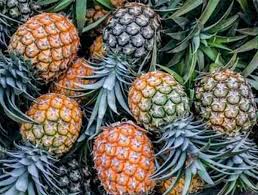
Introduction: The Tropical Crown of the “Pineapple Belt”
Pineapple, known locally as Ananas, is a highly significant commercial fruit crop in Bihar. While not a statewide crop, its cultivation is concentrated in a distinct region, earning it the nickname of the “Pineapple Belt” of Bihar. It is a major source of income for farmers in this area and a symbol of successful horticultural diversification.
1. Importance and Ranking
Regional Powerhouse: Bihar is one of the notable pineapple-producing states in India, though not on the scale of a national leader like West Bengal. Its importance is regional and highly concentrated.
Economic Lifeline: For farmers in the core growing districts, pineapple is a primary cash crop, offering higher and more stable returns than many traditional field crops.
Niche Success Story: The success of pineapple in this specific agro-climatic zone is a model for high-value horticulture in the state.
2. The “Pineapple Belt”: Major Growing Regions
Pineapple cultivation is almost exclusively concentrated in the northeastern districts of Bihar, which have the required warm, humid climate and acidic soils.
Kishanganj District: The undisputed pineapple capital of Bihar. This district is the epicenter of production and hosts a major pineapple market.
Katihar District: Another massive producer and a key hub for the fruit’s trade and processing.
Purnia District: A significant contributor to the state’s output, completing the core “Pineapple Belt.”
Araria District: Also has notable cultivation.
3. Agro-Climatic Conditions and Varieties
Climate: Pineapple is a tropical fruit that thrives in a warm and humid climate. It is highly sensitive to frost and requires temperatures that do not dip too low.
Ideal Temperature: 22°C – 32°C
Soil: It performs best in well-drained, acidic soils (pH 5.5 – 6.0) that are rich in organic matter. The lateritic and red loam soils found in the region are perfectly suited. Good drainage is essential to prevent root rot.
Rainfall: It requires an annual rainfall of 1000-1500 mm. The humidity and rainfall pattern of the sub-Himalayan foothills in this region are ideal.
Popular Varieties:
Queen: This is the dominant variety grown in Bihar. It is known for its:
Golden-yellow color
Sweet and mildly acidic flavor
Pleasant aroma
Good transportability
Giant Kew: Grown to a lesser extent; it is larger but less sweet.
4. The Cultivation Cycle
Pineapple is a perennial plant with a unique growth habit.
Planting Material: It is not grown from seeds but from vegetative parts of the plant:
Slips: Small shoots that grow from the base of the fruit.
Suckers: Shoots that originate from the leaf axils (joints) of the stem.
Crowns: The leafy top of the fruit.
Planting: The planting material is planted in prepared fields, often on raised beds to ensure good drainage. High-density planting is common to maximize yield.
Growing Period: The crop has a long duration. It takes about 18-24 months from planting to the first harvest.
Harvesting: Harvesting is a skilled manual process. The fruit is harvested when it develops a yellowish color at the base and emits a sweet aroma. It is cut from the plant with a knife.
5. Economic and Culinary Importance
Fresh Fruit Market: The primary market. Pineapples from Kishanganj and Katihar are supplied to markets across Bihar and neighboring states like West Bengal, Jharkhand, and Uttar Pradesh.
Processing Potential: A significant portion is used by the processing industry for making:
Pineapple Juice and Squash
Jams and Jellies
Canned Slices
Pineapple Chunks (for the hospitality industry)
Farmer Income: Due to its high yield and value, it is one of the most profitable fruit crops for farmers in the region.
By-Products: The leaves are a source of fiber, and the waste from processing can be used as animal feed or compost.
6. Major Challenges
Pineapple cultivation in Bihar faces several significant challenges:
Long Gestation Period: The 18-24 month wait for the first harvest requires significant upfront investment and patience from farmers.
Pest Infestations:
Mealybugs: Sap-sucking insects that can also transmit viruses.
Pineapple Scale
Diseases:
Heart/Root Rot: Fungal diseases that can be devastating, especially in waterlogged conditions.
Wilt
Lack of Organized Processing: While processing exists, the lack of large-scale, modern processing units within the growing region means farmers are often dependent on traders and may not get the best value for their produce.
Price Fluctuations: A bumper crop can sometimes lead to a local glut and a crash in prices.
High Initial Investment: The cost of planting material and the long wait for returns can be a barrier for some farmers.
Government Initiatives and The Way Forward
Development of Cold Chains: Promoting the establishment of cold storage facilities to extend the shelf life of the fruit and give farmers more bargaining power.
Support for Processing Units: Encouraging entrepreneurs to set up processing plants within the “Pineapple Belt” to add value and create a more stable market.
Good Agricultural Practices (GAP): Training farmers on proper planting density, nutrient management, and pest control to improve yield and quality.
Market Linkages: Helping Farmer Producer Organizations (FPOs) connect directly with retailers in big cities and exporters.
Conclusion
Pineapple in Bihar is a testament to regional agricultural specialization. The “Pineapple Belt” of Kishanganj, Katihar, and Purnia has successfully capitalized on its unique climate to cultivate a high-value fruit that drives the local economy. While challenges like the long gestation period and market volatility persist, the crop’s inherent profitability and strong demand ensure its continued dominance. The future lies in strengthening the value chain through better processing infrastructure and market linkages, ensuring that the farmers who grow this “tropical crown” receive their rightful share of the prosperity it generates.
