
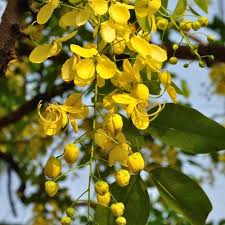
Here is a comprehensive overview of the Chandigarh Amaltas, a tree that provides one of the most stunning and iconic seasonal displays in the city.
1. The Core Concept: What is the Chandigarh Amaltas?
The Chandigarh Amaltas refers to the magnificent and widespread presence of the Amaltas tree (Cassia fistula) within the city’s landscape. Known as the “Indian Laburnum” or “Golden Shower Tree,” it is a celebrated ornamental tree that defines the visual identity of Chandigarh’s intense summer, creating a “golden haze” that is as iconic as the purple of the Jacaranda.
Its flowering marks a specific, glorious period in the city’s annual cycle of blooms.
2. Botanical Profile
Common Names: Amaltas, Golden Shower Tree, Indian Laburnum, Purging Cassia.
Botanical Name: Cassia fistula
Origin: Native to the Indian subcontinent and Southeast Asia.
3. Key Characteristics & Identification
Appearance: A medium-sized, deciduous tree with a spreading, irregular canopy and a somewhat rough, dark grey bark.
Leaves: Bright green, pinnate (feather-like), and quite long (30-40 cm). Each leaf has 4-8 pairs of large, oval leaflets. The foliage is light and airy.
Flowers: The most spectacular feature. They are:
Colour: A vibrant, clear golden yellow.
Shape: Bell-shaped, about 4-7 cm in diameter, hanging in long, drooping racemes (clusters) that can be 30-40 cm long.
Blooming Period: The primary, spectacular bloom is from April to June, peaking during the hottest part of late spring and early summer. The tree often sheds its leaves just before flowering, making the golden clusters stand out even more dramatically.
Fruit: The tree produces long, cylindrical, blackish-brown seed pods (up to 60 cm) that hang from the branches like drumsticks and can persist for a long time. These pods contain seeds and a sweet, sticky pulp.
4. The “Chandigarh” Connection: The Golden Phase of the City
The Amaltas holds a special place in Chandigarh’s meticulously planned landscape, following a deliberate sequence of color.
The Seasonal Sequence: The city’s flowering trees follow a “color calendar.” After the purple of the Jacaranda (April-May) begins to fade, the golden yellow of the Amaltas (May-June) takes over, ensuring the city remains awash in vibrant color. It is often seen blooming alongside the red Gulmohar, creating a stunning red-and-gold contrast.
Avenue and Park Tree: It was deliberately planted along major roads, in parks (like the Rock Garden and the forests of sectors), and in institutional areas. Driving or walking under a canopy of hanging golden flowers is a quintessential Chandigarh experience.
Cultural and Aesthetic Resonance: The bright yellow flowers against the deep blue summer sky create a powerful visual that is both cheerful and majestic. It embodies the peak of summer’s intensity in a beautiful, non-threatening way.
5. Cultural, Medicinal, and Symbolic Significance
Cultural Importance: In India, the Amaltas is the state flower of Kerala and is associated with the Vishu festival. Its striking beauty has been celebrated in literature and art for centuries.
Ayurvedic Medicine: Known as Aragvadha in Sanskrit, meaning “disease killer.” Almost all parts of the tree, especially the pulp from the fruit, are used in Ayurveda as a potent laxative and for treating various ailments like skin diseases, heart conditions, and fevers.
Symbolism: The tree symbolizes royalty, grace, and the irresistible beauty of nature in its full glory.
6. Practical Aspects and Considerations
Growth and Care: It is a hardy, drought-tolerant tree once established, perfectly suited to Chandigarh’s climate. It prefers full sunlight.
Uses:
Ornamental: Its primary value is its spectacular ornamental display.
Shade: Provides a good, light shade.
Considerations:
Pod Litter: The long, hard seed pods eventually fall and require cleanup.
Size: It is a medium to large tree and needs sufficient space to develop its full, spreading canopy.
Conclusion
The Chandigarh Amaltas is a masterpiece of seasonal timing and visual planning. It is the “Golden Herald” of the peak summer, a tree whose breathtaking cascade of yellow flowers was strategically placed to ensure the city’s transition from the purple of spring to the gold of summer is seamless and spectacular. Its vibrant, hanging blossoms are not just a botanical event but a core part of Chandigarh’s identity, making the city’s streets and parks look like they are draped in liquid gold every year.
