
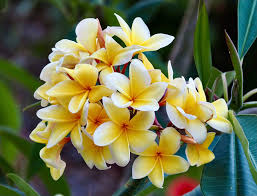
Here is a comprehensive overview of the Chandigarh Frangipani, a tree that is deeply intertwined with the city’s aesthetic identity.
1. The Core Concept: What is the Chandigarh Frangipani?
The Chandigarh Frangipani refers to the widespread presence and iconic status of the Frangipani tree (Plumeria) within the landscape architecture of Chandigarh. Unlike the agricultural produce we’ve discussed, this is not about a food crop but a foundational element of the city’s visual and sensory experience.
It is one of the most recognizable and beloved flowering trees in the city, thanks to the vision of the city’s planners.
2. Botanical Profile
Common Names: Frangipani, Plumeria, Temple Tree, Champa (though this can cause confusion with Magnolia champaca).
Botanical Name: Plumeria spp. The most common varieties in Chandigarh are Plumeria alba (white flowers) and Plumeria rubra (which has cultivars in pink, red, and yellow).
Origin: Native to tropical regions of the Americas, but it has become naturalized in many tropical and subtropical areas, including India.
3. Key Characteristics & Identification
Appearance: A small, stout, deciduous tree with a thick, gnarled trunk and succulent, fleshy branches. When leafless (in winter), its silhouette is distinctive and sculptural.
Leaves: Large, dark green, leathery, and lance-shaped, clustered at the branch tips.
Flowers: The most famous feature. They are:
Fragrance: Intensely and sweetly fragrant, especially in the evenings.
Shape: Five-petaled, pinwheel-shaped, with a waxy texture.
Color: Most commonly seen in pure white with a yellow center in Chandigarh, but pink and yellow varieties are also present.
Sap: The tree exudes a milky, sticky latex when injured, which can be a skin irritant.
4. The “Chandigarh” Connection: An Architectural Plant
The Frangipani’s prominence in Chandigarh is no accident. It was a deliberate choice by the city’s planners, primarily Le Corbusier and his team, who used plants as “architectural elements” to complement the buildings and layout.
Le Corbusier’s Vision: He saw trees not just as greenery, but as structural forms that provided scale, shade, and beauty. The sculptural form of the Frangipani—both in its leafless and full-leaf states—fitted this modernist architectural vision perfectly.
Aesthetic Contrast: The tree’s stark, almost brutalist form in winter contrasts beautifully with the soft, lush clusters of delicate, fragrant flowers in summer. This duality aligns with the city’s blend of raw concrete structures and green spaces.
Ubiquity in Public Spaces: You will find Frangipani trees lining the VVIP avenues (like Jan Marg and Dakshin Marg), in the parks and gardens (especially the Rock Garden and Zakir Hussain Rose Garden), and in the courtyards of many government buildings, including the Capitol Complex.
5. Cultural and Sensory Significance in Chandigarh
A Symbol of the City: For residents, the sight and scent of the Frangipani are inextricably linked with Chandigarh’s identity. It represents the city’s unique blend of planned order and natural beauty.
Sensory Marker: The fragrance of Frangipani on a warm summer evening is a defining sensory experience of the city.
Low Maintenance: It is well-suited to Chandigarh’s climate, tolerating heat, drought, and the city’s distinct seasons, making it a practical choice for public landscaping.
6. Practical and Traditional Aspects
Uses:
Ornamental: Its primary use is as an ornamental tree.
Religious & Cultural: In Indian tradition, the flowers are often used in making garlands and for religious offerings in temples, hence the name “Temple Tree.”
Caution: The milky sap is toxic and can cause skin irritation and is harmful if ingested. The tree should be planted away from areas where children play freely.
Conclusion
The Chandigarh Frangipani is more than just a tree; it is a living architectural feature and a botanical emblem of the city’s modernist spirit. It was handpicked to enhance the city’s built environment and has since grown into a cultural icon. Its sculptural branches and intoxicatingly fragrant flowers are as much a part of Chandigarh’s identity as its concrete buildings and sectoral layout, making it a true “Chandigarh” specimen.
