
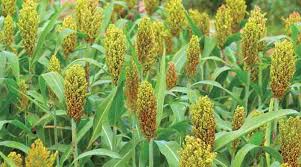
Here is a comprehensive overview of “Chandigarh Sorghum,” a crop that, while not as prominent as wheat or rice, holds specific importance in the region’s agriculture.
1. The Core Concept: What is “Chandigarh Sorghum”?
The term “Chandigarh Sorghum” refers to the cultivation and use of sorghum (also known as Jowar in Hindi) in the agricultural systems of the regions surrounding Chandigarh, primarily in parts of Punjab and Haryana. Unlike fruits, sorghum is a hardy cereal grain and fodder crop.
Its significance in this predominantly wheat-and-rice-growing region is more specialized, driven by:
Fodder Production: Its primary role is as a high-quality, nutritious fodder for the region’s large livestock population (dairy and cattle).
Alternative Crop: It serves as a drought-resistant alternative, especially in less irrigated or more arid areas.
Niche Food Grain: There is a small but steady demand for its grain for traditional flatbreads and health foods.
2. Primary Growing Regions
Sorghum cultivation in the “Chandigarh region” is not widespread like wheat but is found in specific pockets:
Punjab: Districts with relatively poorer soils or lower water availability, such as parts of Sangrur, Barnala, Mansa, and Bathinda.
Haryana: Districts in the southern and drier parts of the state, like Mahendragarh, Bhiwani, and Hisar.
3. Key Varieties and Types Grown
The focus in this region is largely on dual-purpose varieties (used for both grain and fodder) and specialized fodder types.
Prominent Varieties (often developed by PAU and CCS HAU):
SL 44: A popular dual-purpose variety known for good grain yield and high-quality fodder.
Punjab Sudax: A hybrid sorghum-sudangrass cross specifically developed for exceptional fodder yield, quick regeneration, and high nutritional value. It is extremely popular for green fodder.
SSG 59-3: A variety valued for both its grain and fodder.
HJ 513 (Hisar Jowar 513): A high-yielding variety from CCS HAU, suitable for the drier regions of Haryana.
4. Characteristics and Primary Uses
Plant Type: A tall, robust grass that resembles maize but is more tolerant of heat and water stress.
Primary Use – Fodder: This is the dominant use. The green plants are chopped and fed directly to cattle, buffaloes, and other livestock. It is a crucial component of the dairy feed supply chain.
Secondary Use – Grain: The grain is milled into flour (jowar ka atta) to make traditional flatbreads (rotis). These are gaining popularity as a gluten-free and diabetic-friendly alternative to wheat.
Industrial Use: A small amount is used in the production of starch, alcohol, and animal feed concentrates.
5. The “Chandigarh” Advantage: Agronomic Context
Research and Development: The Punjab Agricultural University (PAU), Ludhiana, and Chaudhary Charan Singh Haryana Agricultural University (CCS HAU), Hisar, have developed improved hybrids and varieties tailored to the local conditions, focusing on high fodder yield and disease resistance.
Fit in Crop Rotation: Farmers often grow sorghum as a Kharif (monsoon) crop, sometimes after harvesting wheat or potato. It helps in breaking pest and disease cycles.
Water Efficiency: In an area facing water scarcity issues, sorghum’s lower water requirement compared to rice makes it a more sustainable choice for some farmers.
6. Crop Cycle and Seasons
Main Season (Kharif): Sown with the onset of the monsoon in June-July and harvested for grain or fodder in September-October.
Summer Fodder: In some areas with irrigation, it is grown specifically for fodder during the spring and summer months (March to June) to meet the demand for green fodder when it is scarce.
7. Economic and Nutritional Significance
Support for Dairy Industry: The availability of cheap and nutritious green sorghum fodder is critical for the economic viability of the region’s large dairy sector.
Farmer Income: Provides a stable, if not premium, source of income from both grain and fodder sales.
Health Food Niche: The grain is increasingly marketed as a health food in urban centers like Chandigarh, appealing to health-conscious consumers seeking nutritious and gluten-free options.
Conclusion
Chandigarh Sorghum represents the strategic cultivation of a resilient and versatile crop that plays a vital supporting role in the agrarian economy of the region. It is not a glamorous crop like the Kinnow, but a workhorse that underpins the dairy industry and offers a sustainable cropping alternative. Its story is one of practical application—providing essential fodder for livestock and catering to a growing niche market for health-conscious grains in urban areas like Chandigarh.
