
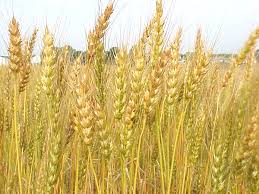
Here is a comprehensive overview of “Chandigarh Wheat,” a term that represents the backbone of the agrarian economy in the region surrounding the city.
1. The Core Concept: What is “Chandigarh Wheat”?
The term “Chandigarh Wheat” refers to the high-yielding, premium-quality wheat cultivated in the vast and fertile plains of Punjab and Haryana, for which Chandigarh is the joint capital and administrative hub. This region is the heart of India’s “Wheat Bowl,” and the wheat from here is crucial for the country’s food security.
Its reputation is built on:
National Food Security: Punjab and Haryana are the top contributors to the central government’s food grain pool.
Unmatched Quality: The wheat is known for its high protein content, good gluten strength, and bright amber grains, making it ideal for making traditional Indian flatbreads (chapatis).
Agricultural Leadership: The region is the birthplace of the Green Revolution in India, which transformed the country from a food-deficient nation to a self-sufficient one.
2. The True Source: The Wheat Bowl of India
The wheat associated with Chandigarh is grown in the ideal agro-climatic conditions of:
Punjab: Districts like Ludhiana, Patiala, Sangrur, Jalandhar, and Amritsar are legendary for their wheat production.
Haryana: Districts such as Karnal, Kurukshetra, Kaithal, and Ambala are also major contributors, with Karnal often called the “Wheat Bowl of Haryana.”
3. Primary Varieties Grown
The “Chandigarh Wheat” is dominated by high-yielding, disease-resistant varieties developed specifically for the region’s conditions. The most prominent ones are:
HD 2967: This has been the dominant variety for years. It is high-yielding, resistant to rust diseases, and has excellent grain quality for chapati making.
HD 3086: A newer variety that has gained massive popularity due to its even better disease resistance and high yield potential, effectively replacing HD 2967 on many farms.
PBW 1Zn (Punjab Wheat 1 Zinc): A bio-fortified variety developed by PAU that contains higher levels of zinc, addressing micronutrient malnutrition.
WH 1105: Another high-yielding variety from PAU that is widely cultivated.
DBW 187: A newer variety known for its superior grain quality and resistance to multiple rust strains.
4. Key Features and Characteristics
Grain Quality: The wheat is known for its hard, amber-colored grains. This hardness is crucial for producing fine-quality atta (whole wheat flour) that results in soft, puffy chapatis.
Protein Content: Typically has a high protein content (around 10-12%), which is essential for good gluten development.
Hectoliter Weight: It has a high test weight (a measure of grain plumpness and density), indicating good quality and high flour yield.
5. The “Chandigarh” Advantage: Why the Region is a Leader
The Green Revolution Legacy: The region has a decades-long history of scientific wheat cultivation, with farmers highly adept at using modern technologies.
Research Backing: The Punjab Agricultural University (PAU), Ludhiana, and Chaudhary Charan Singh Haryana Agricultural University (CCS HAU), Hisar, are powerhouses of wheat research. They continuously develop new, improved varieties that are high-yielding, disease-resistant, and climate-resilient.
Optimal Growing Conditions: The climate, with a cool, dry winter and plenty of sunshine during the growing season, is perfect for wheat. The well-drained, alluvial soils are highly fertile.
Advanced Farm Management: High levels of mechanization (from seed drills to combine harvesters) and efficient irrigation systems ensure maximum productivity.
6. Crop Cycle (Rabi Season)
Wheat is a Rabi (winter) crop in this region:
Sowing: From Late October to Late November, after the monsoon rice crop has been harvested.
Growing Period: The crop grows through the cool winter.
Harvesting: From Mid-March to Mid-April. The landscape is dotted with large combine harvesters during this period.
7. Economic and Cultural Significance
Economic Pillar: Wheat is the primary cash crop for millions of farmers in the region. Its procurement by government agencies at a Minimum Support Price (MSP) is a major economic event each year.
Cultural Staple: Wheat is the cornerstone of the North Indian diet. The daily consumption of roti (flatbread) made from fresh wheat flour (atta) is an integral part of the culture in every Punjabi and Haryanvi household in and around Chandigarh.
Procurement and Public Distribution: The wheat from this region forms the bulk of the central pool used for the Public Distribution System (PDS), feeding millions of people across India.
8. Challenges and the Future
Stagnating Yields: Yields have plateaued in many areas, prompting research into new genetic breakthroughs.
Depleting Groundwater: The rice-wheat cropping cycle is water-intensive and has led to alarming drops in the water table.
Climate Change: Erratic weather patterns, including untimely rains and heatwaves during the harvesting season, pose a significant risk.
Diversification: There is a strong push from governments and experts to diversify crops to more sustainable, less water-intensive options.
Conclusion
Chandigarh Wheat is more than just a crop; it is a symbol of national food security and agricultural prosperity. It represents the success of the Green Revolution and the relentless effort of farmers and scientists in Punjab and Haryana. The high-quality, amber grain from this region is what fills the nation’s granaries and, ultimately, the plates of millions of Indians with their daily bread. Its story is one of triumph, but also one that now faces the critical challenge of long-term sustainability.
