
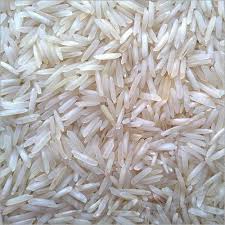
Here is a comprehensive overview of “Chandigarh Rice,” a term that represents one of the most significant agricultural products of the region surrounding the city.
1. The Core Concept: What is “Chandigarh Rice”?
The term “Chandigarh Rice” refers to the high-quality rice cultivated in the vast agricultural plains of Punjab and Haryana, for which Chandigarh is the capital and central hub. This region is the heartland of India’s Basmati rice production, a premium aromatic rice variety known globally for its exceptional quality.
Its reputation is built on:
Geographical Indication (GI) Status: The rice from this region, specifically Basmati, is protected under GI, meaning it possesses qualities and a reputation essentially attributable to its geographic origin.
Agricultural Dominance: Punjab and Haryana are among India’s top rice-producing states.
Export Hub: The region is a primary source for the export of Basmati rice to the Middle East, Europe, and North America.
2. The True Source: The Rice Bowl of India
The rice associated with Chandigarh is grown in the fertile alluvial plains of:
Punjab: Districts like Amritsar, Gurdaspur, Patiala, Jalandhar, and Kapurthala are legendary for their Basmati and non-Basmati rice production.
Haryana: Districts such as Karnal, Kurukshetra, Kaithal, and Ambala are also major contributors, with Karnal often called the “Basmati Bowl of India.”
3. Primary Varieties Grown
The “Chandigarh Rice” basket is dominated by two main categories:
1. Aromatic Basmati Rice (The Premium Category)
Characteristics: Long, slender grains with a distinctive aroma and fluffy, separate texture when cooked. The grains elongate significantly (more than twice their original length).
Key Varieties:
Pusa Basmati 1509: Early maturing, highly aromatic, and has a very long grain. It is extremely popular among farmers and consumers.
Pusa Basmati 1121: This variety revolutionized the Basmati industry. It has an exceptionally long grain and is responsible for India’s dominance in the global Basmati market.
Traditional Basmati (e.g., Taraori/Basmati 386): Known for an even more intense aroma but with lower yield, making it a premium, niche product.
2. Non-Basmati Rice (High-Yielding Varieties)
Characteristics: These are parboiled or raw white rice varieties used for daily consumption across India. They are less aromatic but have a higher yield.
Key Varieties:
PR (Pusa Rh) Series: e.g., PR 114, PR 121, PR 126. These are high-yielding, disease-resistant varieties developed for the Punjab region.
Pusa 44: Although now being phased out due to high water requirements, it was a very popular high-yielding variety in Punjab for decades.
4. Key Features of Chandigarh Region Rice
Quality: The rice, especially Basmati, from this region is considered the gold standard due to the ideal combination of climate, soil, and water.
Grain Quality: The grains are known for their consistent length, aroma, and low breakage percentage.
Processing: The region has a dense network of modern rice mills (“shellers”) that mill, sort, and polish the rice to meet domestic and international standards.
5. The “Chandigarh” Advantage: Why the Region Excels
Agro-Climatic Conditions: The specific combination of intense heat during the growing season followed by cooler temperatures during harvesting is perfect for developing the aroma and texture in Basmati.
Research and Development: The Punjab Agricultural University (PAU), Ludhiana, and the Indian Agricultural Research Institute (IARI), which has a regional station in Karnal, have been instrumental in developing the high-yielding and aromatic varieties that farmers grow today.
Farm Management: Farmers in this region are highly skilled and have access to advanced irrigation and harvesting technologies.
6. Crop Cycle (Kharif Season)
Rice is a Kharif (monsoon) crop in this region:
Nursery Sowing: Mid-May to June.
Transplanting: June to July (a labor-intensive process known as Ropa).
Harvesting: September to October.
7. Economic and Cultural Significance
Economic Powerhouse: Basmati rice is a major export commodity, earning India billions of dollars in foreign exchange. The entire supply chain, from farming to milling to exporting, is a significant source of employment and income.
Staple Food: Non-Basmati rice is a staple food for a large part of the Indian population.
Cultural Staple: While wheat is the traditional staple of Punjab, rice is equally important and is used in iconic dishes like Rajma-Chawal (kidney beans with rice) and various biryanis and pulaos.
8. Challenges and the Future
Water Intensive: Rice cultivation, especially high-yielding non-Basmati varieties, is a major contributor to groundwater depletion in Punjab. There is a strong push to move away from water-intensive varieties like Pusa 44.
Sustainable Practices: Efforts are being made to promote Direct Seeding of Rice (DSR) as an alternative to traditional transplanting to save water.
Diversification: Governments are encouraging farmers to diversify into less water-intensive crops like maize and cotton.
Conclusion
Chandigarh Rice is a symbol of agricultural prowess and premium quality. It represents the world-class Basmati and high-yielding rice produced in the fertile plains of Punjab and Haryana. While it drives the rural economy and is a source of national pride, it also sits at the center of critical debates about sustainable water use, making its future a key focus for agricultural policy in the region.
