
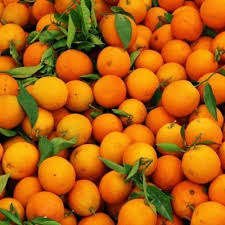
It’s important to clarify first: Chandigarh itself, being a city and union territory, is not a major area of kinnow cultivation. However, it acts as the epicenter, the brand, and the primary marketing hub for the world-famous Kinnow that is grown extensively in the surrounding regions of Punjab, Haryana, and parts of Himachal Pradesh. When people say “Chandigarh Kinnow,” they are referring to the fruit from this larger region, which is graded, packed, and traded through the Chandigarh mandis (markets).
1. What is Kinnow?
Kinnow is a hybrid citrus fruit, a cross between the ‘King’ orange (Citrus nobilis) and the ‘Willow Leaf’ mandarin (Citrus deliciosa). This hybridization was done by Dr. H.B. Frost at the University of California Citrus Research Station in 1915.
It was introduced to India in the 1950s and found the climatic conditions of the Punjab region to be perfect for growth, leading to its immense popularity and commercial success.
2. Characteristics & Appearance
Shape & Size: Slightly oblong or spherical, medium to large in size.
Skin: The skin is loose, thin, and easy to peel, with a deep orange to tangerine color. It often has a slightly rough texture.
Pulp & Segments: The fruit has 10-12 segments that separate easily. The pulp is juicy, tender, and has a rich, aromatic flavor.
Seeds: Traditionally, Kinnows were quite seedy. However, new seedless and low-seed varieties have been developed and are becoming more common.
3. The Flavor Profile
This is where Kinnow truly shines. It offers a perfect balance of:
Sweetness: A dominant, pleasant sweetness.
Tanginess: A distinct and refreshing tartness that cuts through the sweetness.
Aroma: A strong, fragrant citrus aroma that is released as soon as you peel it.
The flavor is often described as richer and more complex than a standard orange.
4. Seasonality
The Kinnow season is a highlight of the North Indian winter.
Harvesting Period: It is typically harvested from December to March.
Peak Season: The fruit is at its juiciest and sweetest best during the months of January and February.
5. Why is it so Famous? (The “Chandigarh Kinnow” Brand)
The fruit from this region has earned a formidable reputation for several reasons:
Geographical Indication (GI) Tag: In 2015, the “Kinnow of Punjab” was awarded the GI tag, recognizing its unique quality derived from its specific geographic origin. The soil and climate of the region (hot, dry summer and cold winter) are ideal for developing its signature high sugar content and vibrant color.
Major Export: It is a huge foreign exchange earner for India. “Chandigarh Kinnow” is exported to countries like the UK, UAE, Philippines, Russia, Afghanistan, and many others.
Marketing Hub: The large fruit and vegetable market in Chandigarh (Mani Majra) is a key auction and distribution center, from where trucks laden with Kinnow crates travel across India and to ports for export.
6. Health Benefits
Kinnow is a powerhouse of nutrients:
Vitamin C: Extremely high in Vitamin C, boosting immunity and promoting healthy skin.
Dietary Fiber: Aids in digestion and helps maintain a healthy gut.
Antioxidants: Rich in antioxidants that fight free radicals and reduce inflammation.
Potassium: Helps regulate blood pressure.
Low in Calories: A healthy, low-calorie snack option.
7. How to Select and Store
Selecting: Choose fruits that are heavy for their size (indicating more juice), have a deep orange color, and feel firm with a slight give. The skin should be tight and blemish-free.
Storing: They can be stored at room temperature for a few days. For longer storage (up to two weeks), keep them in the refrigerator’s crisper drawer.
8. How to Enjoy Kinnow
Fresh: The best way is to simply peel and eat the segments.
Juice: It makes for an exceptionally delicious and refreshing juice. A glass of fresh Kinnow juice is a winter staple in North Indian households.
Salads: The segments add a sweet and tangy burst to fruit and green salads.
Desserts: Used as a topping for cheesecakes, in fruit custards, or in marmalades.
Chaat: Sometimes added to fruit chaat for a citrusy twist.
Preserves & Marmalade: Its slightly bitter peel makes it excellent for marmalades.
9. The “Kinnow Queen” & Festivals
The fame of Kinnow has even led to cultural events. Abohar, a major kinnow-growing city in Punjab, hosts an annual “Kinnow Festival” and crowns a “Kinnow Queen” to promote the fruit and its industry.
In summary, Chandigarh Kinnow is more than just a fruit; it’s a seasonal delicacy, a major agricultural product, and a symbol of the region’s winter. Its perfect blend of sweet and tangy flavor, combined with its health benefits and economic importance, has rightfully earned it the title of the “King of Citrus” in Northern India.
