
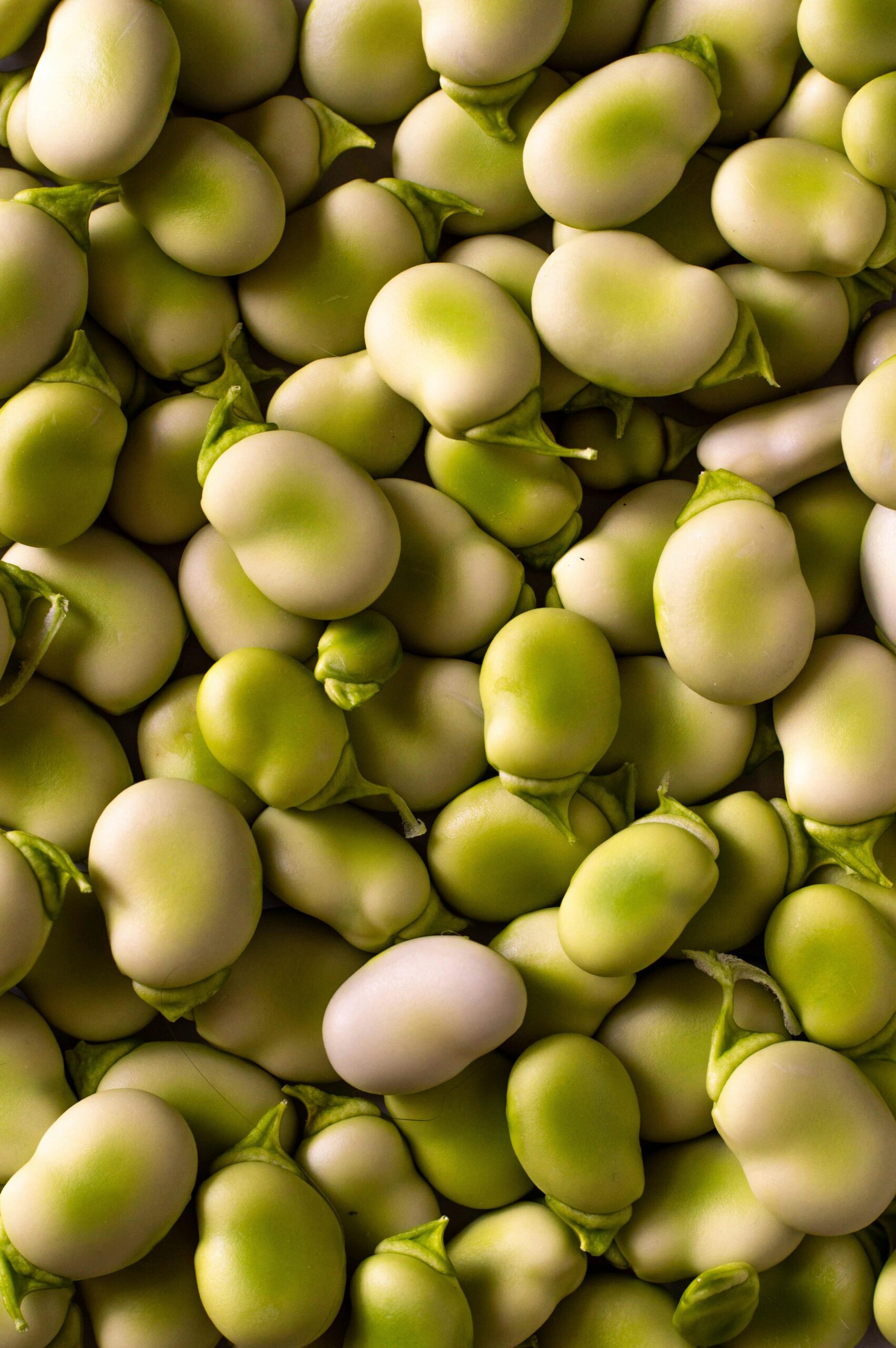
Soybean (Glycine max) is often called the “Miracle Crop” because it provides both high-quality protein (40%) and oil (20%). As of February 2026, the soybean market is navigating a complex landscape of record-breaking harvests in South America and shifting trade dynamics in the West.
1. Global Production & Market Trends (2026)
The 2025–26 marketing year is defined by “structural oversupply.” Global production has hit a record high of approximately 428 million metric tons.
-
Brazil’s Dominance: Brazil is the world leader, hitting a staggering record of 180 million metric tons this season. Brazil has solidified its spot as the top exporter, consistently outpricing the U.S. in the global market.
-
U.S. Situation: U.S. production remains strong (around 116–119 million tons), but exports have faced a “rough patch” due to high tariffs and trade tensions. However, U.S. farmers are pivoting by expanding “crush capacity”—processing beans domestically to meet the rising demand for Renewable Diesel.
-
The China Factor: China remains the world’s largest buyer (importing ~112 million tons). In 2026, China is shifting from “import expansion” to “inventory management,” meaning they are buying more strategically to buffer against political volatility.
2. Soybean in India (2025–26)
India is a major player in the non-GMO soybean market, which is highly valued in Europe and North America for food products.
-
Major Hubs: Madhya Pradesh (the “Soy State”) and Maharashtra account for nearly 90% of India’s production.
-
Current Status: For the 2025–26 season, India’s production is estimated at roughly 12.5 million metric tons.
-
Economic Shift: India has recently seen a surge in soybean oil exports to the U.S. and other markets, a reversal of its usual role as a pure importer.
-
Price Support: The Government of India continues to support farmers through a Minimum Support Price (MSP), which has helped stabilize acreage despite the lure of other crops like pulses.
3. The 2026 “Dual-Market” Split
In 2026, the industry is no longer viewed as one single market. It has split into two distinct profit drivers:
-
The Protein Segment (Soybean Meal): Primarily used for animal feed (poultry and swine). Demand is surging in Southeast Asia (Vietnam, Bangladesh) as meat consumption rises.
-
The Fat Segment (Soybean Oil): Increasingly tied to Energy Policy. In 2026, soybean oil is a primary feedstock for Sustainable Aviation Fuel (SAF) and Renewable Diesel, making soybean prices more sensitive to crude oil fluctuations than ever before.
4. Innovations & Technology
-
Herbicide Tolerance: In February 2026, the Enlist E3 Expance trait was introduced at the Commodity Classic. It offers tolerance to more herbicides (including HPPD inhibitors used in corn) to fight “super-weeds.”
-
Disease Resistance: New varieties like MakSoy 7N (released Feb 2026) are showing breakthrough resistance to Soybean Rust, a fungus that can wipe out entire fields if left unchecked.
-
Traceability: Blockchain-based “Soil-to-Shelf” tracking is becoming standard in 2026 to prove that soybeans were not grown on recently deforested land, particularly for exports to the EU.
5. Summary Table: Global Rankings (2026 Forecast)
| Rank | Country | Production (Est. 2026) | Key Strength |
| 1 | Brazil | 180.0M MT | Record yields and massive export infrastructure. |
| 2 | USA | 118.5M MT | Leader in Biofuel tech and domestic crushing. |
| 3 | Argentina | 48.0M MT | World’s top exporter of processed soy meal/oil. |
| 4 | China | 21.0M MT | Growing domestic production to reduce imports. |
| 5 | India | 12.5M MT | Top producer of high-value non-GMO soybeans. |
In India, soybean is a critical “dual-purpose” crop, providing both a staple cooking oil and a high-protein meal for the massive poultry and dairy industries. As of February 2026, the Indian soybean sector is navigating a period of lower production and shifting trade dynamics.
1. Production & Leading States (2025–26)
India’s soybean output for the current marketing year has seen a notable decline compared to the previous record season.
-
Total Output: Estimated at approximately 10.5 to 10.7 million metric tons (MMT), down about 12-16% from last year’s ~12.5 MMT.
-
The Yield Leader Shift: In a historic shift, Maharashtra has surpassed Madhya Pradesh to become the leading soybean producer in India, contributing roughly 4.67 MMT.
-
Madhya Pradesh (MP): The traditional “Soy State” saw a severe dip in production (to ~4.45 MMT) due to untimely rainfall and crop damage caused by Yellow Mosaic Virus and aerial blight.
-
Other Key States: Rajasthan (~0.56 MMT), Karnataka, and Telangana are also significant contributors.
2. Market Prices & MSP (2025–26)
Despite lower production, market prices have remained under pressure due to global trends and high domestic stock levels.
-
Minimum Support Price (MSP): For the 2025–26 season, the government set the MSP for yellow soybean at ₹5,328 per quintal (a 9% increase).
-
Market Reality: In early 2026, mandi (wholesale) prices have often hovered between ₹4,500 and ₹4,800, consistently staying below the MSP. This has led to some farmer dissatisfaction and a push for government procurement.
-
Futures Market: Note that futures and options trading for soybean in India is currently suspended until March 31, 2026, by SEBI to control price volatility.
3. The 2026 Trade Dilemma
India’s soybean industry is currently facing a “squeeze” in the global market:
-
Oilmeal Exports: Indian soymeal exports plunged by nearly 54% in January 2026 compared to last year. This is because Indian soymeal has become more expensive than supplies from South America, making it less competitive in international markets.
-
Edible Oil Imports: To bridge the domestic gap, India remains heavily dependent on imports. In 2026, soybean oil consumption in India is expected to rise to 6.4 MMT, with the majority being imported from Argentina and Brazil.
-
The Non-GMO Advantage: India remains the world’s largest producer of non-Genetically Modified (non-GMO) soybeans, which allows it to maintain a niche export market for food-grade soy products in Europe and North America.
4. Key Challenges & Innovations
-
Varietal Replacement: Because the popular varieties in MP and Maharashtra have become susceptible to disease, 2026 is seeing a massive push for new, resistant seeds like MakSoy 7N.
-
Climate Stress: Erratic rainfall patterns during the 2025 monsoon (Kharif) season led to smaller grain sizes, which has directly impacted the oil recovery percentage during crushing.
-
Plant-Based Surge: Domestically, there is a growing demand for food-grade soy (tofu, soy milk, soy chunks), which is projected to reach 820,000 metric tons in 2026 as Indian consumers shift toward plant-based protein.
5. Summary Table: Indian Soybean at a Glance (2026)
| Metric | Status / Value |
| National Production | ~10.54 Million Metric Tons |
| Top State | Maharashtra (Surpassed MP in 2025-26) |
| MSP (2025-26) | ₹5,328 per quintal |
| Current Market Price | ₹4,500 – ₹4,800 (Below MSP) |
| Primary Challenge | Disease (Yellow Mosaic) & Export uncompetitiveness |
