
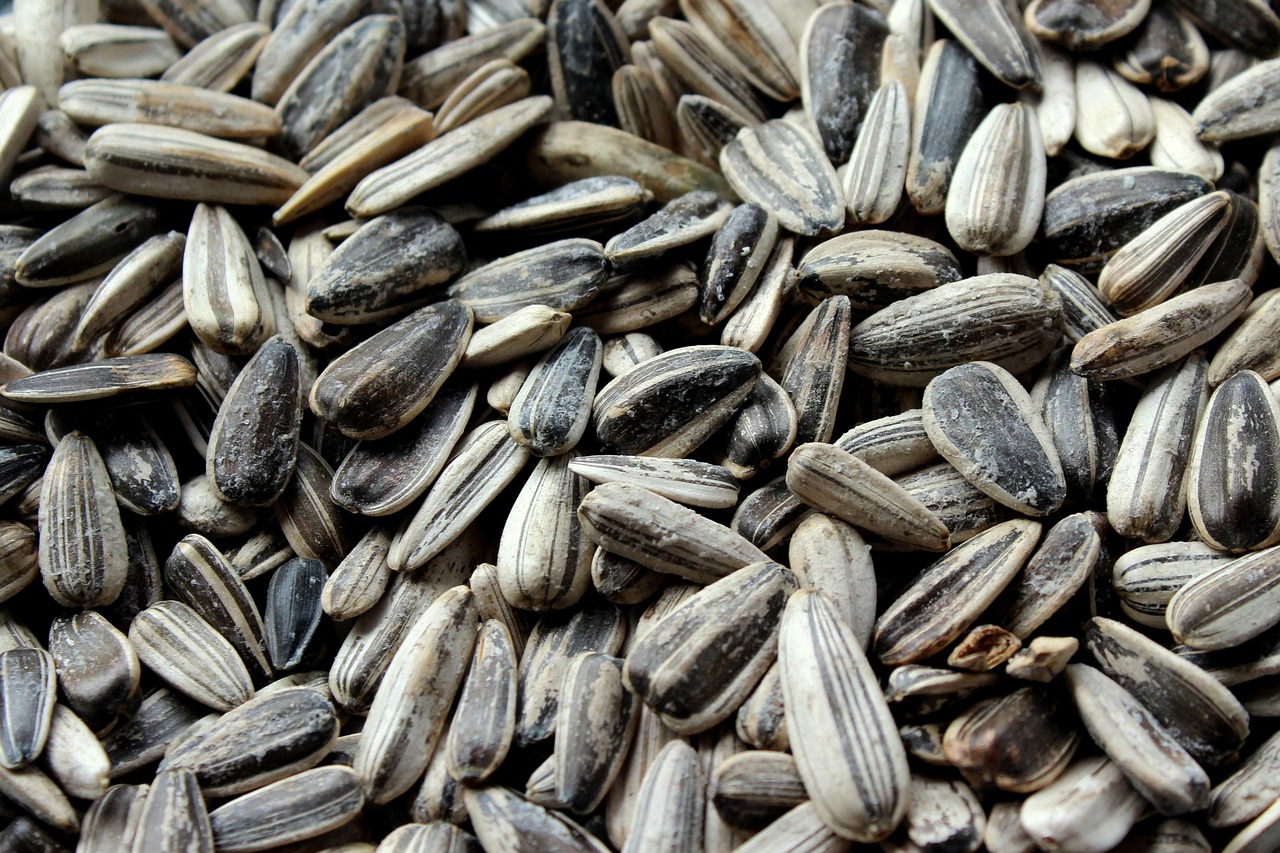
Sunflowers (Helianthus annuus) are iconic not just for their appearance, but as a critical global source of healthy oil and high-protein fodder. As of 2026, the sunflower market is valued at approximately $25.2 billion, driven by a worldwide shift toward heart-healthy plant-based fats.
1. Global Production Outlook (2025–2026)
The global sunflower seed supply is seeing a robust recovery after recent years of volatility.
-
Production Growth: Global output is forecast to reach 56.6 million tonnes in the 2025–26 season, a 9% increase year-on-year.
-
Top Producers: * Russia: Remaining the world leader with a projected harvest of 18.3 million tonnes.
-
Ukraine: Forecasted to grow significantly by 11% to reach 14.5 million tonnes, though still recovering to pre-conflict levels.
-
European Union: Expected to produce 9.4 million tonnes, up 14% from the previous year.
-
-
The US Surge: The United States is seeing a massive 57% increase in production in 2025-26, fueled by expanded acreage in the Dakotas.
2. Sunflower in India (2025–26)
While India is the world’s largest importer of sunflower oil, it is making steady strides to boost domestic production under the National Mission on Edible Oils (NMEO).
-
Production Hubs: * Karnataka: The dominant producer, accounting for nearly 80% of national output.
-
Other key states: Haryana, Maharashtra, Telangana, and Tamil Nadu.
-
-
2026 Season Stats: * Area Coverage: Summer sowing in early 2026 has reached 0.07 lakh hectares, showing a slight upward trend compared to last year.
-
Price Forecast: Market intelligence predicts prices for the early 2026 harvest will hover between ₹4,300 and ₹4,600 per quintal.
-
-
Technological Shift: New hybrids like PSH 2080 and KBSH-88 are being promoted, offering higher oil content (up to 43%) and shorter durations (approx. 90–100 days) to fit into multi-crop rotations.
3. The Sunflower Economy & Trends
In 2026, the industry is moving beyond just “cooking oil”:
-
High-Oleic Varieties: There is a surging demand for “High-Oleic” sunflower oil, which has superior frying stability and is being used by major food brands to replace trans-fats.
-
Sustainable Aviation Fuel (SAF): In 2026, sunflower oil is being increasingly explored as a “low-carbon” feedstock for green jet fuel, particularly in Europe and Brazil.
-
Phytoremediation: Sunflowers are being used in “Green Technology” to clean soil; their deep roots can absorb toxins like lead, arsenic, and even radioactive waste from contaminated land.
4. Key Uses & By-products
| Product | Primary Use in 2026 |
| Sunflower Oil | Premium cooking oil, cosmetics (skin barrier repair), and biodiesel. |
| Sunflower Meal | High-protein residue after oil extraction, used as essential cattle and poultry feed. |
| Seeds (Snack) | Increasing popularity in “healthy snacking” markets (Roasted/Flavored). |
| Stalks/Hulls | Used in the production of high-fiber animal fodder or compressed into fuel pellets. |
Gemini said
In India, sunflower is a vital oilseed crop that helps bridge the gap between domestic production and the country’s massive edible oil imports. As of February 2026, the Indian sunflower industry is seeing a renewed focus on self-reliance through the National Mission on Edible Oils (NMEO).
1. Production Status (2025–26)
India is currently the world’s largest importer of sunflower oil, primarily from Russia and Ukraine. Domestically, production is small but strategically important.
-
Acreage: During the current Yasangi (Rabi) season of 2025–26, sunflower has occupied about 0.34 lakh hectares, a slight increase from last year.
-
Total Production: All-India sunflower production for 2025–26 is estimated at 0.64 lakh tonnes.
-
Yield Leaders: Bihar has the highest productivity (approx. 1,402 kg/ha), while Karnataka remains the leader in total area and volume.
2. Leading Sunflower States (2026)
Sunflower cultivation is concentrated in a few states, with the Southern and Central belts dominating.
3. 2026 Pricing & Government Support
The government has significantly hiked support prices to encourage farmers to move away from water-intensive crops like paddy.
-
Minimum Support Price (MSP): For the 2025–26 season, the MSP for sunflower seed is fixed at ₹7,721 per quintal, a substantial increase of ₹441 over the previous year.
-
Market Price Forecast: As of February 2026, pre-harvest price forecasts suggest market rates will hover between ₹4,300 and ₹4,600 per quintal, meaning the government’s MSP remains a critical safety net.
-
Subsidies: Under the NMEO, farmers receive free high-quality seeds, bio-pesticides, and reflective ribbons (to ward off birds).
4. Current Challenges in 2026
-
The “March Heat” Threat: As of late February 2026, the India Meteorological Department (IMD) has warned of record heat in March. This is a major concern for rabi sunflower, as extreme heat during the “seed-filling” stage can shrink the seeds and reduce oil content.
-
Bird Predation: Parrots and sparrows remain a unique challenge for Indian sunflower farmers, often causing up to 30% yield loss if not guarded.
-
Import Dependence: Domestic production still only meets a tiny fraction of India’s demand (approx. 10–12%), making the market highly sensitive to global price shifts in Russia and Ukraine.
5. New Technology & Hybrid Varieties
In 2026, agricultural universities are promoting short-duration hybrids to help farmers fit sunflower into their crop rotations:
-
Tillhan tech SUN H-1: A 90–95 day variety with 39-40% oil content.
-
KBSH-88: Widely used in Karnataka for its drought resistance.
-
Drone Spraying: For the first time, sunflower clusters in Telangana and Haryana are using drones for nutrient application to overcome labor shortages.
