
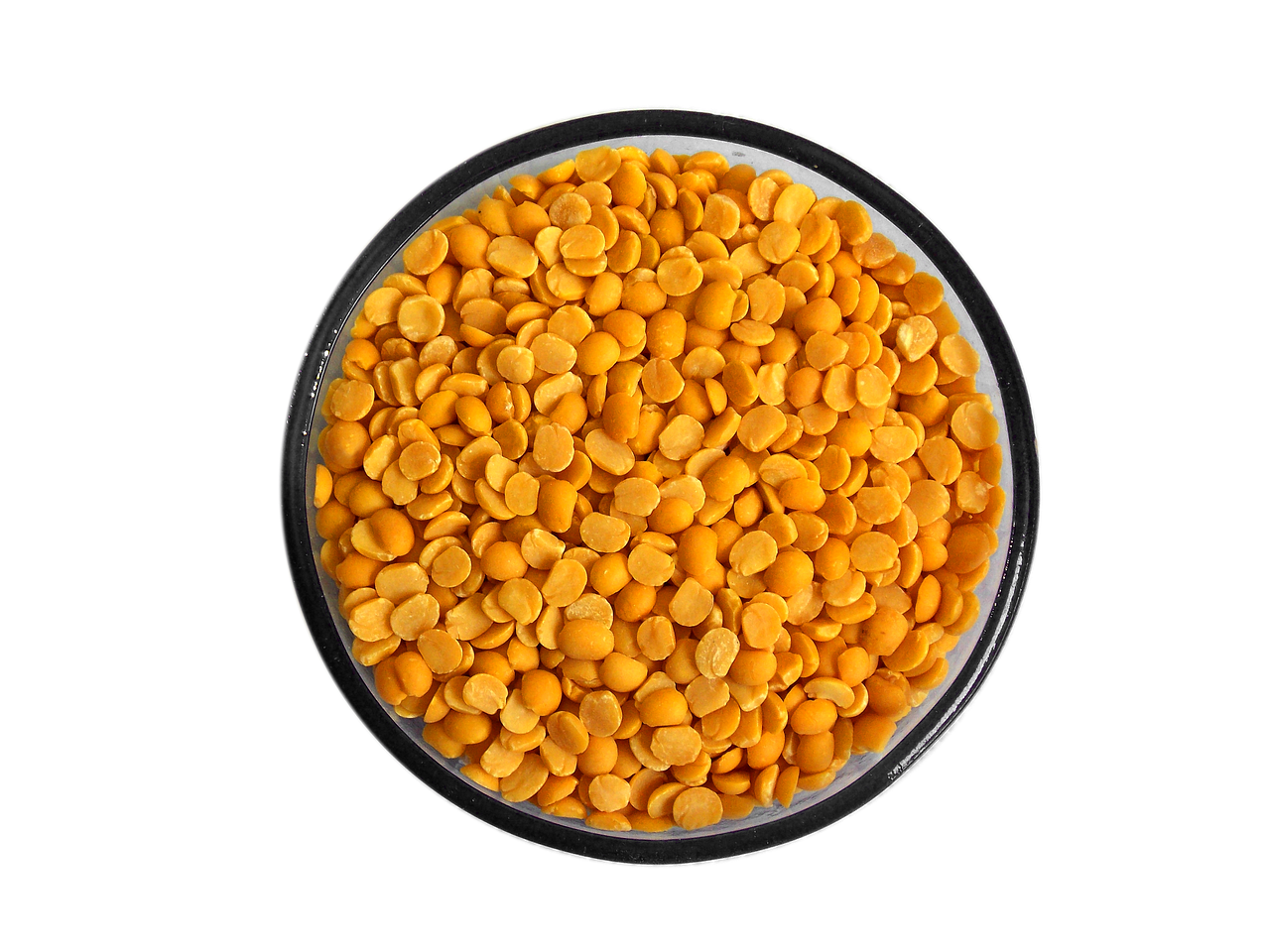
Tur (or Arhar/Pigeon Pea) is arguably India’s most important pulse, forming the backbone of the daily diet. As of February 27, 2026, the crop is in a volatile phase due to a mix of lower production estimates and high market prices.
1. 2026 Production & Challenges
The 2025–26 crop year (July–June) has been challenging for Tur farmers.
-
Production Drop: Estimates suggest an output of 3.2 to 3.3 million tonnes, down roughly 7–10% from last year.
-
The “Cold Spell” Effect: In late January and early February 2026, unusually low temperatures in the Vidarbha (Maharashtra) and Gulbarga (Karnataka) belts hit the crop during the critical flowering stage, reducing potential yields.
-
Erratic Monsoon: Heavy tail-end rains in late 2025 caused waterlogging in Karnataka and Jharkhand, which stunted growth before the winter set in.
2. Leading States (2026)
Tur is a long-duration crop (taking 150–200 days), primarily grown in:
-
Karnataka: The largest producer, though output this year is only about 60% of normal due to untimely rains.
-
Maharashtra: Ranks second; the Vidarbha region is the major hub, though hit by recent cold waves.
-
Uttar Pradesh: A steady producer, particularly in the Bundelkhand region.
-
Madhya Pradesh: Noted for high-quality Desi Arhar.
3. Prices & The “Aatmanirbhar” Mission
Because of the supply shortfall, Tur prices have surged in early 2026.
-
Retail Prices (Feb 2026): Tur Dal is currently retailing between ₹120 and ₹140 per kg across most metros, with prices in Mumbai and Chennai hitting the higher end.
-
MSP (2025–26): The government set the Minimum Support Price at ₹8,000 per quintal (a significant ₹450 jump from last year).
-
Self-Sufficiency Goal: In October 2025, the PM launched the Mission for Aatmanirbharta in Pulses, aiming for zero imports of Tur, Urad, and Masoor by December 2027.
-
100% Procurement: Under this mission, the government has committed to buying 100% of Tur production from registered farmers at MSP for the next four years.
4. Market Strategy for 2026
To control the rising prices of “Arhar Dal,” the Indian government has taken two major steps this month:
-
Duty-Free Imports: Extended duty-free imports of Tur from African nations (Myanmar, Mozambique, Malawi) through 2026 to bridge the 1-million-ton domestic gap.
-
Stock Monitoring: Strict limits have been placed on how much Tur wholesalers and retailers can hold to prevent hoarding and artificial price hikes.
5. Summary Table: Tur in 2026
| Metric | 2026 Current Data |
| Est. Production | 3.2 – 3.3 Million Tonnes |
| MSP (2025-26) | ₹8,000 per quintal |
| Retail Price (Avg) | ₹125 – ₹135 per kg |
| Primary Risk | Terminal heat in March & previous cold damage |
In India, Tur (Pigeon Pea or Arhar) is currently the focus of a major national mission. As of late February 2026, the crop is being harvested across major belts, with the government making aggressive moves to achieve self-sufficiency by 2027.
1. Production Outlook (2025–2026)
The 2025–26 season has faced weather-related hurdles, leading to a tighter supply than originally anticipated.
-
Total Output: Estimated at 3.0 to 3.3 million metric tons (MMT), a drop from the previous year’s 3.5 MMT.
-
Weather Impact: Heavy monsoon rains in late 2025 damaged crops in Karnataka (specifically Kalaburagi) and Jharkhand, while Maharashtra saw a better-than-expected recovery in the Vidarbha region.
-
Leading States: 1. Maharashtra: Accounts for nearly 40% of national production.
2. Karnataka: Traditionally the “Tur Bowl,” but yields were hit by waterlogging this season.
3. Gujarat & Madhya Pradesh: Significant contributors with a focus on high-yield varieties.
2. Prices & Government Procurement (Feb 2026)
To incentivize farmers, the Indian government has implemented a 100% procurement guarantee for Tur until 2028–29.
-
MSP (2025–26): Fixed at ₹8,000 per quintal (a ₹450 increase over the previous year).
-
Mandi Rates: As of February 24, 2026, prices in major hubs like Gulbarga and Latur are trading between ₹8,300 and ₹8,900, consistently staying above the MSP due to high demand.
-
Procurement Launch: On February 23, 2026, the Gujarat government officially began purchasing Tur at MSP to protect farmers during the peak harvest arrivals.
3. Retail Market & Imports
Despite domestic efforts, India still relies on imports to bridge the 1.5 MMT gap between production and consumption.
-
Retail Prices: Tur Dal is currently retailing between ₹115 and ₹135 per kg across most Indian states.
-
Free Import Policy: The government has extended the duty-free import of Tur until March 31, 2026, allowing unlimited supplies from Myanmar and East African nations (like Mozambique and Tanzania) to stabilize consumer prices.
-
Bharat Dal: To provide relief, the government continues to sell subsidized “Bharat Dal” through NAFED and NCCF outlets at lower-than-market rates.
4. Key Trends in 2026
-
Self-Sufficiency Goal: India aims for zero imports of Tur by December 2027.
-
Digital Registration: Over 1.33 lakh farmers in Gujarat alone registered on government portals by February 2026 for assured selling.
-
Terminal Heat: Agricultural scientists are monitoring a rise in temperatures this week (late Feb 2026), as sudden heat can “shrivel” the late-harvested pods and reduce oil and protein content.
Summary Table: Tur at a Glance (2026)
| Metric | 2026 Status |
| National Production | ~3.0 – 3.2 Million Tonnes |
| MSP (2025-26) | ₹8,000 per quintal |
| Avg. Retail Price | ₹125 per kg |
| Top Producer | Maharashtra |
