
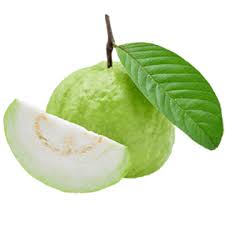
Here is a comprehensive overview of the “Chandigarh Guava,” continuing the pattern of high-quality regional produce.
1. The Core Concept: What is “Chandigarh Guava”?
The term “Chandigarh Guava” refers to the high-quality guavas cultivated in the gardens, farms, and orchards within the union territory of Chandigarh and its immediate periphery in Punjab and Haryana. Its reputation stems from:
Optimal Growing Conditions: The region’s climate is well-suited for guava cultivation.
Adoption of Superior Varieties: Farmers and horticulturists predominantly grow improved, high-yielding varieties.
Scientific Horticulture: Use of modern techniques for pruning, irrigation, and nutrient management, often promoted by institutions like the Punjab Agricultural University (PAU), Ludhiana.
Freshness for the Local Market: Being grown near a major urban center like Chandigarh ensures the guavas are sold at peak freshness, often directly from the orchard to the market.
2. Primary Varieties Grown in the Region
The “Chandigarh Guava” is typically represented by one of two excellent, modern varieties:
1. Allahabad Safeda
This is the most common and iconic variety found in North Indian markets.
Characteristics:
Shape & Size: Roundish, medium to large-sized fruits.
Skin: Light green to yellowish-green when ripe, smooth texture.
Pulp: Crisp, white flesh with a very fine texture and few seeds.
Taste: Sweet with a mild acidity, making it incredibly versatile.
Why it’s popular: Excellent for eating fresh and for processing into juices, jams, and jellies.
2. L-49 (Lucknow-49)
A very popular selection, known for its high yield and quality.
Characteristics:
Shape & Size: Round, medium-sized fruits.
Skin: Smooth and greenish-yellow.
Pulp: Creamy white, very sweet, and aromatic with a soft, almost seedless texture.
Taste: Noted for its exceptional sweetness and pleasant flavor.
While other varieties like Apple Guava (with pink flesh) may also be found, Allahabad Safeda and L-49 dominate the commercial landscape.
3. Key Features and Characteristics
Quality: The fruits are generally uniform in size, have fewer blemishes, and are less prone to pest damage due to better orchard management.
Taste: Known for a perfect balance of sweetness and slight tang, with a pleasant aroma.
Texture: The flesh is often firm and crisp, the way most people in the region prefer it for eating fresh.
Seasonality: Guava is a winter fruit in North India. The main season is from November to February, when the quality is at its peak. However, with modern practices, a second, smaller crop can sometimes be achieved during the monsoon.
4. The “Chandigarh” Advantage: Why the Quality is High
The reputation is built on the agricultural expertise in the region:
Scientific Pruning: This is a critical practice for guavas. Proper pruning after harvesting helps maintain the tree’s shape, allows sunlight penetration, and encourages new growth for the next season’s yield, resulting in better-quality fruit.
Nutrient Management: Balanced use of fertilizers, with an emphasis on organic manures, improves soil health and fruit taste.
Bagging: To protect the fruit from pests like fruit flies and borer insects, and to ensure blemish-free skin, farmers often use the technique of bagging individual fruits while they are still developing on the tree. This is a sign of high-quality cultivation.
5. Health Benefits of Guava
The Chandigarh Guava is a nutritional powerhouse, offering all the renowned benefits of the fruit:
Vitamin C Powerhouse: Contains 4-5 times more Vitamin C than an orange, boosting immunity.
Excellent for Digestion: Very high in dietary fiber.
Rich in Lycopene: An antioxidant that is good for heart health and skin (especially in pink-fleshed varieties).
Diabetic-Friendly: Has a low glycemic index and high fiber content, helping to regulate blood sugar levels.
Weight Management: Low in calories and high in nutrients, making it an ideal snack.
6. How to Eat and Enjoy It
Fresh: The most common way is to eat it fresh, sliced or bitten into like an apple. In North India, it is often enjoyed with a sprinkle of chaat masala or black salt to enhance its flavor.
Juice and Shakes: Guava juice is extremely popular, and guava shakes are a common street food and home-made beverage.
Chutney & Jams: Its high pectin content makes it ideal for making jellies and jams.
Conclusion
The Chandigarh Guava is a testament to the successful cultivation of superior guava varieties (primarily Allahabad Safeda and L-49) using advanced horticultural techniques in the region’s favorable climate. It is not a distinct species but a marker of quality, freshness, and taste. For the people of Chandigarh, the arrival of winter is synonymous with the availability of these crisp, sweet, and fragrant guavas in their local markets, making it a staple and beloved seasonal fruit.
