
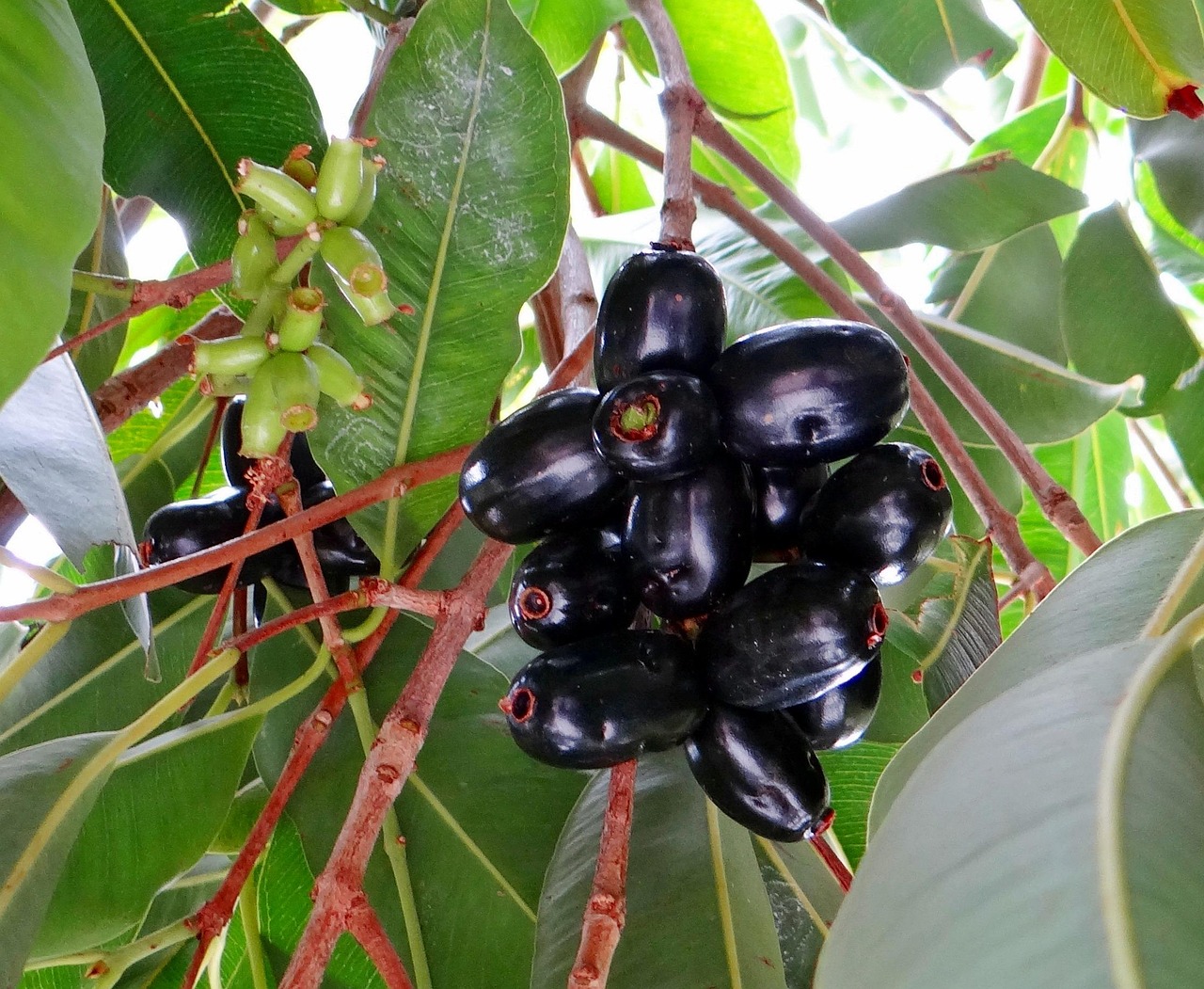
“Chandigarh Jaamun” refers to the high-quality cultivation of the Indian black plum, known as Jaamun or Java Plum, in and around the Chandigarh region.
Here is a detailed overview of the Chandigarh Jaamun.
1. What is “Jaamun”? (The Fruit Itself)
It’s essential to first understand the fruit independent of its location.
Botanical Name: Syzygium cumini
Common Names: Java Plum, Black Plum, Indian Blackberry, Malabar Plum. In India, it is universally known as Jaamun.
Description: The fruit is a small, oblong berry, typically 1-2 centimeters long. When unripe, it is green, turning to a vibrant pink/red and finally to a deep, glossy purple or almost black when fully ripe.
Taste: The taste is a unique combination of sour, sweet, and astringent. The flesh is juicy and has a distinctive purple pigment that can stain.
Seed: It has a single, large, hard seed in the center.
Season: It is a highly seasonal fruit, with a very short harvesting period typically during the monsoon season, from June to July.
2. The “Chandigarh” Connection: Why It’s Notable
While Jaamun trees grow wild across India, the “Chandigarh Jaamun” gains its reputation from cultivated, superior-quality trees in the region.
Urban Orchards and Gardens: Chandigarh’s extensive green belts, parks, and institutional gardens (like Panjab University) host many well-maintained Jaamun trees. These trees often receive better care than their wild counterparts.
Quality of Fruit: The fruits from these tended trees are often larger, juicier, and less astringent than wild varieties due to better access to water and nutrients.
Local Popularity: During its brief season, Jaamun becomes a common sight in local Chandigarh markets and on street vendor carts, making it a seasonal specialty that residents look forward to.
3. Key Characteristics of Chandigarh Jaamun
Appearance: Glossy, deep purple-to-black skin. The fruits are generally plump and less blemished.
Taste: A more balanced and sweeter flavour profile compared to sour wild varieties, though it still retains its characteristic tang and astringency.
Cultural Habit: It is a fruit deeply enjoyed as a casual, seasonal snack. Eating it is a social and nostalgic activity, often leading to purple-stained fingers and tongues.
4. Health Benefits of Jaamun
The Chandigarh Jaamun shares the profound health benefits for which the fruit is renowned in Ayurveda and modern nutrition:
Diabetic Control (Most Famous Benefit): Jaamun is celebrated for its anti-diabetic properties. The seeds, in particular, are dried, powdered, and consumed to help lower blood sugar levels.
Rich in Vitamin C: Boosts immunity and improves skin health.
Digestive Health: The high fiber content aids digestion and can help relieve constipation.
Blood Purifier: Traditionally used as a blood cleanser.
Rich in Antioxidants: The deep purple colour comes from anthocyanins, powerful antioxidants that fight oxidative stress.
Cooling Effect: Considered to have a cooling effect on the body, making it a perfect fruit for the hot summer months.
5. How to Eat and Enjoy It
Fresh: The most common way is to eat it fresh. The ripe, black fruit is plucked and eaten directly. Be cautious of the hard seed.
With Salt: A sprinkle of black salt or regular salt enhances its flavour and reduces the astringent taste.
Juice & Sherbets: Jaamun juice is a popular and refreshing summer drink. It is often made into sherbets (sweetened drinks) that are both delicious and therapeutic.
Vinegar and Chutney: The fruit is used to make a distinctive, tangy vinegar. It can also be made into chutneys and preserves.
6. A Note on the “Chandigarh” Specifics
Unlike the banana (which was a record-breaking single plant) or the papaya/ber (which have named, improved varieties like Red Lady and Umran), the “Chandigarh Jaamun” is less about a specific cultivar and more about the availability and quality of the fruit in the urban environment of Chandigarh.
There are no widely recognized, named commercial varieties of Jaamun specific to Chandigarh. The fruit’s quality comes from the tree’s health and the region’s ability to produce good-quality fruit that is efficiently supplied to a large, urban market.
Conclusion
Chandigarh Jaamun is a seasonal delicacy that signifies the enjoyment of high-quality Java Plums available in the Chandigarh region during their short summer season. It is prized not as a commercial cultivar but as a beloved, traditional fruit that is deeply connected to the local culture and cuisine for a few weeks each year. Its reputation is built on the superior quality of fruit from well-maintained urban trees and its prominence in local markets, making it a nostalgic and healthy part of Chandigarh’s seasonal food cycle.
