
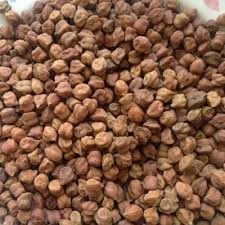
Here is a comprehensive overview of Chickpeas from the Jammu and Kashmir region of India.
Chickpea is one of the most important Rabi (winter) pulse crops in the region, playing a vital role in local food security, cuisine, and agricultural sustainability. It is cultivated in both the Jammu division and the Kashmir Valley, with distinct varieties and uses.
Overview: A Staple Rabi Pulse
In Jammu and Kashmir, chickpea (Cicer arietinum), known locally as “Channa,” “Chola,” or “Boot” is a fundamental Rabi crop, sown after the monsoon rains recede and harvested in the spring. It is a key source of protein in the predominantly vegetarian diet of the region and is deeply integrated into the local food culture.
Key Characteristics of J&K Chickpeas
Two Main Types: Two primary varieties are cultivated, each with its own preferred region:
Desi Chickpea: These are smaller, darker, and have a thicker seed coat. They are more robust and are widely grown in the Jammu division. They have a stronger, earthier flavor and are often used in rustic curries or ground into flour (Besan).
Kabuli Chickpea: These are the larger, lighter-colored, and rounder chickpeas with a thinner coat. They are more common in the Kashmir Valley and are the type typically used in dishes like Chole.
Nutritional Powerhouse: Like all chickpeas, the J&K varieties are an excellent source of:
Plant-based Protein: Essential for a balanced diet.
Dietary Fiber: Promotes digestive health.
Complex Carbohydrates: For sustained energy.
Folate, Iron, and Phosphorus.
Soil Health: As a legume, chickpea fixes atmospheric nitrogen in the soil through a symbiotic relationship with bacteria in its root nodules. This improves soil fertility for the next crop in the rotation (like maize or rice), reducing the need for synthetic fertilizers.
Cultivation in Jammu & Kashmir
Growing Regions:
Jammu Division: A major producer, especially of the Desi variety. Cultivation is widespread in the plains and lower hills of districts like Jammu, Samba, Kathua, and Rajouri.
Kashmir Valley: Cultivated in areas like Pulwama, Budgam, Anantnag, and Baramulla. The Kabuli variety is more prevalent here due to market demand and slightly different growing conditions.
Season: It is a Rabi crop, sown from October to November and harvested from March to April.
Economic Importance: Chickpea is a crucial cash crop for thousands of farmers. It provides a reliable source of income and the dried grains can be stored for long periods, ensuring food availability.
Primary Uses and Culinary Significance
Chickpeas from J&K are used in a multitude of ways, forming the backbone of many traditional dishes.
1. Culinary Uses
As a Dry Pulse (Chole/Channa): This is the primary use.
Kashmiri Channa: A famous local dish where chickpeas are cooked in a flavorful gravy with tea leaves or naunerr (a type of soda) to soften them, along with spices like fennel, ginger, and cinnamon.
Chole Bhature: A popular North Indian dish where spicy chickpeas are served with fried bread.
Simple Boiled or Curried: Eaten with rice or rotis as a daily staple.
Chickpea Flour (Besan): The dried chickpeas are ground into a flour that is incredibly versatile.
Used to make pancakes (chilla), fritters (pakoras), and sweets (laddu, besan ki barfi).
Used as a thickening agent in gravies.
Fresh Green Chickpeas (Hara Channa): In the spring, the tender, green chickpeas are harvested and eaten as a snack or cooked as a vegetable, much like green peas.
2. Other Uses
Animal Feed: The husks and broken grains are used as nutritious fodder for livestock.
Soil Improvement: The plant residues after harvest are plowed back into the soil as organic matter.
How to Find and Use J&K Chickpeas
Form: You can find them as:
Whole Dried Chickpeas (Kabuli – large and light, or Desi – small and dark)
Split Chickpeas (Chana Dal)
Chickpea Flour (Besan)
Fresh Green Chickpeas (in-season)
Where to Buy:
In Jammu & Kashmir: Available in all local grain markets (mandis), grocery stores, and mills.
In other parts of India: Widely available. Chickpeas from the North Indian region, including J&K, are common in the market. They are rarely branded by specific state outside of specialty or organic stores.
Internationally: Available in all Indian/Pakistani grocery stores worldwide. The packaging will typically not specify the origin as J&K, but will be part of the general supply from India.
Comparison with Other Pulses in J&K
Feature Chickpea (Channa) Cowpea (Lobia) Field Pea (Vatter)
Season Rabi (Winter) Kharif (Monsoon) Rabi (Winter)
Primary Use Pulse & Flour Vegetable & Pulse Pulse
Key Variety Desi & Kabuli – –
Local Name Channa, Boot Rawan, Lobia Vatter
Conclusion
Chickpeas from Jammu and Kashmir are a fundamental agricultural product and a dietary cornerstone. They are not just a source of sustenance but a key ingredient in the region’s rich culinary identity, from the hearty Kashmiri Channa to the versatile Besan used in countless recipes. As a hardy, soil-enriching crop, it supports both the economic well-being of farmers and the ecological health of the farmland. For an authentic taste of North Indian and Kashmiri pulse-based cuisine, the humble chickpea from this region is indispensable.
