
Here is a comprehensive overview of Lentils from the Jammu and Kashmir region of India.
Lentils are a fundamental pulse crop and a dietary staple in Jammu and Kashmir, forming the backbone of daily nutrition and traditional cuisine. While the region is not one of India’s largest lentil producers, its cultivation is significant for local consumption and food security.
Overview: A Staple Rabi Pulse
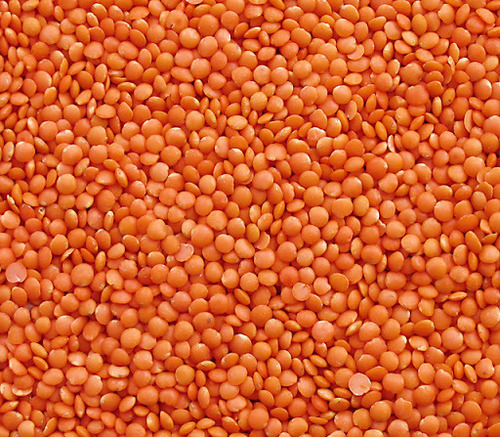
In Jammu and Kashmir, lentils (collectively known as “Masoor” or “Daal”) are primarily grown as a Rabi (winter) crop. They are a crucial source of plant-based protein, especially in vegetarian diets. The most common type of lentil cultivated is the Red Lentil, which is sold whole with its skin (Sabut Masoor) or split and skinned (Masoor Daal).
Key Characteristics of J&K Lentils
Nutritional Profile: Like all lentils, the J&K varieties are a powerhouse of:
Protein: Essential for body repair and growth.
Dietary Fiber: Promotes digestive health.
Complex Carbohydrates: Provides sustained energy.
Iron, Folate, and Potassium.
Adaptability: Lentils are a relatively hardy crop that can thrive in the cooler Rabi season and are well-suited to the various microclimates within J&K, particularly the plains of Jammu.
Soil Health: As a legume, lentils play a vital role in sustainable agriculture by fixing atmospheric nitrogen in the soil through root nodules. This enhances soil fertility for the next crop in the rotation (like maize or rice), reducing the need for chemical fertilizers.
Cultivation in Jammu & Kashmir
Growing Regions: Cultivation is more concentrated in the Jammu division due to its warmer plains compared to the cooler Kashmir Valley. Key districts include Jammu, Samba, Kathua, and Rajouri.
Season: It is a Rabi crop, sown in October-November after the monsoon and harvested in March-April.
Scale: While important locally, lentil cultivation in J&K is on a smaller scale compared to the “lentil belt” of central India (Madhya Pradesh, Uttar Pradesh, Bihar). It is often grown as a mixed crop or intercrop with wheat, barley, or mustard to maximize land use and minimize risk.
Primary Uses and Culinary Significance
Lentils are an indispensable part of the daily diet in J&K, just as they are across the Indian subcontinent.
1. Culinary Uses
As a Split Pulse (Masoor Daal): This is the most common form of consumption.
A simple, everyday Daal is made by boiling the split lentils and tempering them with spices like cumin, asafoetida, turmeric, and red chili, often finished with a drizzle of mustard oil or ghee.
It is a staple accompaniment to rice (daal-chawal) or flatbreads (roti).
Whole Lentils (Sabut Masoor):
Used to make a thicker, heartier curry.
Can be sprouted and used in salads for added nutrition.
In Local Cuisine: Lentils are incorporated into various regional dishes. While not as iconic as some Kashmiri specialties, a simple, well-made Masoor Daal is a comfort food in households across both Jammu and Kashmir.
How to Find and Use J&K Lentils
Form: You can find them as:
Whole Brown/Green Lentils (Sabut Masoor)
Split and Skinned Orange/Red Lentils (Masoor Daal – the most common form)
Where to Buy:
In Jammu & Kashmir: Readily available in all local grain markets (mandis), grocery stores, and millers.
In other parts of India: Widely available everywhere. Lentils are a generic commodity, and it is very rare to find them specifically branded from J&K outside the region, as they are part of the national supply chain.
Internationally: Available in all Indian, Pakistani, and Middle Eastern grocery stores worldwide. The packaging will typically not specify the origin as J&K.
Comparison with Other Major Pulses in J&K
Feature Lentil (Masoor) Chickpea (Channa) Black Gram (Urad/Maash)
Season Rabi (Winter) Rabi (Winter) Kharif (Monsoon)
Primary Use Split Pulse (Daal) Whole Pulse & Flour (Besan) Pulse (for Dal Makhani)
Cooking Time Fast (especially split) Slow (requires soaking) Slow (requires soaking)
Local Prevalence Common in Jammu Common in both Jammu & Kashmir Less Common
Conclusion
Lentils from Jammu and Kashmir are a humble but essential crop. They may not have the glamour of saffron or the scale of apple production, but they are a vital component of local food security and daily nutrition. As a sustainable crop that enriches the soil, it supports the agricultural cycle. For the people of J&K, a warm bowl of Masoor Daal is a simple, comforting, and nutritious staple that embodies everyday home cooking. While you are unlikely to find them marketed by their origin outside the region, they represent the quiet, dependable backbone of the region’s pulse production.
