
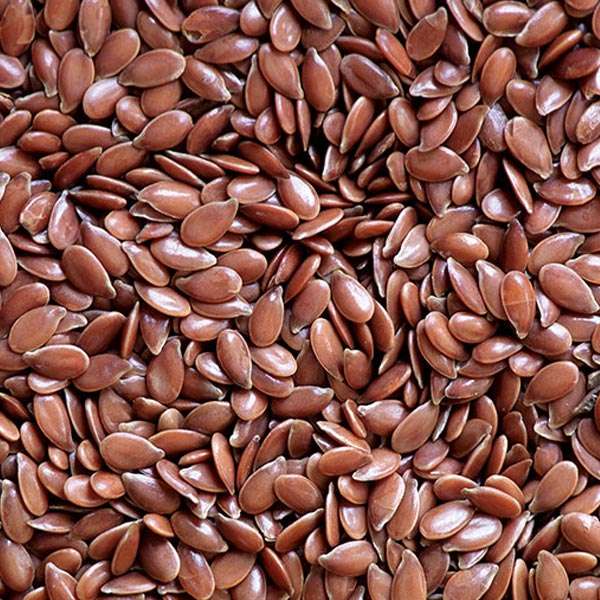
Linseed is a significant traditional crop in this region, valued for its dual-purpose nature—providing both oil and fiber. Unlike sunflower seeds, it’s not typically a leisure snack but a functional and nutritional product deeply integrated into local agriculture and cuisine.
Overview: A Traditional Oilseed and Fiber Crop
In Jammu and Kashmir, linseed (Linum usitatissimum) is primarily cultivated as a rabi crop (winter crop). It is highly regarded for:
Linseed Oil (Alsi ka Tel): A rich, edible oil used in cooking and traditional remedies.
Linseed Meal: The byproduct after oil extraction, used as a nutritious animal feed.
Fiber: Certain varieties are grown for their strong bast fibers, used to make linen cloth.
The crop is well-suited to the cooler climates of the region’s plains and foothills.
Key Characteristics of J&K Linseed
High Nutritional Value: Like all linseed, the J&K variety is an excellent source of:
Omega-3 Fatty Acids (ALA): Essential for heart and brain health.
Dietary Fiber: Both soluble and insoluble, aiding digestion.
Lignans: Powerful antioxidants.
Protein: A good plant-based protein source.
Distinct Flavor Profile: The seeds have a nutty, earthy taste. When roasted, this flavor becomes more pronounced. The oil is robust and distinct, not neutral like many refined oils.
Two Main Types:
Brown Linseed: The most common type cultivated in the region.
Golden Linseed: Less common, but also grown. It has a slightly milder flavor.
Cultivation in Jammu & Kashmir
Growing Regions: Cultivation is spread across the Jammu division (e.g., districts of Jammu, Kathua, Samba) and some lower-altitude areas of the Kashmir valley. It is often grown as a mixed crop or in rotation with wheat, mustard, or pulses.
Climate and Soil: It thrives in the cool, dry winter weather of the region and can grow well in a range of well-drained soils.
Economic Importance: For local farmers, linseed is a valuable cash crop. The oil commands a good price in local markets, and the entire plant is utilized, minimizing waste.
Primary Uses and Applications
Linseed from J&K is used in versatile ways:
1. Culinary Uses
Linseed Oil (Alsi ka Tel): This is the primary use. The cold-pressed oil is a staple in many local households. It’s used for:
Tempering dishes (tadka).
Drizzling over cooked vegetables, dal, or salads.
Making traditional pickles and chutneys.
Whole or Ground Seeds:
Roasted and powdered seeds are mixed into dough for making Alsi ki Roti (linseed flatbread), a highly nutritious traditional food.
Added to laddoos (energy balls) with jaggery and other nuts.
Sprinkled over yogurt, salads, or smoothies.
2. Industrial and Traditional Uses
Animal Feed: The oil-cake left after extraction is a protein-rich feed for livestock.
Paints and Varnishes: Due to its drying properties, linseed oil is a key ingredient in traditional wood finishes and oil paints.
Fiber (Tees): While less common now, some areas still process the stem fibers to make strong, durable threads and cloth.
3. Ayurvedic and Medicinal Uses
In local traditional medicine, linseed is highly valued for:
Improving Digestion: Soaked seeds are used to relieve constipation.
Joint Health: The anti-inflammatory properties are believed to help with arthritis.
Skin and Hair Health: The oil is applied topically to moisturize skin and strengthen hair.
How to Find and Use J&K Linseed
Form: You can find it as:
Whole Seeds (brown or golden)
Cold-Pressed Oil (look for “Kashmiri Alsi Ka Tel” or “Jammu Linseed Oil”)
Ground Meal (though it’s best to buy whole seeds and grind them fresh to preserve nutrients)
Where to Buy:
In India: Available in local markets (mandis) across North India, especially in Jammu and Kashmir. It’s also sold by organic and specialty food stores nationwide and on online grocery platforms (BigBasket, Amazon India, etc.).
Internationally: It is less common to find linseed specifically branded from J&K abroad. You are more likely to find generic linseed from Canada or other major producers. Look in Indian grocery stores for the oil, which may sometimes be imported.
Comparison with Other Regions
While Canada is the world’s largest producer of linseed, the produce from Jammu and Kashmir is often considered distinct and potent due to its specific terroir—the unique combination of soil, climate, and traditional farming practices. Consumers who seek out this origin often do so for its perceived purity and connection to traditional food systems.
Conclusion
Linseed from Jammu and Kashmir is not just a commodity; it’s a part of the region’s agricultural heritage and culinary identity. It is a powerhouse of nutrition used in everyday cooking, traditional remedies, and local industry. If you are looking for a high-quality, authentic source of linseed oil or seeds with a strong connection to traditional Indian farming and cuisine, seeking out products from this region is an excellent choice.
