
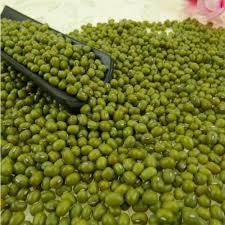
Here is a comprehensive overview of Moong (Mung Bean) from the Jammu and Kashmir region of India.
Moong is a significant and highly nutritious pulse crop in the region, valued for its short growing duration and role in sustainable farming. It is primarily cultivated in the Jammu division, as its climate is more suitable than the cooler Kashmir Valley.
Overview: A Versatile and Fast-Growing Pulse
In Jammu and Kashmir, Moong (Vigna radiata), known locally as “Moong” or “Mung,” is cultivated as both a Kharif (monsoon) and Zaid (summer) crop. Its key advantage is its short duration—it matures in just 60-90 days, allowing farmers to fit it into various crop rotations. It is celebrated both as a whole pulse and for its highly nutritious sprouts.
Key Characteristics of J&K Moong
Short Duration: This is its most defining agricultural trait. Moong can be grown and harvested quickly between two main crop seasons (e.g., after wheat harvest and before the next planting), making it an excellent “catch crop.”
Nutritional Powerhouse: Moong is a superb source of:
Easily Digestible Protein: Often recommended in convalescent diets.
Dietary Fiber: Aids in digestion.
Complex Carbohydrates: With a low glycemic index.
Essential Vitamins & Minerals: Such as folate, magnesium, and potassium.
Soil Health: As a legume, moong performs nitrogen fixation, enriching the soil with nitrogen and improving its fertility for the subsequent crop, reducing the need for chemical fertilizers.
Cultivation in Jammu & Kashmir
Growing Regions: Cultivation is almost exclusively concentrated in the warmer plains of the Jammu division. Key districts include Jammu, Samba, Kathua, and Rajouri.
Seasons:
Kharif Moong: Sown with the monsoon in June-July and harvested in September.
Zaid/Summer Moong: Sown in March-April and harvested before the monsoon in June. This is a popular choice after the harvest of Rabi crops like wheat and mustard.
Cultivation Practice: It is often grown as an intercrop with maize, sorghum, or cotton, or in pure stands as a short-duration crop.
Primary Uses and Culinary Significance
Moong from J&K is used in several versatile and health-focused ways.
1. Culinary Uses
As a Split Pulse (Moong Dal):
Yellow Moong Dal: The most common form, where the green skin has been removed and the bean is split. It is used to make a light, easy-to-digest dal that is a staple in homes, often flavored with turmeric, cumin, and ginger.
It is also the base for dishes like Khichdi (a comforting porridge of rice and lentils) and Dal Ka Halwa (a sweet dessert).
Whole Moong (Sabut Moong):
The whole green gram is used to make curries, soups, and salads.
It is a key ingredient in the Punjabi dish Moong Sabut di Dal.
Sprouts (Ankurait Moong):
Moong is the most commonly sprouted pulse in India. The sprouts are eaten raw in salads, added to stir-fries, or used in sandwiches for a massive boost of nutrition.
Flour (Moong Dal Flour):
Used to make savory pancakes (Cheela or Puda), fritters, and in binding other foods.
How to Find and Use J&K Moong
Form: You can find it as:
Whole Green Gram (Sabut Moong)
Split Yellow Lentils (Moong Dal – with skin removed)
Split Green Lentils (Moong Chilka – with skin on)
Flour (Moong Dal Ka Atta)
Fresh Sprouts
Where to Buy:
In Jammu & Kashmir: Easily available in local mandis and grocery stores within the Jammu division.
In other parts of India: Ubiquitous in all grocery stores and supermarkets across the country. It is a standard commodity and rarely branded by its state of origin.
Internationally: Available in all Indian, Asian, and health food stores worldwide.
Comparison with Other Pulses in J&K
Feature Moong (Mung Bean) Masoor (Lentil) Urad (Black Gram)
Season Kharif & Zaid (Summer) Rabi (Winter) Kharif (Monsoon)
Primary Use Light Dal, Sprouts, Flour Dal Dal, Fermented Foods
Key Trait Short Duration, Easy Digestion Fast Cooking Rich, Creamy Texture
Local Name Moong Masoor Maash (in Kashmiri)
Conclusion
Moong from Jammu and Kashmir is an agriculturally smart and nutritionally dense pulse. While it may not have the cultural fanfare of some other crops, its role is critical. It provides a quick source of income for farmers, enhances soil health, and offers a lightweight, protein-rich food for the local population. For anyone seeking a healthy, versatile, and easily digestible source of plant-based protein, Moong from this region is an excellent choice, embodying the practical and nutritious side of the region’s agriculture.
