
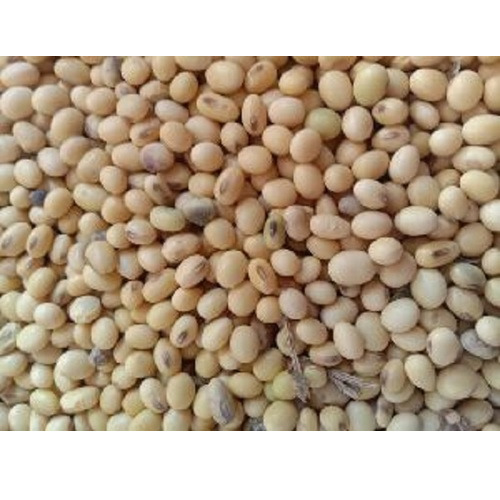
Here is a comprehensive overview of Soybean in the Union Territory of Jammu and Kashmir.
It’s important to note upfront that soybean is not a traditional or major crop in Jammu and Kashmir, especially when compared to its staple crops like apples, saffron, walnuts, or even other oilseeds like mustard and linseed.
However, there is a growing interest and some initiatives to introduce and promote it. Here’s all about its status, potential, and challenges in the region.
Overview: A Niche and Promotional Crop
Soybean (Glycine max) is a relatively new introduction to J&K’s agricultural landscape. Its cultivation is limited and experimental rather than widespread. The push for soybean is primarily driven by:
Crop Diversification: To reduce reliance on traditional crops and provide farmers with alternative income sources.
Nutritional Security: As a cheap source of high-quality plant protein and oil.
Soil Health: Like other legumes, soybean fixes atmospheric nitrogen, which can help improve soil fertility for subsequent crops.
Key Characteristics & Potential
Nutritional Powerhouse: If successfully cultivated, J&K soybeans would share the same profile as those grown elsewhere: rich in complete protein, healthy fats, fiber, and isoflavones.
Climatic Suitability (The Challenge): Soybean is a Kharif (monsoon) crop that requires warm temperatures and a specific photoperiod to flower. The Jammu division (plains of Jammu, Samba, Kathua) has a warmer climate that is more suitable for its growth than the cooler Kashmir Valley.
Dual-Purpose Use: The crop can be used for both:
Edible Oil: Soybean oil is a major cooking oil in India.
Soybean Meal: The protein-rich byproduct after oil extraction is a critical ingredient for animal/poultry feed.
Cultivation Status in Jammu & Kashmir
Growing Regions: Any existing or experimental cultivation is almost exclusively confined to the warmer plains of the Jammu division. The Kashmir Valley’s climate is largely unsuitable for commercial soybean production.
Scale: The cultivation is negligible on an all-India scale. J&K does not feature among India’s major soybean-producing states (Madhya Pradesh, Maharashtra, and Rajasthan dominate).
Government and Research Initiatives:
The Sher-e-Kashmir University of Agricultural Sciences and Technology (SKUAST-Jammu) and the J&K Department of Agriculture have conducted trials and demonstrations to assess the performance of different soybean varieties in the Jammu region.
The goal is to identify short-duration, high-yielding varieties that can fit into the existing cropping patterns of the region.
Primary Uses and Potential Applications
If cultivation were to be scaled up, the uses would align with national trends:
Poultry and Animal Feed: This would be the largest potential market. The rising poultry industry in North India creates a consistent demand for soybean meal.
Cooking Oil: Soybean oil is widely consumed across India.
Direct Human Consumption: As soya nuggets (badam), tofu, tempeh, and soymilk, especially in vegetarian diets as a protein source.
Soil Improvement: As a part of crop rotation, it can enhance soil nitrogen levels, benefiting the next crop like wheat.
Challenges and Constraints
The limited adoption of soybean in J&K is due to several key factors:
Unsuitable Climate in Kashmir Valley: The valley’s cool temperatures and short growing season are not ideal for a warm-season crop like soybean.
Strong Competition from Traditional Crops: In the Jammu plains, farmers have well-established and profitable alternatives like maize, rice, and mustard. Convincing them to switch to an unproven (for them) crop is difficult.
Lack of Market Linkages: For soybean to be successful, a robust supply chain is needed, including procurement, processing units (oil mills), and a ready market for the meal. This infrastructure is currently absent in J&K.
Farmers’ Unfamiliarity: Farmers are experienced in growing traditional crops but lack knowledge about soybean cultivation practices, pest management, and its economic viability.
Comparison with Other Oilseeds in J&K
Feature Soybean Mustard Linseed (Alsi) Groundnut (Moongphali)
Status in J&K Niche, Experimental Traditional, Major Traditional, Significant Traditional, Localized (Jammu)
Primary Use Oil & Protein Meal Oil & Spice Oil & Fiber Direct Consumption & Oil
Growing Season Kharif (Jammu) Rabi Rabi Kharif (Jammu)
Climatic Suitability Warm Jammu Plains Cooler J&K climates Cooler J&K climates Warm Jammu Plains
Conclusion
Soybean in Jammu and Kashmir is a crop with potential rather than a current reality. It represents the agricultural sector’s attempts to diversify and adapt. While it faces significant challenges, particularly due to climate constraints in the Kashmir Valley, it holds promise as a future crop for the Jammu plains if supported by successful varietal trials, strong government policies, and the development of a local market ecosystem.
For now, if you are looking for soybeans from J&K, they are exceptionally rare to find in the market. The region’s agricultural identity remains firmly rooted in its world-renowned apples, saffron, walnuts, and its traditional oilseeds like mustard and linseed.
